Ideas

Explore firsthand accounts of research and questions posed by IAS scientists and scholars. From art history to string theory, from moral anthropology to the long-term fate of the universe, contributions span the last decade to the research of today.

The Institute for Advanced Study came into being at the most inauspicious of times. Founded in the early years of the Great Depression, it took shape during the buildup to the Second World War and under the growing shadow of authoritarian regimes. Its first Director Abraham Flexner published his manifesto on the “The Usefulness of Useless Knowledge” in October 1939, barely a month after the outbreak of hostilities in Europe. Surely this was a daunting moment to defend “the fearless and irresponsible thinker” and advocate for the free expression of knowledge and curiosity. 

For my husband, Ernest A. Michael 1925–2013


and we bopped to a sync of dry leaves’ kick and crackle
with the Skip-To-My-Lou of daughter Hillary hailing
Princeton’s pre-school bus that mustered those fledgling

flocks set to soar and sing like the...

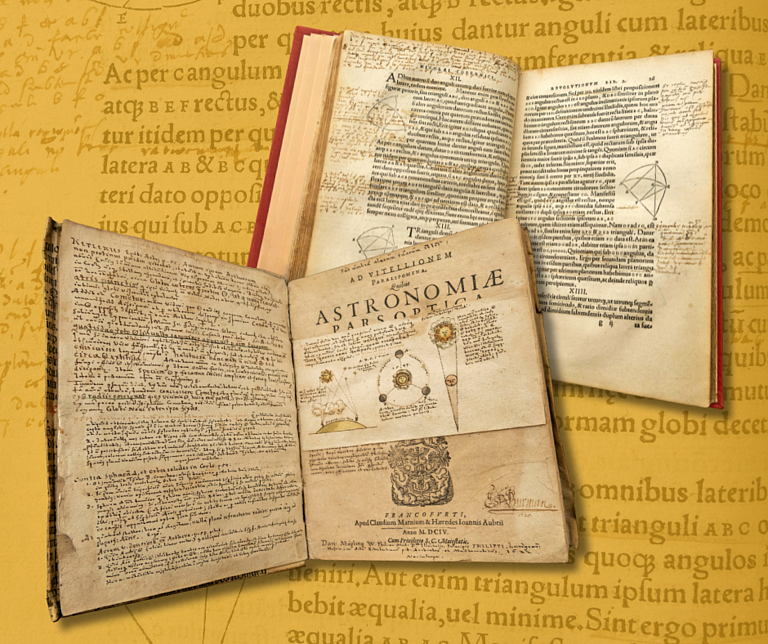
In 1930, the Institute was created as an academic retreat for the pursuit of daring research, unfettered by material constraints. From the beginning, political turmoil around the world interfered with this dream. This exhibit traces key moments in this history, focusing on questions of displacement and academic freedom in Europe, the United States, and Latin America from the 1930s to the 1970s. 

Can AI Teach Science?

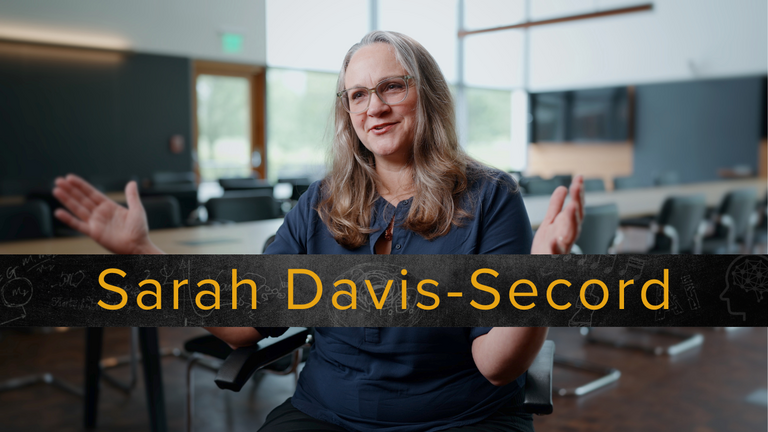
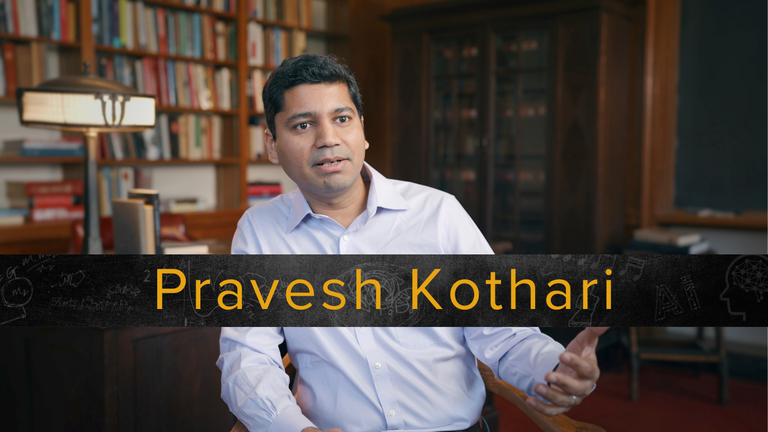
Motivated by the growing interest in using artificial intelligence for teaching purposes, IAS scholars from the Schools of Mathematics and Natural Sciences have conducted an innovative study to assess the correctness and helpfulness of large language models in STEM education. Their research yielded surprising results, including highlighting the importance of training models on conversations rather than textbooks.

Organization, Communication, and Decision

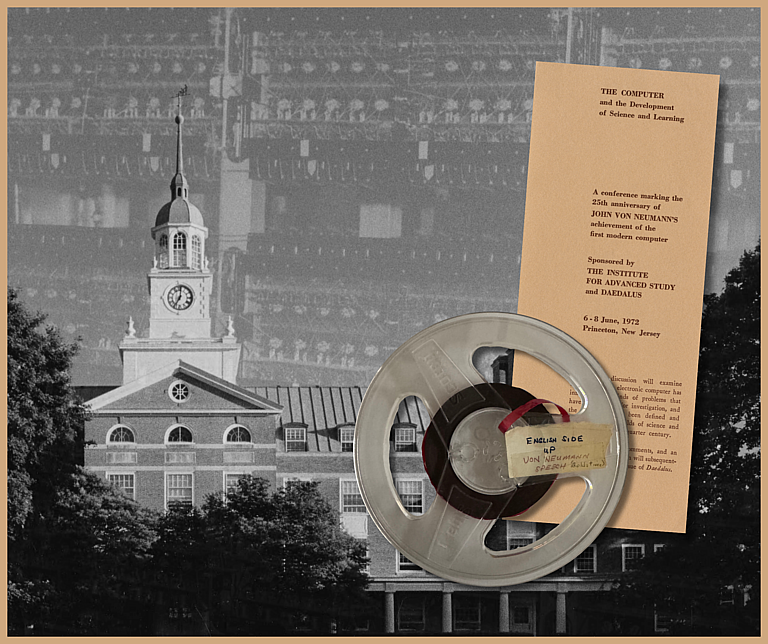
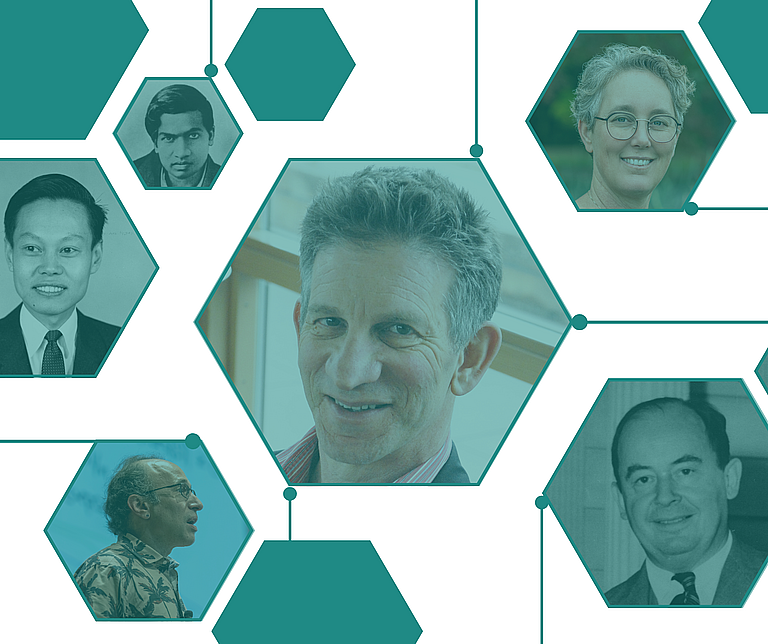
In the cognitive revolution, psychologists, recognizing that developments in information processing had potential for studying the human mind, sought for the first time to apply new ideas in early artificial intelligence, computer science, and neuroscience to psychology. The Institute, as the home of one of the first modern computers, was uniquely poised to serve as a hub for this nascent field of study.