Ideas

Explore firsthand accounts of research and questions posed by IAS scientists and scholars. From art history to string theory, from moral anthropology to the long-term fate of the universe, contributions span the last decade to the research of today.
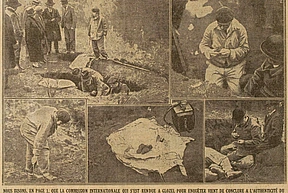
From state-sponsored excavations in Tunisia to debates over Neolithic discoveries in central France, early archaeology was defined by a tension between scientific rigor and public spectacle. Sensations: French Archaeology between Science and Spectacle, 1890–1940, a book by Daniel J. Sherman, Member (1993–94; 2016) in the School of Historical Studies, unearths the long-running historical controversies that forged the discipline as we understand it today.

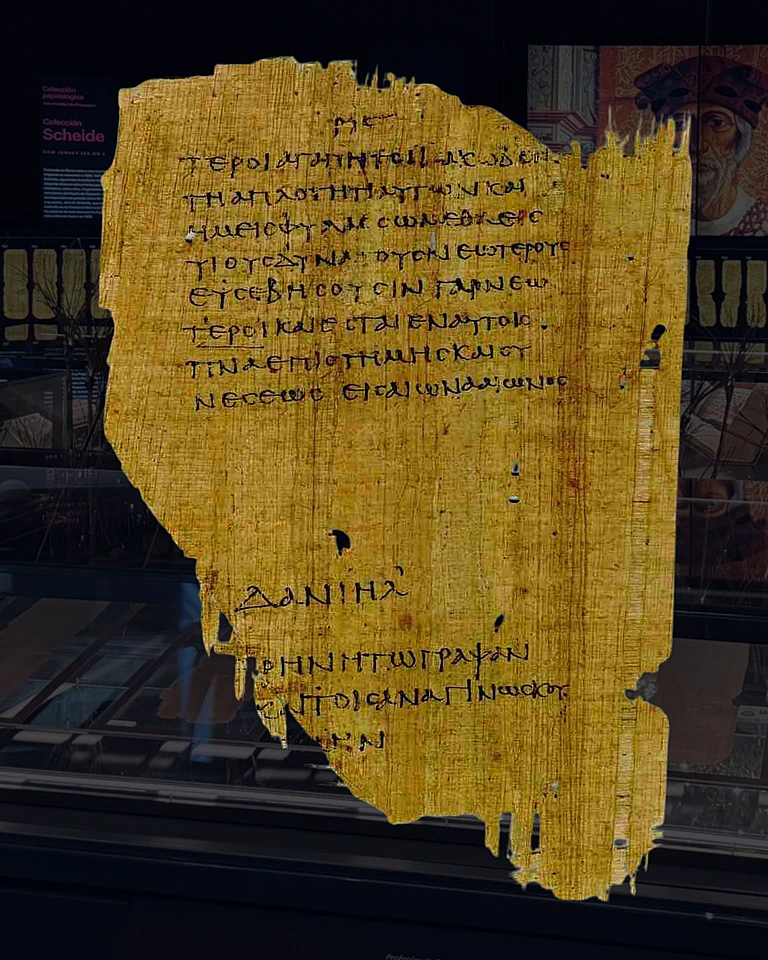
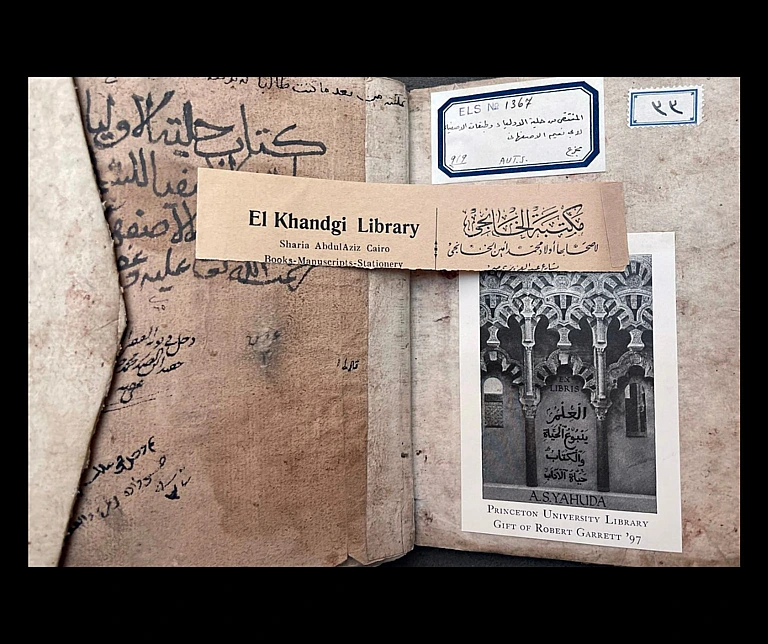
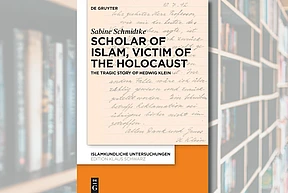
Sabine Schmidtke, Professor in the School of Historical Studies, and SherAli K. Tareen, Patricia Crone Member (2024–25) in the School, discuss Schmidtke's latest book, which narrates the powerful and tragic story of Hedwig Klein, an exceptionally talented German Jewish scholar of Islam who was killed during the Holocaust at the age of thirty-one. 

Anne-Renée Rice-Soumeillant, Assistant Sous Chef at the Institute for Advanced Study, explains how cooking at IAS differs from restaurant routine: menus shift daily with what’s seasonal, colorful, and on hand. She also recalls a standout dish—a beet and mushroom Wellington—that let the vegetarian station shine.

Mitch Swirsky, Master Electrician at the Institute for Advanced Study, shares what it means to be an electrician on campus. From the iconic Fuld Hall clock tower to Marquand House, he reflects on maintaining what was built to last—and dedicating his trade to IAS.

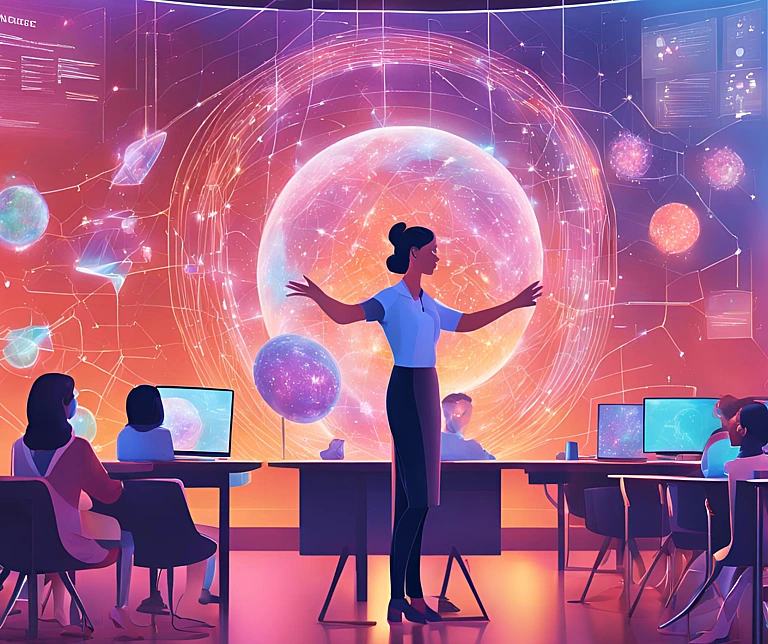
Can AI Teach Science?

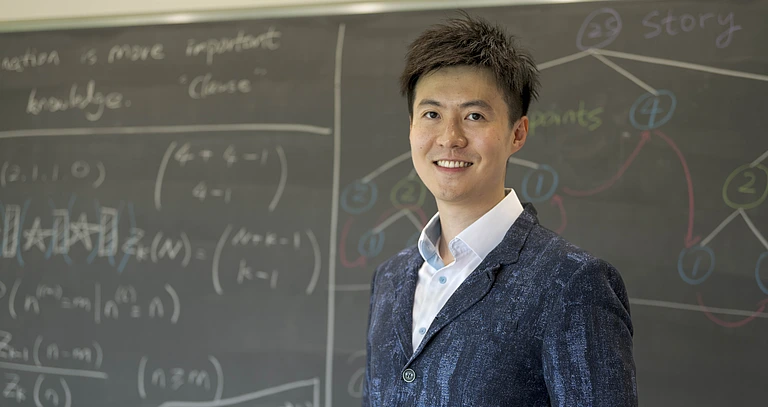
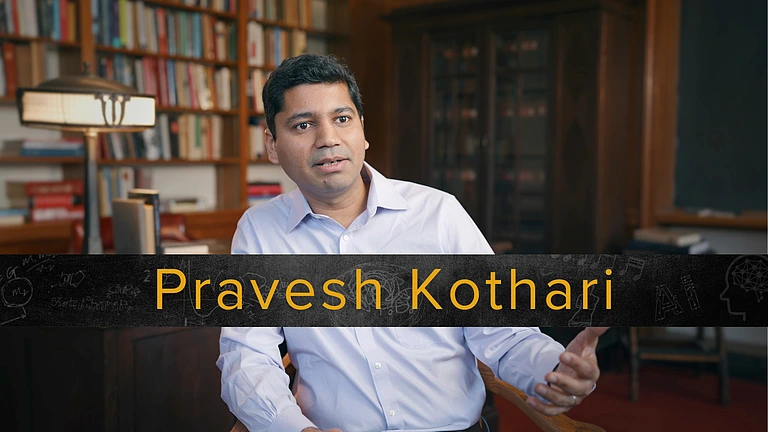
Motivated by the growing interest in using artificial intelligence for teaching purposes, IAS scholars from the Schools of Mathematics and Natural Sciences have conducted an innovative study to assess the correctness and helpfulness of large language models in STEM education. Their research yielded surprising results, including highlighting the importance of training models on conversations rather than textbooks.

Organization, Communication, and Decision

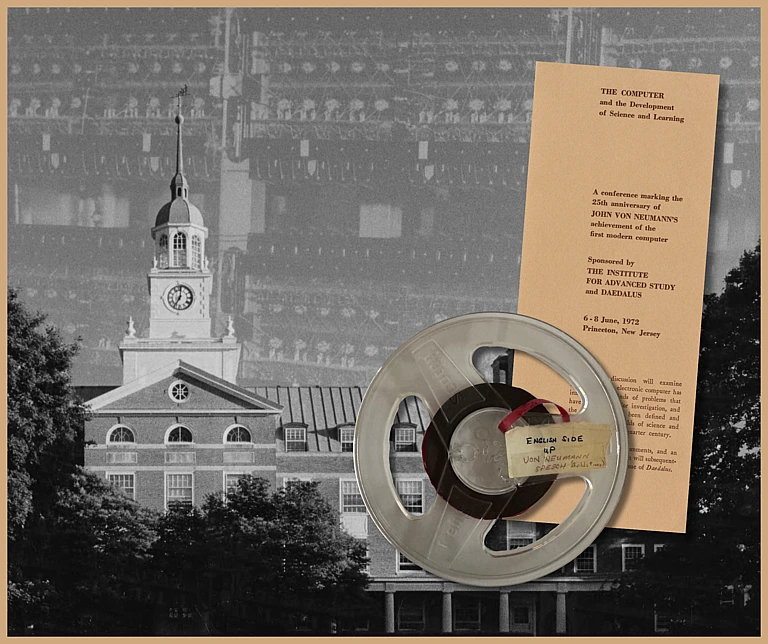
In the cognitive revolution, psychologists, recognizing that developments in information processing had potential for studying the human mind, sought for the first time to apply new ideas in early artificial intelligence, computer science, and neuroscience to psychology. The Institute, as the home of one of the first modern computers, was uniquely poised to serve as a hub for this nascent field of study.