Ideas

Explore firsthand accounts of research and questions posed by IAS scientists and scholars. From art history to string theory, from moral anthropology to the long-term fate of the universe, contributions span the last decade to the research of today.

"If Oppenheimer’s first act was dedicated to building a technology (the "Gadget"), his second was devoted to an institution." IAS Director and Leon Levy Professor David Nirenberg discusses Oppenheimer's lasting legacy at the Institute for Advanced Study and his predecessor's exemplification of the institution's founding values.

At a moment when movies are at the forefront of everyone’s minds, the Institute for Advanced Study is delighted to present a 90-second film of its own: a new anthem video showcasing IAS and its mission of enabling foundational discovery. 

After the COVID-19 pandemic saw public health erupt into the world’s consciousness, Didier Fassin, James D. Wolfensohn Professor in the School of Social Science, gave a series of lectures at the Collège de France in Paris proposing a new analysis of the moral and political issues at stake in the practice of public health. The lectures have been published by Polity Press in a book titled The Worlds of Public Health: Anthropological Excursions.

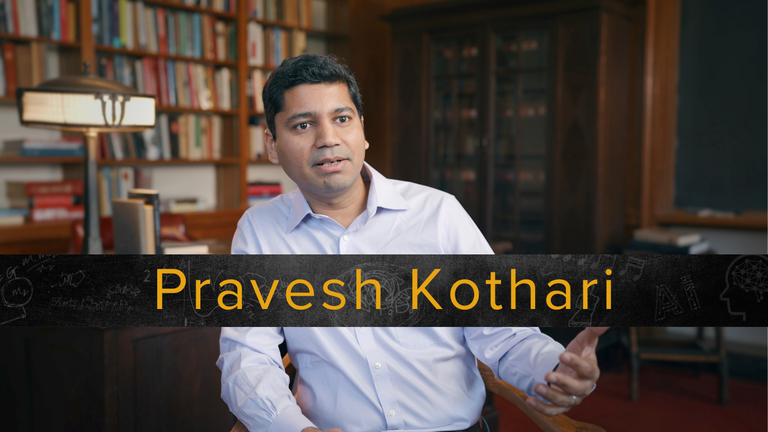
Can AI Teach Science?

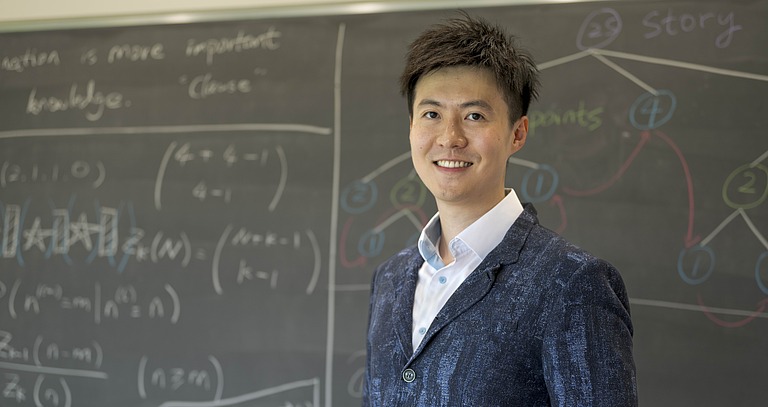
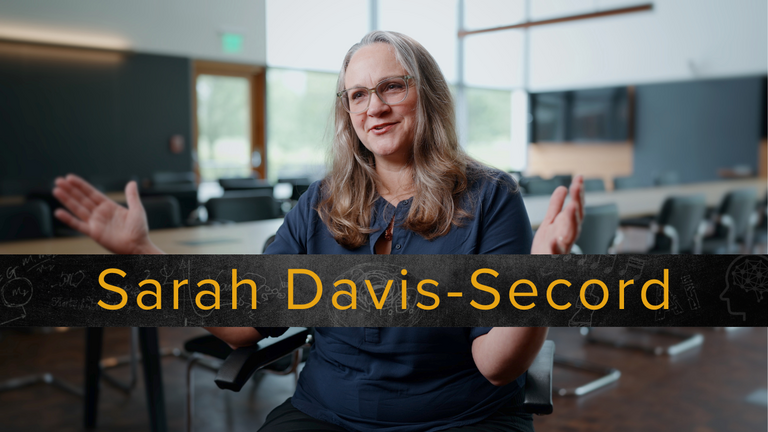
Motivated by the growing interest in using artificial intelligence for teaching purposes, IAS scholars from the Schools of Mathematics and Natural Sciences have conducted an innovative study to assess the correctness and helpfulness of large language models in STEM education. Their research yielded surprising results, including highlighting the importance of training models on conversations rather than textbooks.

Organization, Communication, and Decision

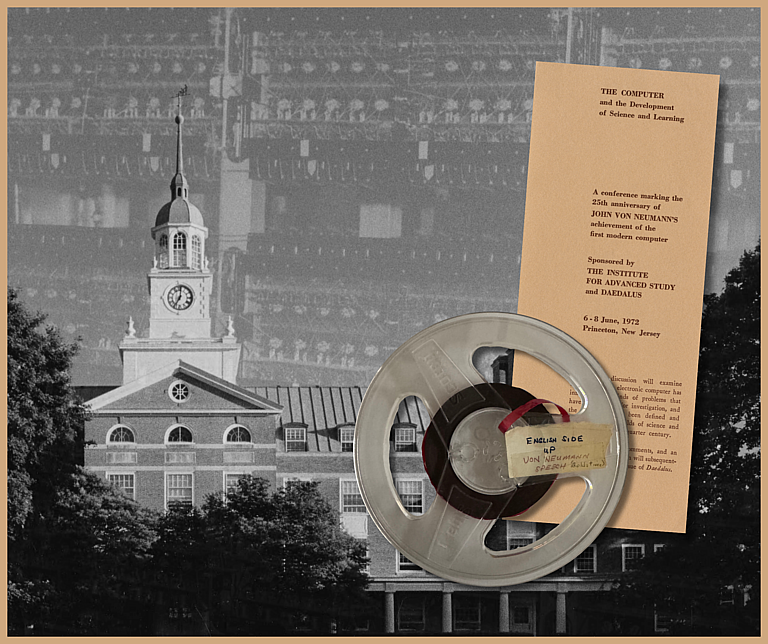
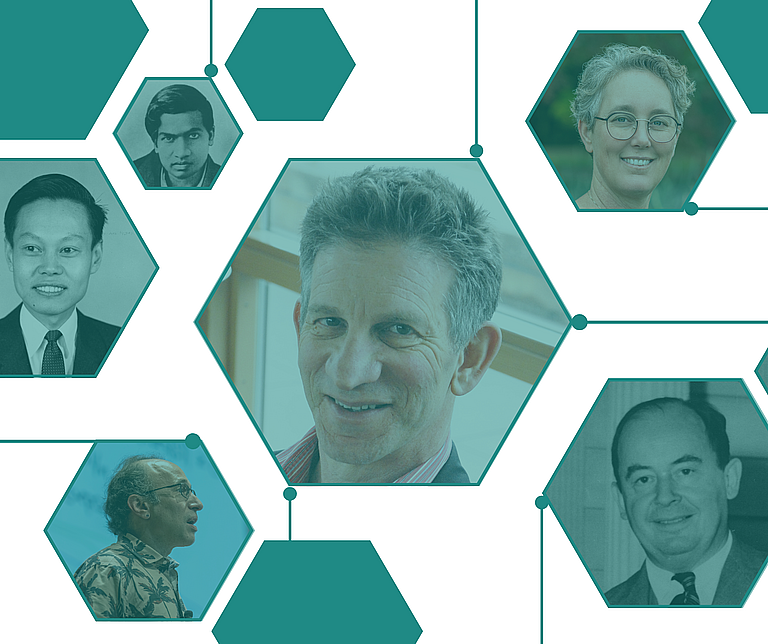
In the cognitive revolution, psychologists, recognizing that developments in information processing had potential for studying the human mind, sought for the first time to apply new ideas in early artificial intelligence, computer science, and neuroscience to psychology. The Institute, as the home of one of the first modern computers, was uniquely poised to serve as a hub for this nascent field of study.