Ideas

Explore firsthand accounts of research and questions posed by IAS scientists and scholars. From art history to string theory, from moral anthropology to the long-term fate of the universe, contributions span the last decade to the research of today.

In welcome remarks delivered to the 2025–26 class of IAS scholars, Director and Leon Levy Professor David Nirenberg reflected on the Institute’s role as "a special place" dedicated to discovery. He emphasized how the Institute's history, culture of solitude and community, and spirit of dialogue create an environment where scholars can push the boundaries of knowledge.

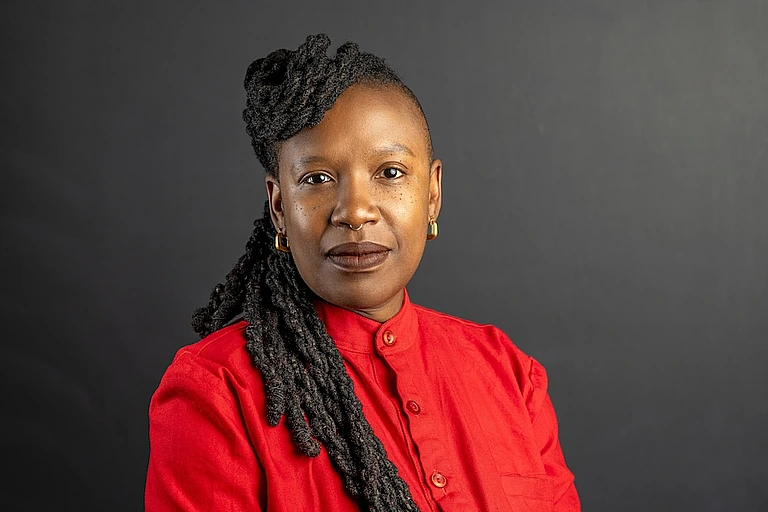
Nadine Soliman, NASA Hubble Fellow in the School of Natural Sciences, studies star and planet formation. At IAS, she’ll examine and simulate processes such as the collapse of molecular clouds, the birth of stellar clusters, and the formation of protoplanetary disks—all as case studies for larger questions about the interplay between microphysical processes and large-scale astrophysical structures.

Corey Robin, Member in the School of Social Science, is a political theorist and journalist whose scholarship addresses a range of topics across modern economic and political thought, from the role of fear in the Western imagination to the black nationalist roots of Justice Clarence Thomas’s jurisprudence. He has published landmark work on the history of conservatism, including The Reactionary Mind: Conservatism from Edmund Burke to Donald Trump

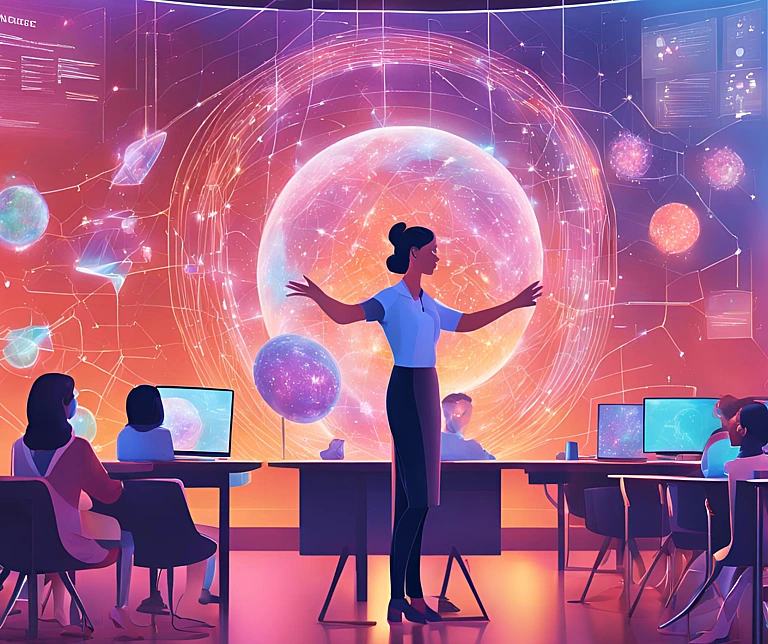
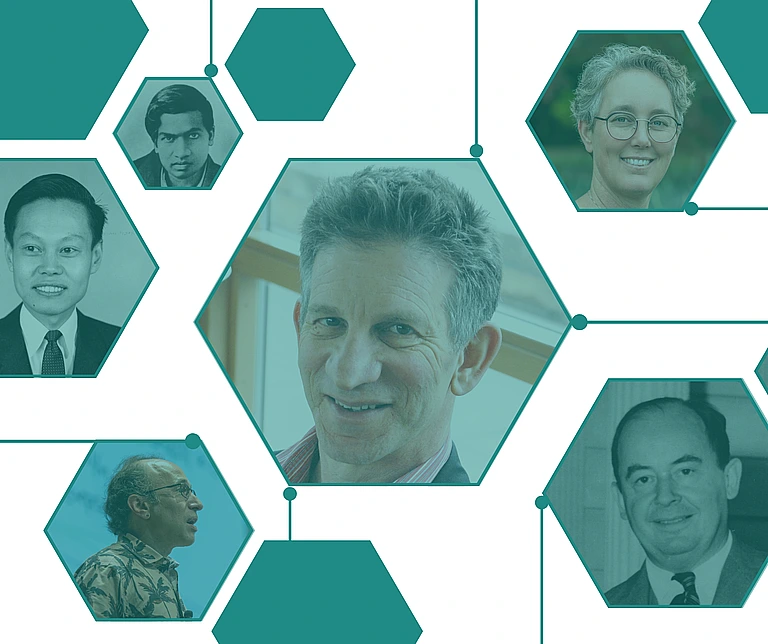
Can AI Teach Science?

Motivated by the growing interest in using artificial intelligence for teaching purposes, IAS scholars from the Schools of Mathematics and Natural Sciences have conducted an innovative study to assess the correctness and helpfulness of large language models in STEM education. Their research yielded surprising results, including highlighting the importance of training models on conversations rather than textbooks.

Organization, Communication, and Decision

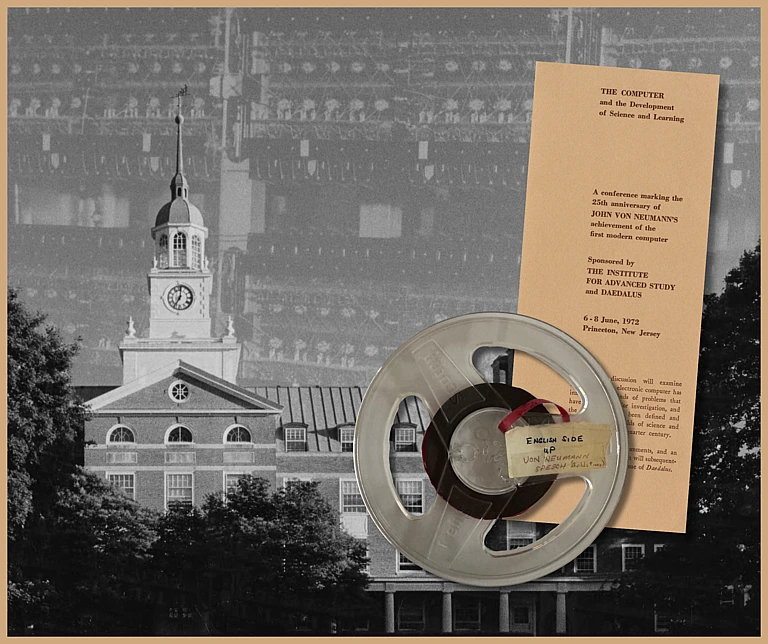
In the cognitive revolution, psychologists, recognizing that developments in information processing had potential for studying the human mind, sought for the first time to apply new ideas in early artificial intelligence, computer science, and neuroscience to psychology. The Institute, as the home of one of the first modern computers, was uniquely poised to serve as a hub for this nascent field of study.