Ideas

Explore firsthand accounts of research and questions posed by IAS scientists and scholars. From art history to string theory, from moral anthropology to the long-term fate of the universe, contributions span the last decade to the research of today.

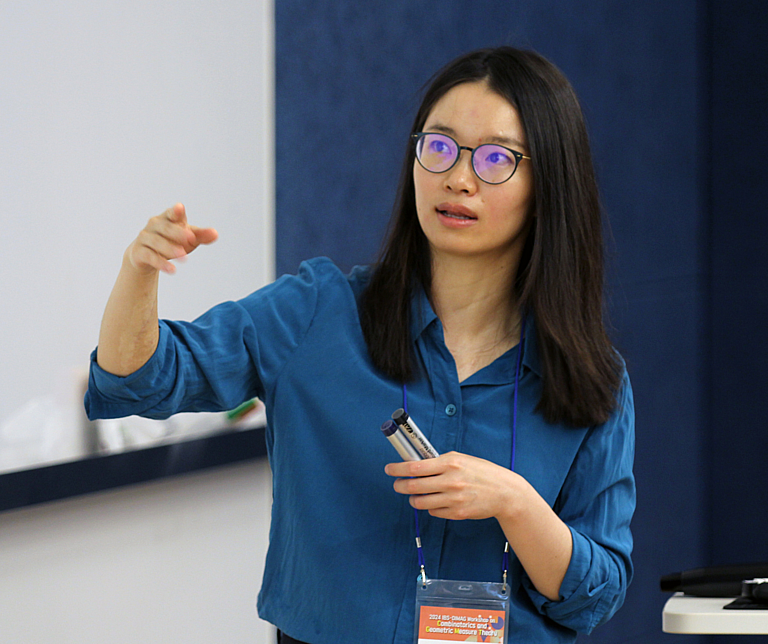
Sergey Cherkis, a Member in the School of Mathematics (2020–21), is currently trying to understand instantons. Unlike particles in classical mechanics, quantum particles can tunnel through barriers by traveling in imaginary time. By combining his knowledge of mathematics and physics, Sergey is working to understand this peculiar behavior. Learn more about Sergey’s path, which begins with an early interest in mathematics and physics, and hear how mathematics itself became a tool for overcoming challenges on his academic journey.

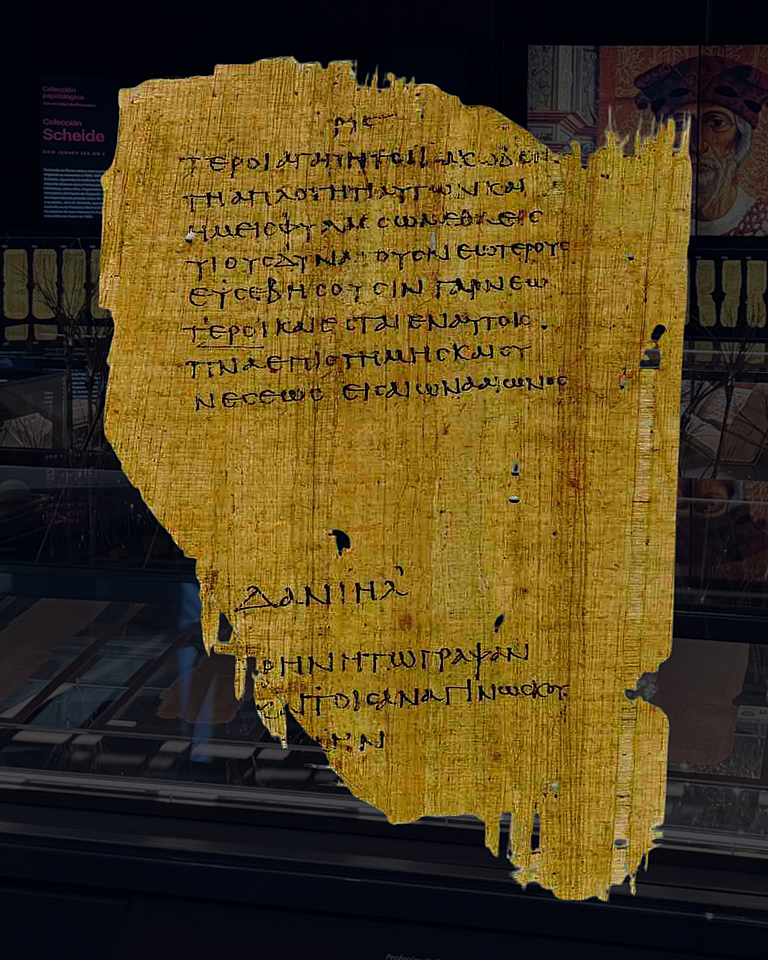
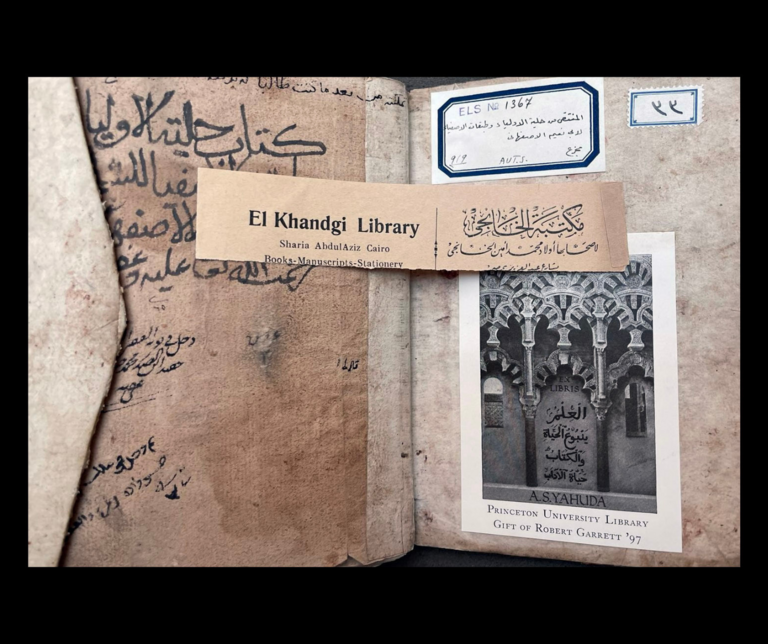
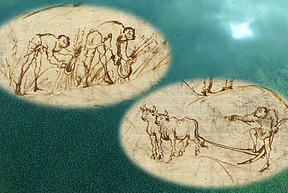
Alison Locke Perchuk, past Member in the School of Historical Studies (2018-19), has authored the first interdisciplinary account of the Monastery of St. Elijah, built circa 1122-26 near Rome. It includes archaeological and historical readings of the monastery’s architecture, frescoes, and sculpture, with an eye toward epigraphy, liturgy, theology, memory, and landscape.

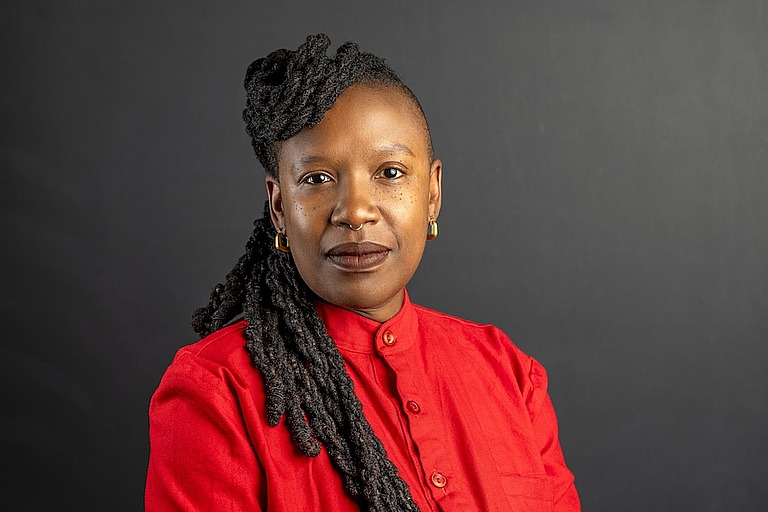
Terrence Blackman, Visitor in the School of Mathematics (2020–21), is a number theorist, who considers the question: “can one hear the shape of a drum?” Using the tools of spectral geometry, Terrence considers such questions as part of his research, which traces its roots back to Queen’s College in Guyana. Learn more about Terrence’s path, from his early interest in writing to a realization of the aesthetic and cultural significance of mathematics.

“I think an unaccompanied scholar, particularly a male, probably has the best of all possible worlds at the Institute.” 
—Social Science Member in the 1970s, male, age 50 at the moment of the questionnaire in 1976

Founded in 1930, the Institute for...

Can AI Teach Science?

Motivated by the growing interest in using artificial intelligence for teaching purposes, IAS scholars from the Schools of Mathematics and Natural Sciences have conducted an innovative study to assess the correctness and helpfulness of large language models in STEM education. Their research yielded surprising results, including highlighting the importance of training models on conversations rather than textbooks.

Organization, Communication, and Decision

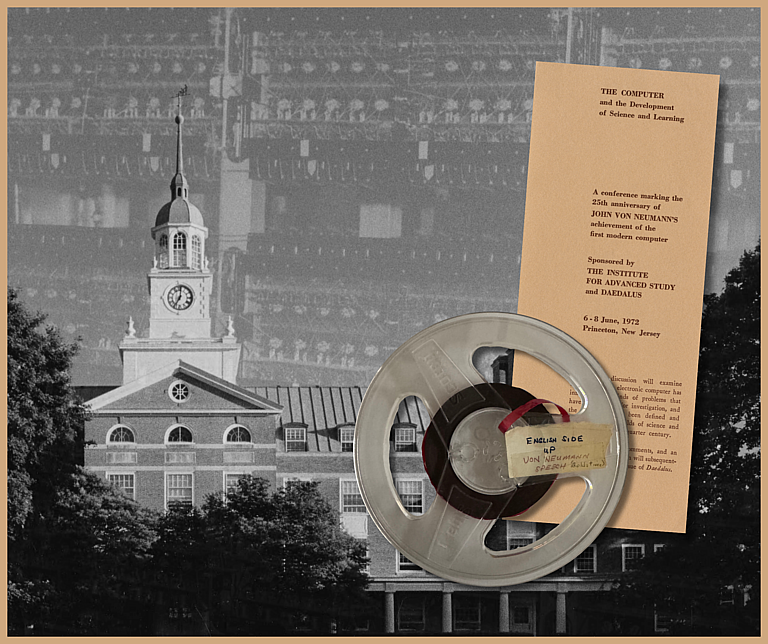
In the cognitive revolution, psychologists, recognizing that developments in information processing had potential for studying the human mind, sought for the first time to apply new ideas in early artificial intelligence, computer science, and neuroscience to psychology. The Institute, as the home of one of the first modern computers, was uniquely poised to serve as a hub for this nascent field of study.