Ideas

Explore firsthand accounts of research and questions posed by IAS scientists and scholars. From art history to string theory, from moral anthropology to the long-term fate of the universe, contributions span the last decade to the research of today.
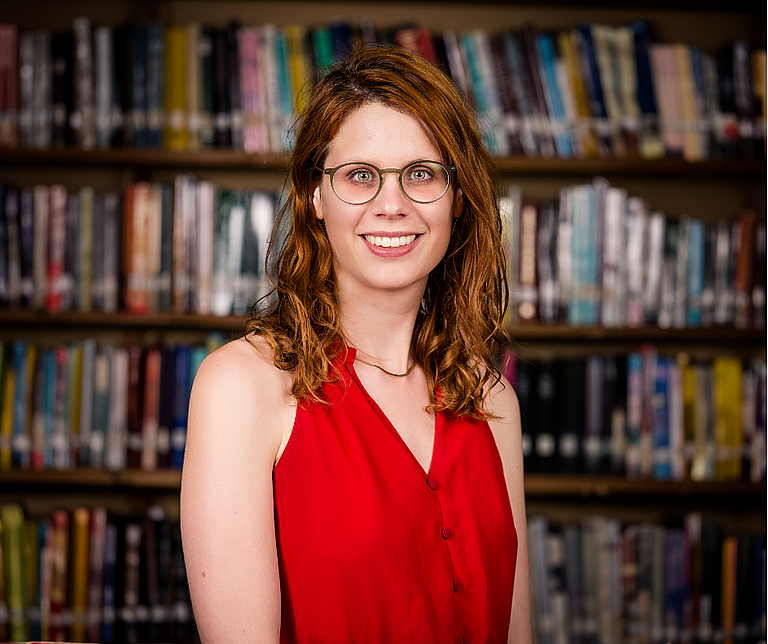
When Karen Uhlenbeck was a MacArthur fellow, between 1983–88, she went on a series of incredible adventures visiting other MacArthur fellows and learning about their projects. “This was actually one of the high points of my life,” Uhlenbeck said to me, laughing. She recalls whale watching in Hawaii with Roger Payne, a trip to the Amazon to see Philip DeVries’s work with butterflies, studying lemurs in Madagascar with Pat Wright, and a Montana dinosaur dig with Jack Horner.

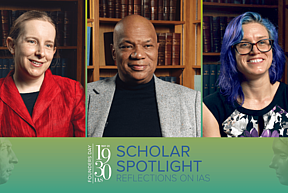
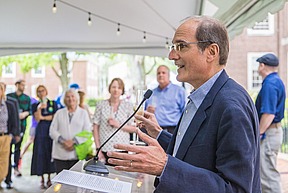
On May 20, 2022, IAS celebrated Founders Day in recognition of Louis Bamberger and Caroline Bamberger Fuld, the brother and sister who founded and endowed IAS on May 20, 1930, providing for its lasting and essential independence.

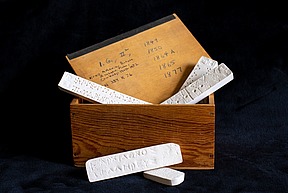
Pinakia, here shown as casts made of Plaster of Paris, were small bronze plates used in ancient Athens for the process of democratically selecting a group of citizens to serve on a jury. Athenian citizens would nominate themselves for jury duty, volunteering their bronze plates to be inserted into a kleroterion (a machine with rows of slots and a built-in lottery system).

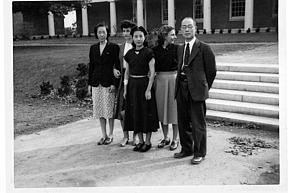
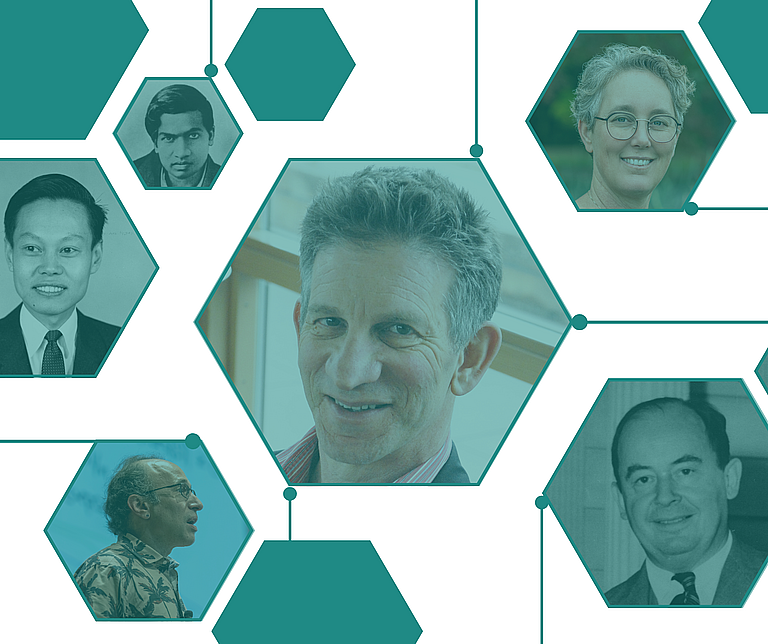
"The Shelby White and Leon Levy Archives Center engages in critical work to sustain and highlight the unique histories that distinguish the Institute for Advanced Study. With this work in mind, the Archives Center would like to shine a spotlight on former Member in the School of Mathematics Hideki Yukawa (1907–1981)."

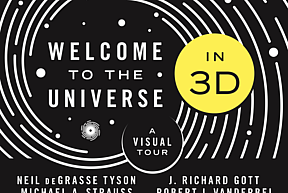
Past Members in the School of Natural SciencesRobert J. Vanderbei (2019–20) and Michael A. Strauss (1991–95), along with Neil deGrasse Tyson and J. Richard Gott, have authored a unique journey into the cosmos titled Welcome to the Universe in 3D: A Visual Tour, the fourth in a series of astrophysical tours for Princeton University Press

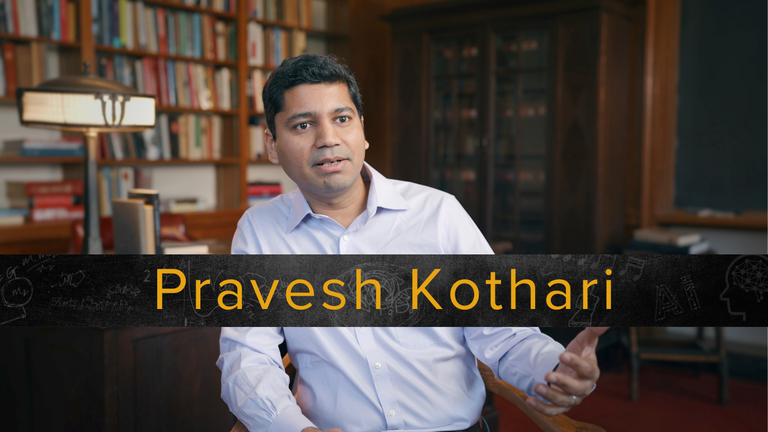
Can AI Teach Science?

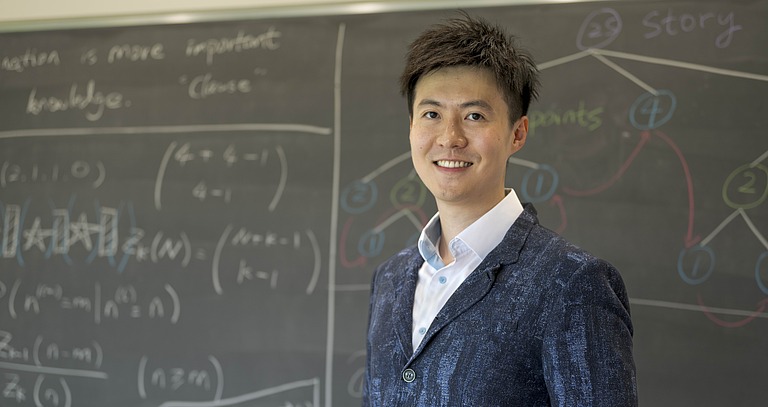
Motivated by the growing interest in using artificial intelligence for teaching purposes, IAS scholars from the Schools of Mathematics and Natural Sciences have conducted an innovative study to assess the correctness and helpfulness of large language models in STEM education. Their research yielded surprising results, including highlighting the importance of training models on conversations rather than textbooks.

Organization, Communication, and Decision

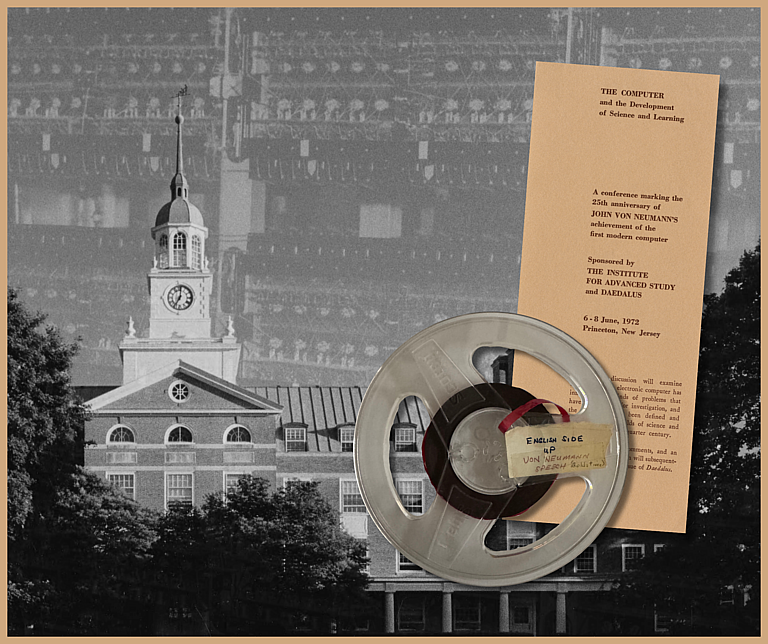
In the cognitive revolution, psychologists, recognizing that developments in information processing had potential for studying the human mind, sought for the first time to apply new ideas in early artificial intelligence, computer science, and neuroscience to psychology. The Institute, as the home of one of the first modern computers, was uniquely poised to serve as a hub for this nascent field of study.