Ideas

Explore firsthand accounts of research and questions posed by IAS scientists and scholars. From art history to string theory, from moral anthropology to the long-term fate of the universe, contributions span the last decade to the research of today.

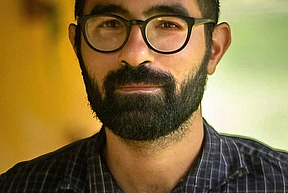
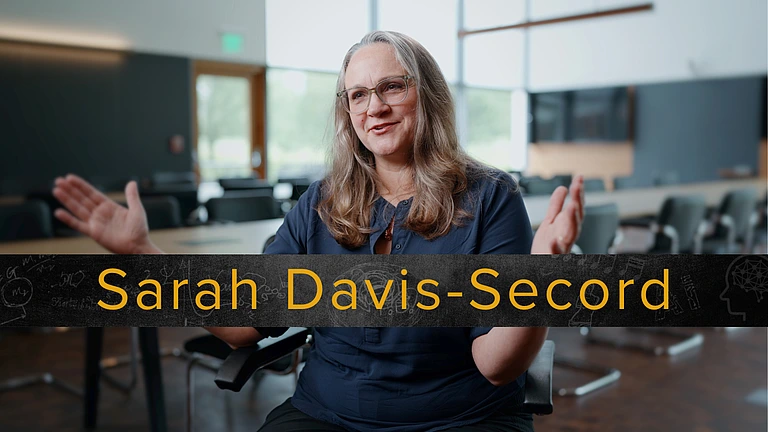
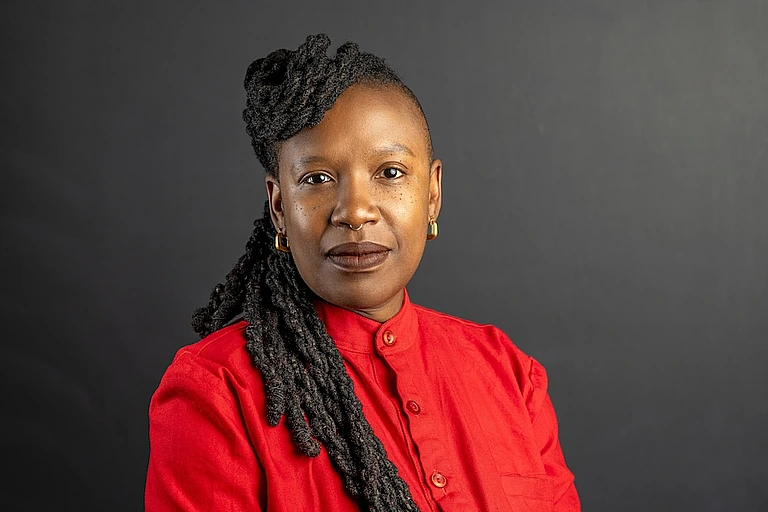
Meet 2022–23 Roger W. Ferguson, Jr., and Annette L. Nazareth Member in the School of Social Science, K-Sue Park. Her research examines the development of American property law and the creation of the American real estate market through the histories of colonization and enslavement. 

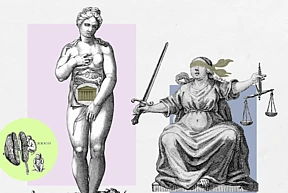
During the heyday of the social movements of the 1960s, Martin Luther King’s citation of the abolitionist Theodore Parker’s—“the arc of the universe is long, but it bends towards justice”—served as an inspirational and aspirational text. Even as events called into question that belief in the inevitability of progress, some things did seem to be permanent advancements.

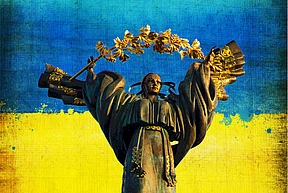
Russia’s unprovoked invasion of Ukraine is a humanitarian crisis of epic proportions. It has created a refugee crisis, the scale of which has not been seen since World War II in Europe. The toll of civilian casualties is in the thousands, with countless others missing, injured, trapped, or lacking in essential medicines, food, and water.

Can AI Teach Science?

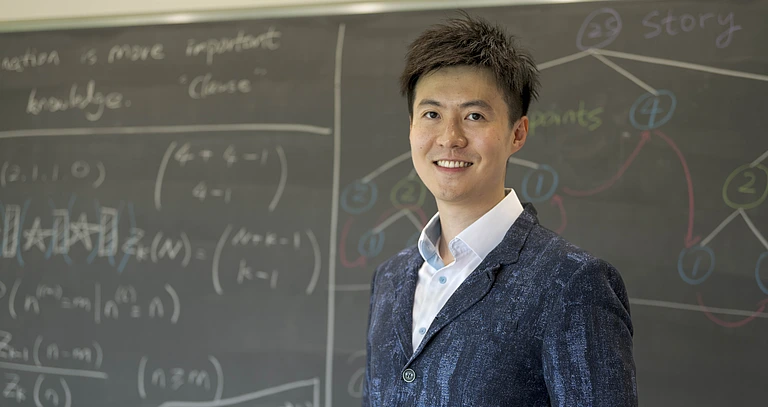
Motivated by the growing interest in using artificial intelligence for teaching purposes, IAS scholars from the Schools of Mathematics and Natural Sciences have conducted an innovative study to assess the correctness and helpfulness of large language models in STEM education. Their research yielded surprising results, including highlighting the importance of training models on conversations rather than textbooks.

Organization, Communication, and Decision

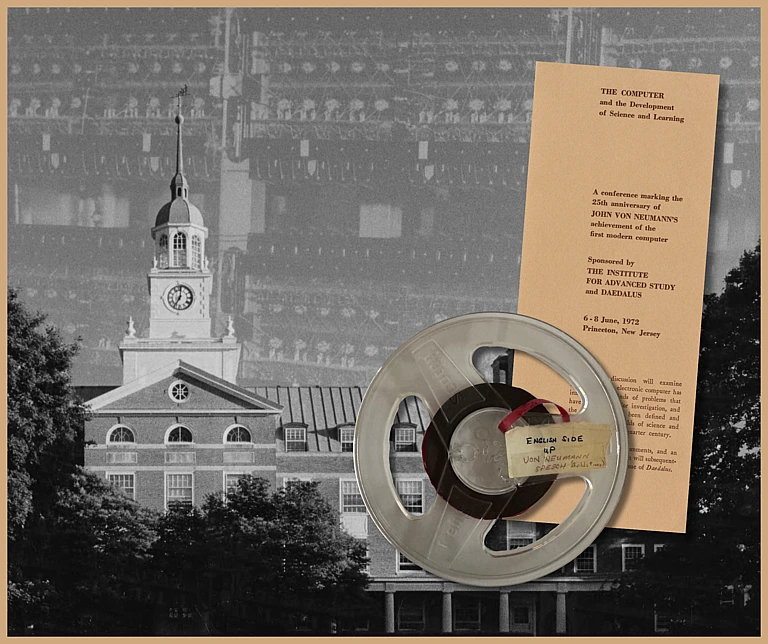
In the cognitive revolution, psychologists, recognizing that developments in information processing had potential for studying the human mind, sought for the first time to apply new ideas in early artificial intelligence, computer science, and neuroscience to psychology. The Institute, as the home of one of the first modern computers, was uniquely poised to serve as a hub for this nascent field of study.