Ideas

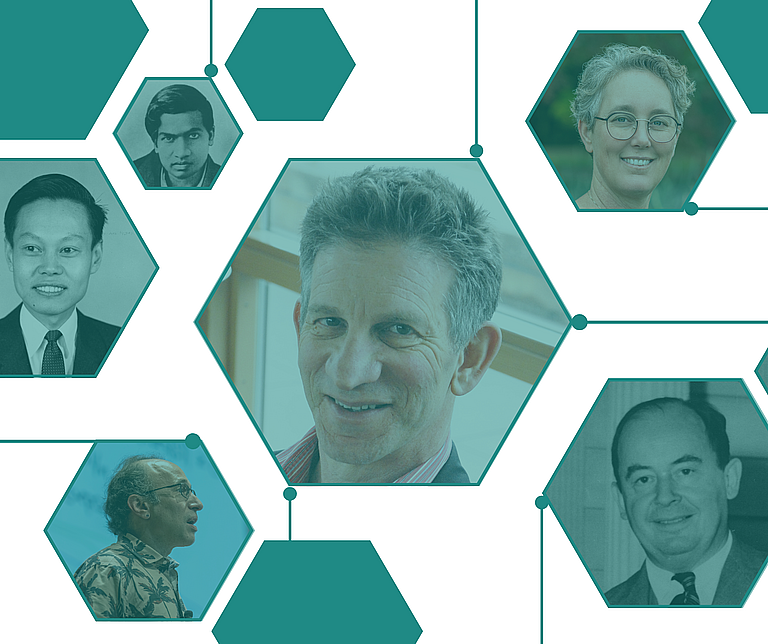
Explore firsthand accounts of research and questions posed by IAS scientists and scholars. From art history to string theory, from moral anthropology to the long-term fate of the universe, contributions span the last decade to the research of today.
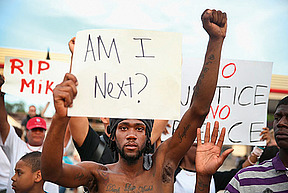
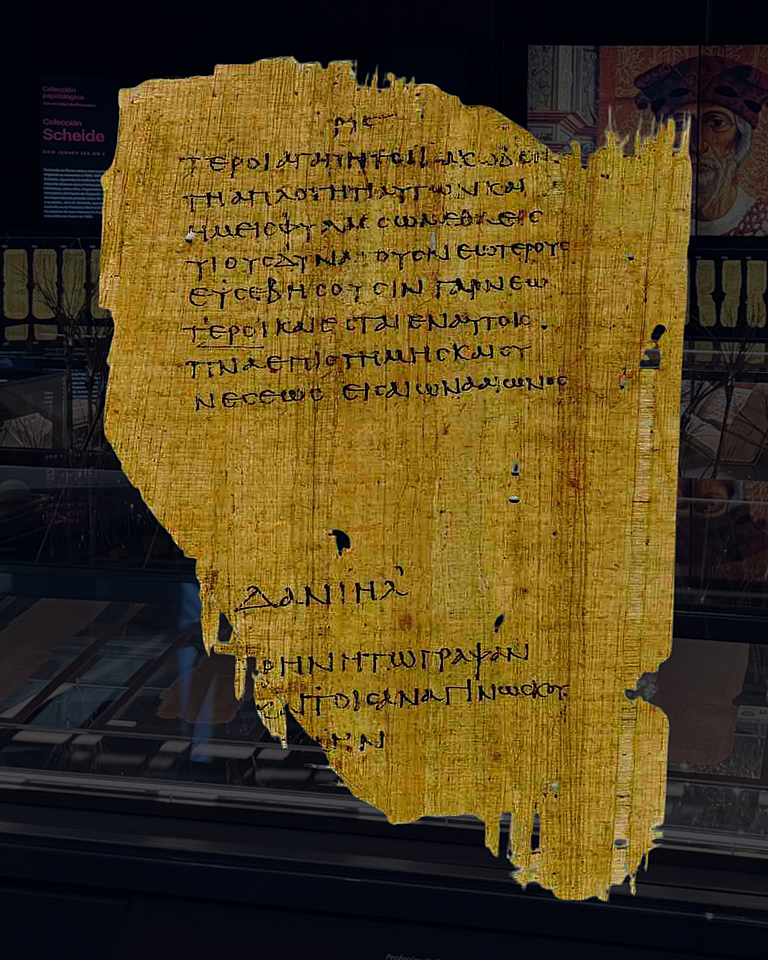
In his 1951 poem “Harlem,” Langston Hughes, writer and social activist, famously questioned the outcome of a “dream deferred.” Does such a dream dry up, fester, stink, crust and sugar over, or sag like a heavy load, he pondered. Then, foreshadowing the hundreds of race riots that would take place in the 1960s and 1970s, he ends his poem with an emphatic query: Or does it explode?


--


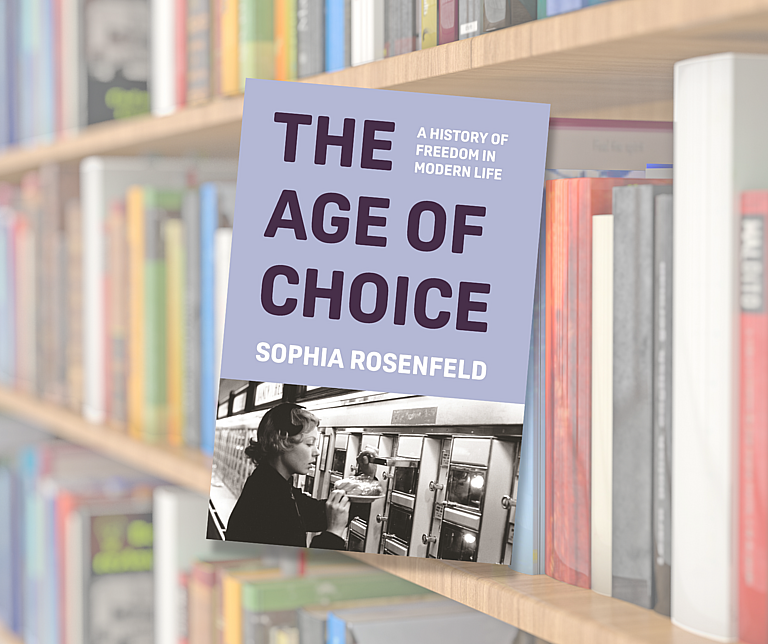
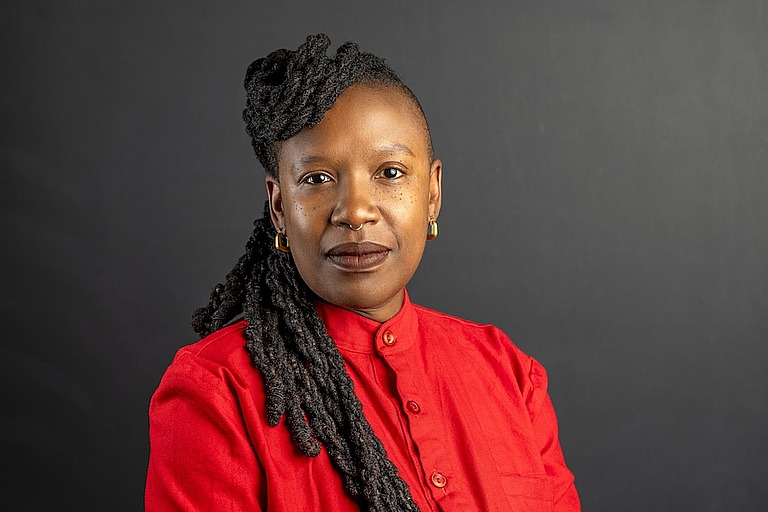
What is real about this ethnography—what hasn’t been altered or rendered anonymous—are the events that I describe and the voices of my collaborators. Their voices bring to life the activities that take place on Chicago’s street corners. Their voices bring dimension to people’s identities and life struggles. Their voices paint a portrait of the variegated desires that stem from imagining life anew.


Can AI Teach Science?

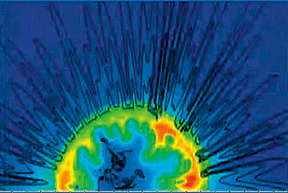
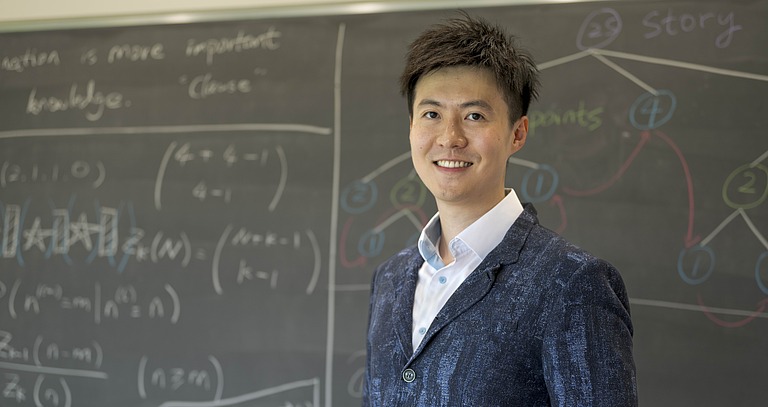
Motivated by the growing interest in using artificial intelligence for teaching purposes, IAS scholars from the Schools of Mathematics and Natural Sciences have conducted an innovative study to assess the correctness and helpfulness of large language models in STEM education. Their research yielded surprising results, including highlighting the importance of training models on conversations rather than textbooks.

Organization, Communication, and Decision

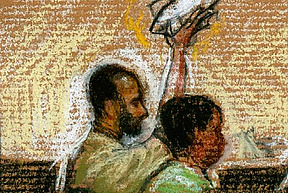
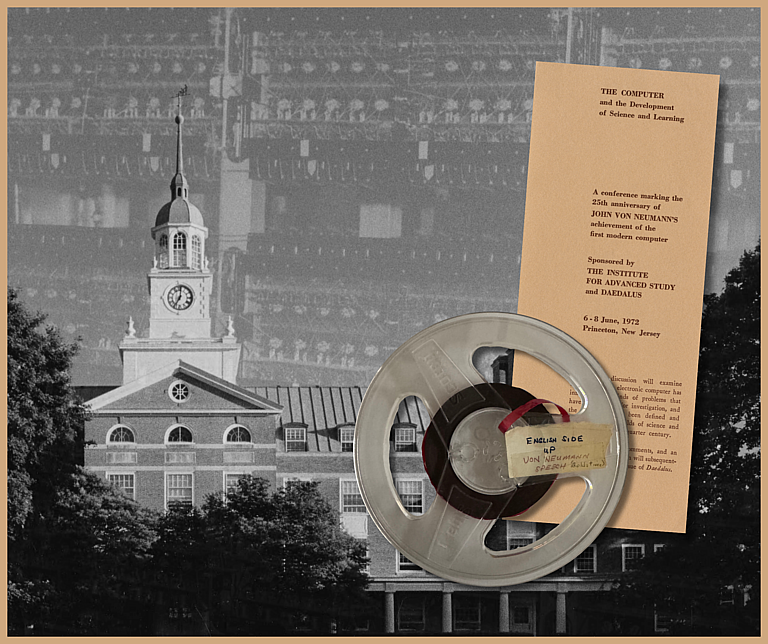
In the cognitive revolution, psychologists, recognizing that developments in information processing had potential for studying the human mind, sought for the first time to apply new ideas in early artificial intelligence, computer science, and neuroscience to psychology. The Institute, as the home of one of the first modern computers, was uniquely poised to serve as a hub for this nascent field of study.