Ideas

Explore firsthand accounts of research and questions posed by IAS scientists and scholars. From art history to string theory, from moral anthropology to the long-term fate of the universe, contributions span the last decade to the research of today.
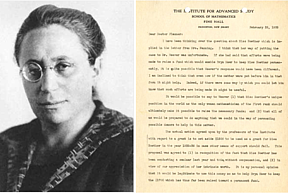
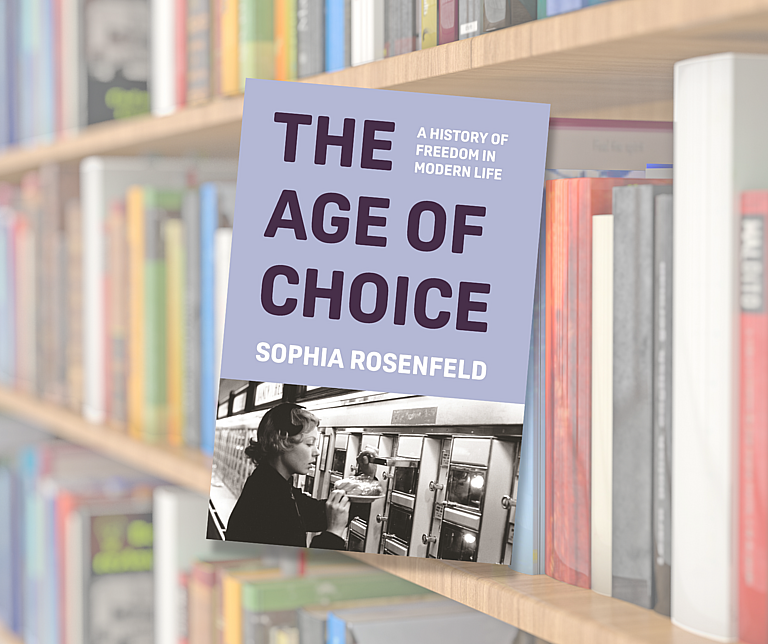
In 1930, the Institute was created as an academic retreat for the pursuit of daring research, unfettered by material constraints. From the beginning, political turmoil around the world interfered with this dream. This exhibit traces key moments in this history, focusing on questions of displacement and academic freedom in Europe, the United States, and Latin America from the 1930s to the 1970s. 

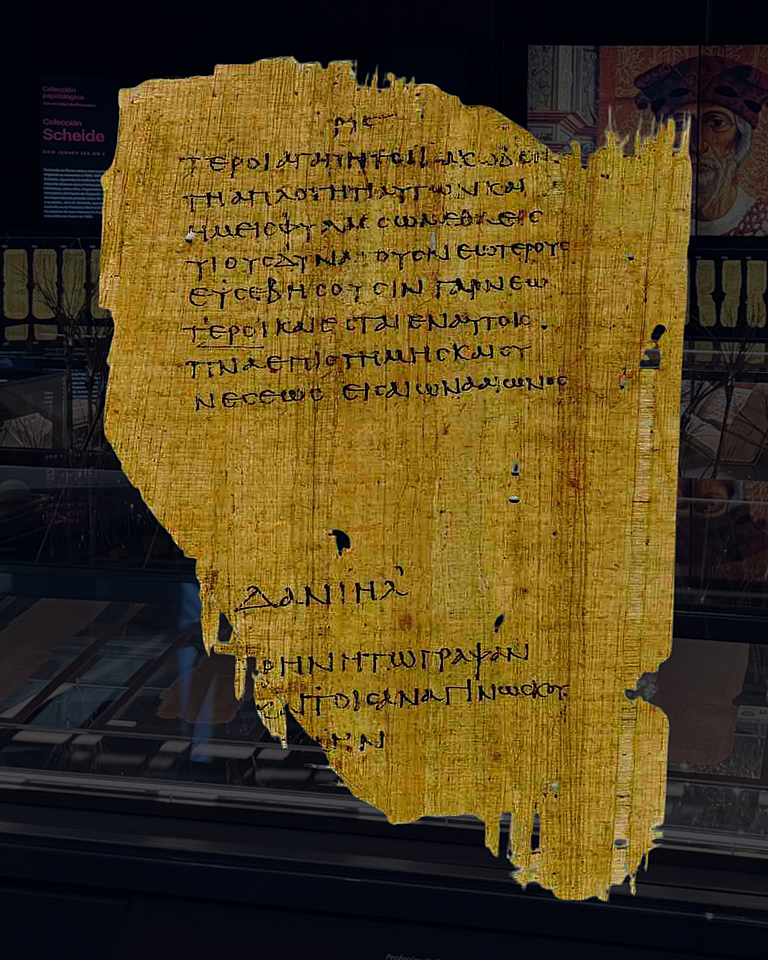
An hour south of Wall Street,
past tulips, toddlers on swings,
cyclists, runners, Frisbees tossed
by girls in shimmering orange shorts,
I walk to the Institute library
to borrow the Shorter O.E.D.
laid by to welcome my stay.
A lay guest here before...

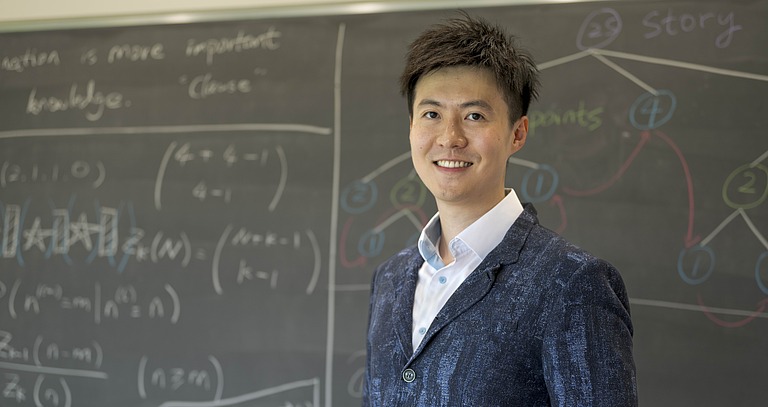
Can AI Teach Science?

Motivated by the growing interest in using artificial intelligence for teaching purposes, IAS scholars from the Schools of Mathematics and Natural Sciences have conducted an innovative study to assess the correctness and helpfulness of large language models in STEM education. Their research yielded surprising results, including highlighting the importance of training models on conversations rather than textbooks.

Organization, Communication, and Decision

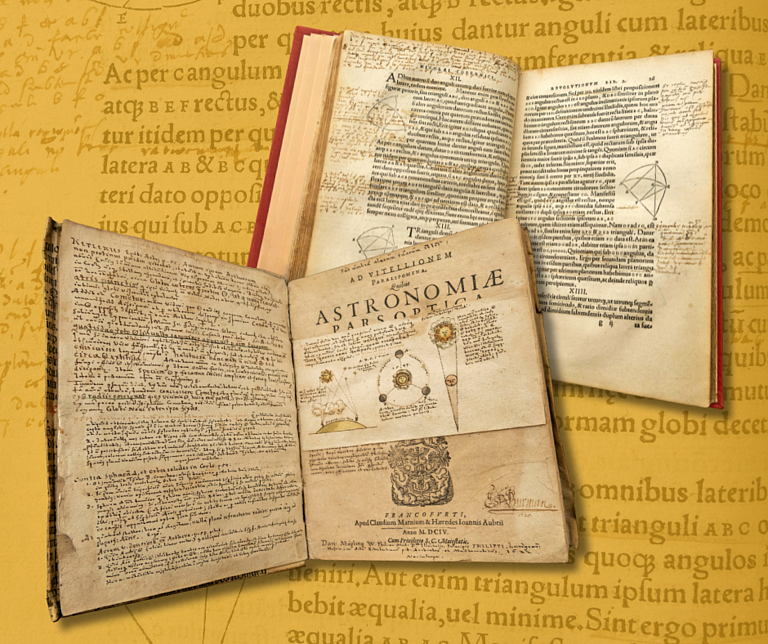
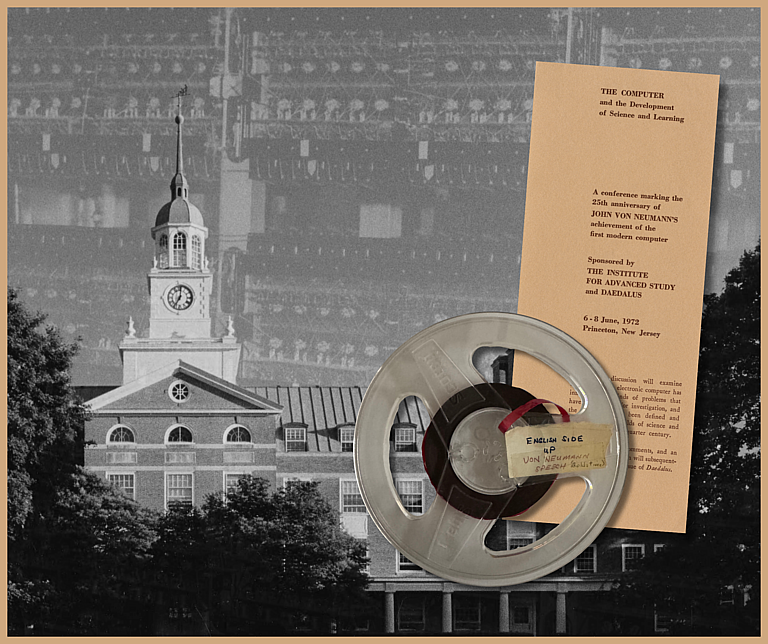
In the cognitive revolution, psychologists, recognizing that developments in information processing had potential for studying the human mind, sought for the first time to apply new ideas in early artificial intelligence, computer science, and neuroscience to psychology. The Institute, as the home of one of the first modern computers, was uniquely poised to serve as a hub for this nascent field of study.