Ideas

Explore firsthand accounts of research and questions posed by IAS scientists and scholars. From art history to string theory, from moral anthropology to the long-term fate of the universe, contributions span the last decade to the research of today.
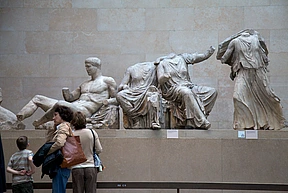
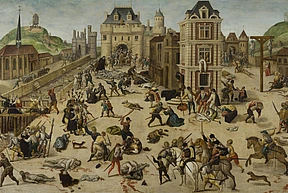
Historian Jérémie Foa offers a very unique view of the 1572 massacres in his work entitled Tous ceux qui tombent: visages du massacre de la Saint–Barthélemy [All that fall: faces of the St. Bartholomew's day massacre]. He exhumes the “small lives” that were taken by reconstituting history in minute detail and honoring the names of the anonymous victims.

The new Rubenstein Commons building at the Institute for Advanced Study, designed by Steven Holl Architects, stands in stark contrast to the explicitly functionalist forms of other modern buildings on campus: the Member housing, designed by Marcel Breuer, or even the welcoming but austere (what’s known as “brutalist”) spaces of the dining hall, designed by Robert Geddes.

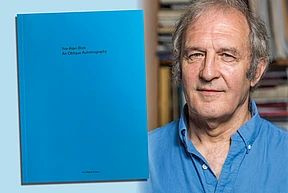
Yve-Alain Bois, Professor in the School of Historical Studies, has completed volume two of his catalogue raisonné of American painter Ellsworth Kelly. Working with the artist’s estate, Bois has produced a thorough catalogue of the artist’s paintings, sculptures, and reliefs between the years 1954 and 1958, including high-quality reproductions of the art, history of ownership and exhibition, and bibliographic notes. 

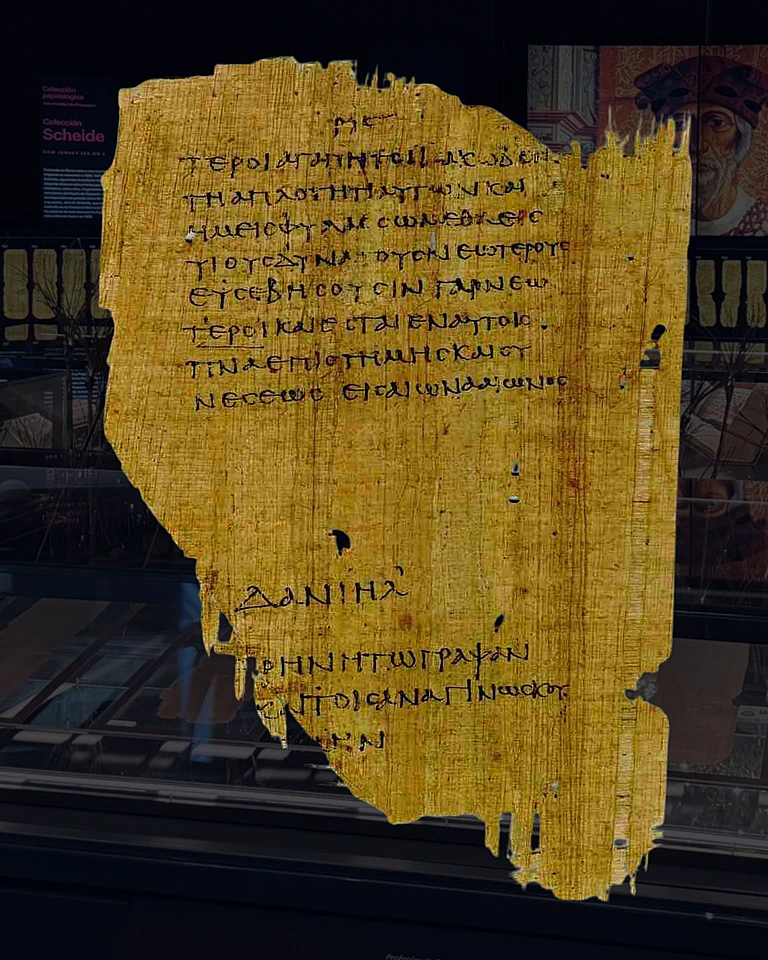
Alison Locke Perchuk, past Member in the School of Historical Studies (2018-19), has authored the first interdisciplinary account of the Monastery of St. Elijah, built circa 1122-26 near Rome. It includes archaeological and historical readings of the monastery’s architecture, frescoes, and sculpture, with an eye toward epigraphy, liturgy, theology, memory, and landscape.

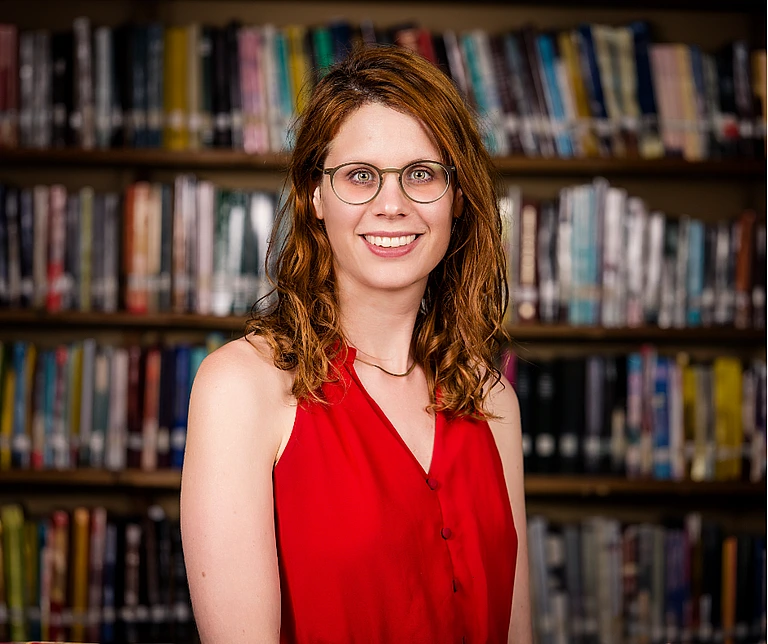
How do we teach something we don’t yet know? In today’s Scholar Spotlight, Historical Studies Member Anna Bokov discusses her research on architecture and design pedagogy, the pursuit of truth and beauty, and breaking the rules (and making your own). 

Can AI Teach Science?

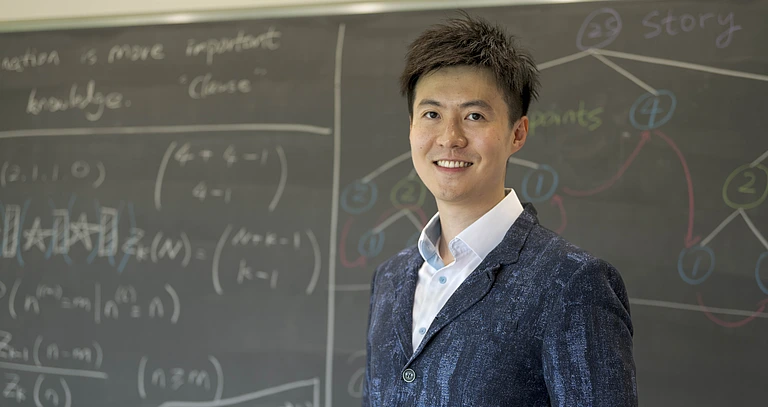
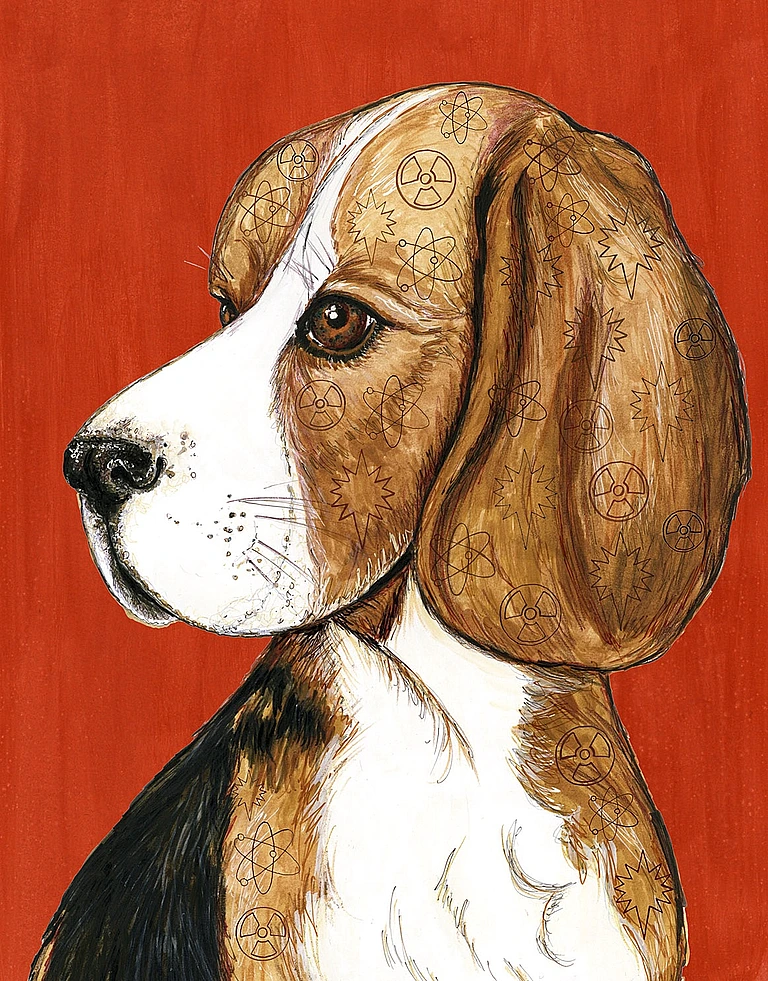
Motivated by the growing interest in using artificial intelligence for teaching purposes, IAS scholars from the Schools of Mathematics and Natural Sciences have conducted an innovative study to assess the correctness and helpfulness of large language models in STEM education. Their research yielded surprising results, including highlighting the importance of training models on conversations rather than textbooks.

Organization, Communication, and Decision

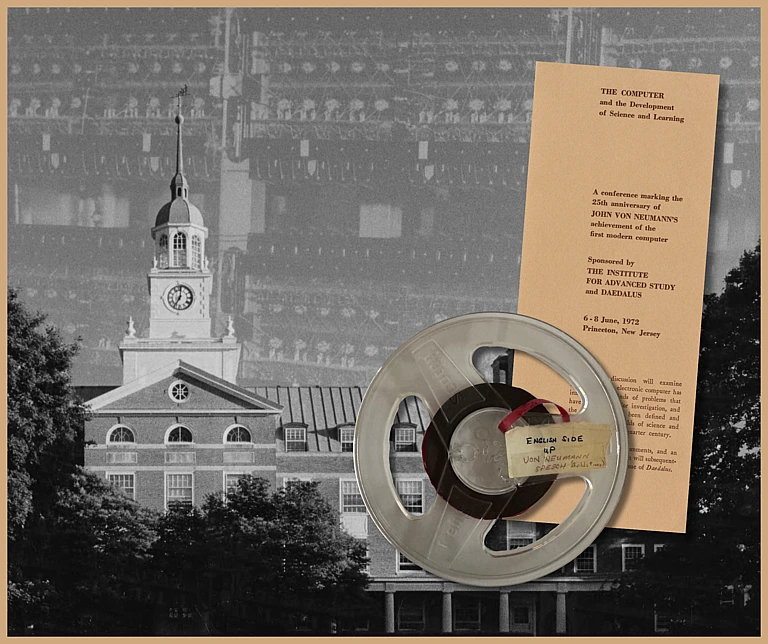
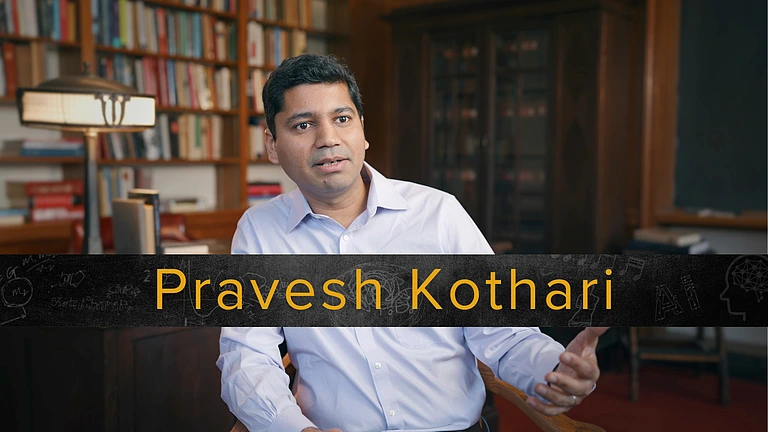
In the cognitive revolution, psychologists, recognizing that developments in information processing had potential for studying the human mind, sought for the first time to apply new ideas in early artificial intelligence, computer science, and neuroscience to psychology. The Institute, as the home of one of the first modern computers, was uniquely poised to serve as a hub for this nascent field of study.