Ideas

Explore firsthand accounts of research and questions posed by IAS scientists and scholars. From art history to string theory, from moral anthropology to the long-term fate of the universe, contributions span the last decade to the research of today.


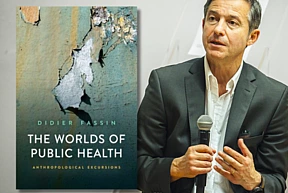
After the COVID-19 pandemic saw public health erupt into the world’s consciousness, Didier Fassin, James D. Wolfensohn Professor in the School of Social Science, gave a series of lectures at the Collège de France in Paris proposing a new analysis of the moral and political issues at stake in the practice of public health. The lectures have been published by Polity Press in a book titled The Worlds of Public Health: Anthropological Excursions.

After the death of several dozens of refugees, most of them fleeing Afghanistan, in a shipwreck off the coasts of Calabria, in the South of Italy, on the 26th of February 2023, Lorenzo Alunni, current Member in the School of Social Science, and Didier Fassin, James D. Wolfensohn Professor, wrote a column for Le Monde, analyzing how Europe had shifted from a politics of rescue to a criminalization of humanitarianism.

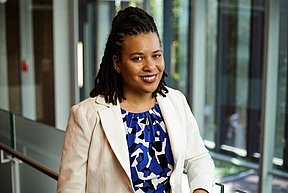
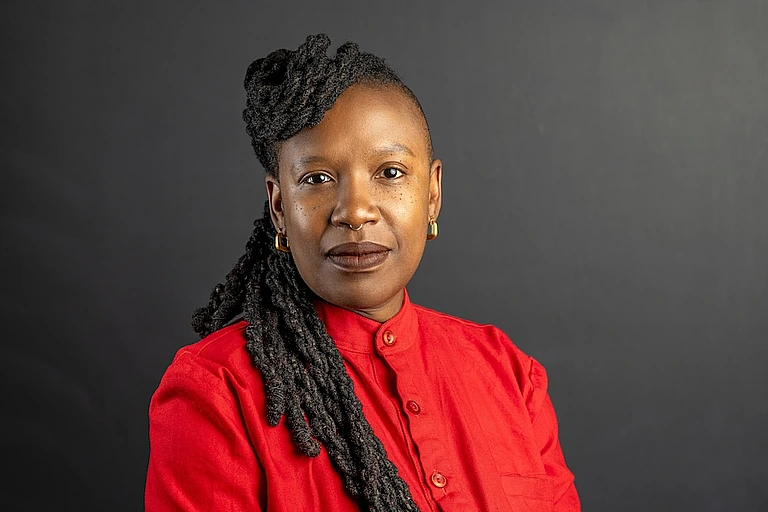
"There is a uniquely U.S. story to the legal undoings following Dobbs v. Jackson Women’s Health Organization. The American divide on abortion finds its contested space reinvigorated by the recent majority decision from the U.S. Supreme Court that overturned Roe and Casey. This distinctly American institution of politically appointed judges is unparalleled to any other top courts in other liberal democracies."

Can AI Teach Science?

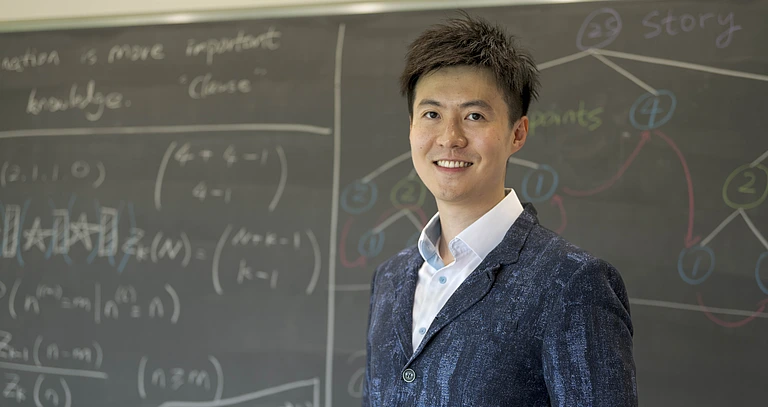
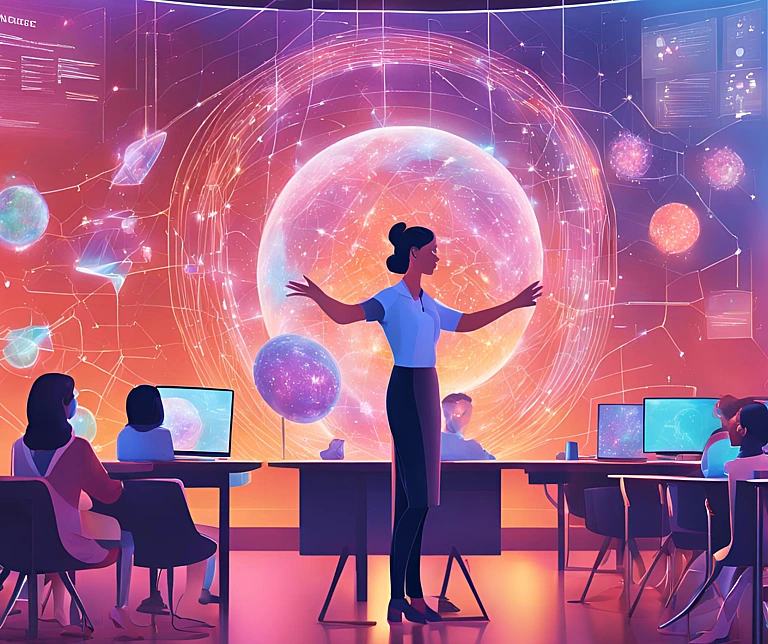
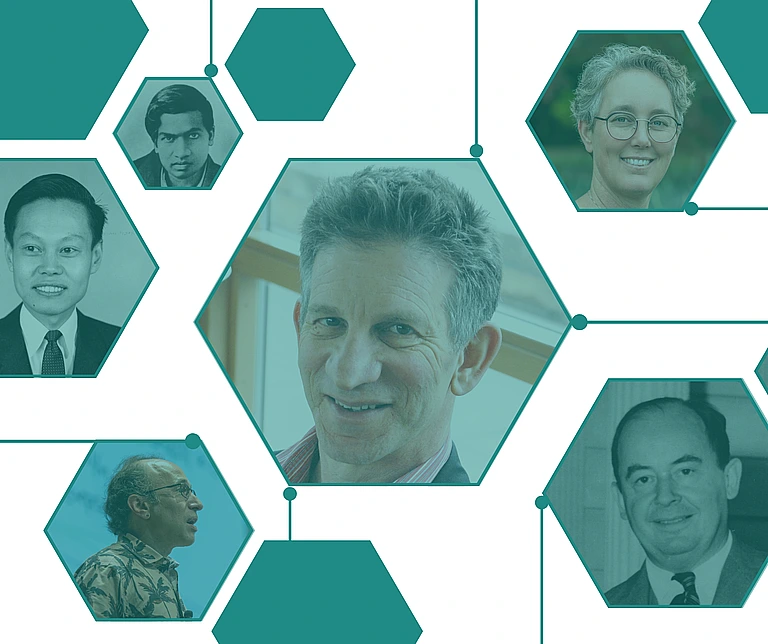
Motivated by the growing interest in using artificial intelligence for teaching purposes, IAS scholars from the Schools of Mathematics and Natural Sciences have conducted an innovative study to assess the correctness and helpfulness of large language models in STEM education. Their research yielded surprising results, including highlighting the importance of training models on conversations rather than textbooks.

Organization, Communication, and Decision

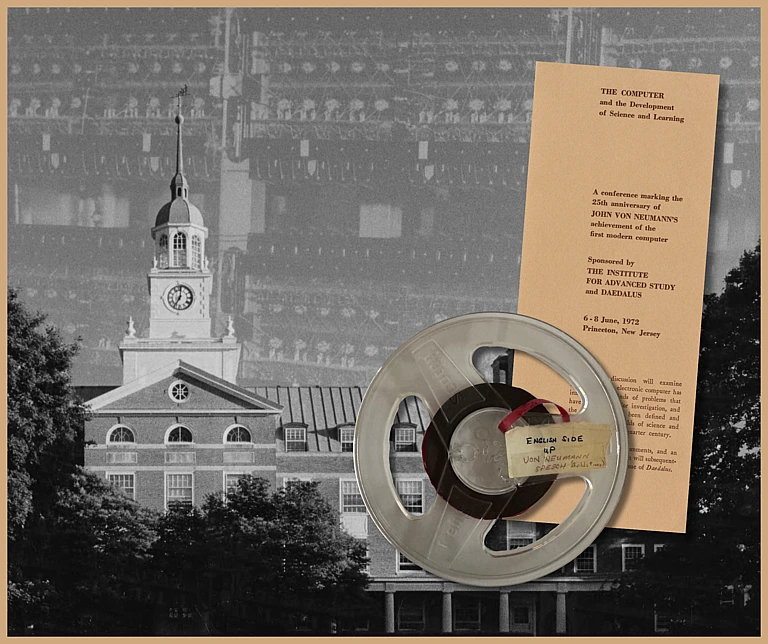
In the cognitive revolution, psychologists, recognizing that developments in information processing had potential for studying the human mind, sought for the first time to apply new ideas in early artificial intelligence, computer science, and neuroscience to psychology. The Institute, as the home of one of the first modern computers, was uniquely poised to serve as a hub for this nascent field of study.