Disability as Authority in the Early Modern Period
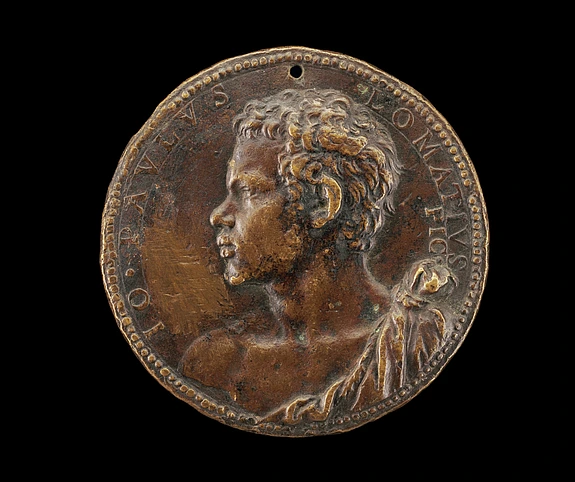
In early modern Europe, as today, physical and mental disabilities were often met with ableism—prejudice that made it difficult for disabled writers to claim credibility and authority. In Crip Authority: Disability and the Art of Consolation in the Renaissance, written during her time at IAS, Elizabeth B. Bearden, Felix Gilbert Member (2022–23) in the School of Historical Studies, shows how disabled authors resisted this ableism with the help of an ancient, respected genre: consolation.
Consolatory texts comfort people facing hardship, including disability, but Bearden argues that, in the Renaissance, they also operated as a practical rhetorical toolkit. Works by Cicero and Seneca, for instance, provided Renaissance writers with strategies for coping with impairment and societal scorn; they abound in examples of ancient people with disabilities, creating a sense of community with the past. Disabled writers’ engagement with consolation transforms disability into a source of “military, spiritual, political, and, most importantly […] writerly authority,” a practice Bearden names “crip authority.”
The book treats the Latin, Italian, Iberian, and English traditions. For instance, it opens with the Renaissance poet Petrarch, whose dialogues Secretum and De remediis utriusque fortunae disclose and provide comfort for mental and physical disability—the De remediis being a hugely popular consolation text for audiences from the Americas to the Ottoman Empire. It goes on to discuss “Sor Teresa de Cartagena, a Deaf Spanish nun from a prestigious family of conversos (Spanish Jews who converted to Christianity),” who adapted biblical and classical consolation to reframe her disabilities as spiritual advantage and defend herself against ableist accusations of plagiarism. The book ends with the blind painter-theorist Giovanni Paolo Lomazzo’s discussion of portrait medals that console or represent blindness to demonstrate how disability reshapes Renaissance aesthetics—especially Mannerism and sensory dimensions of art theory.
By recovering these narratives and their consolatory tactics, Bearden ultimately “crips” the Renaissance itself, placing disability at the center of canonical literary history.