
Essays
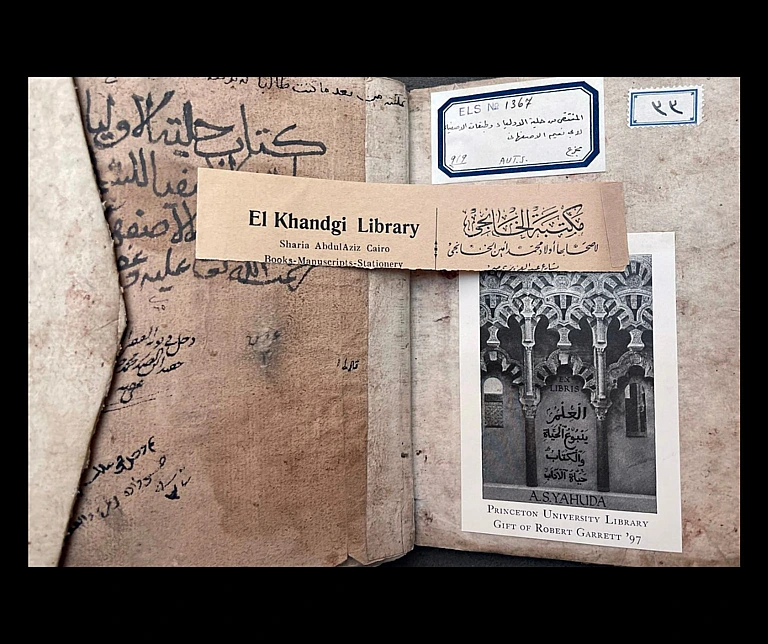
A Window into Early Twentieth-Century Arabic Manuscripts Transactions
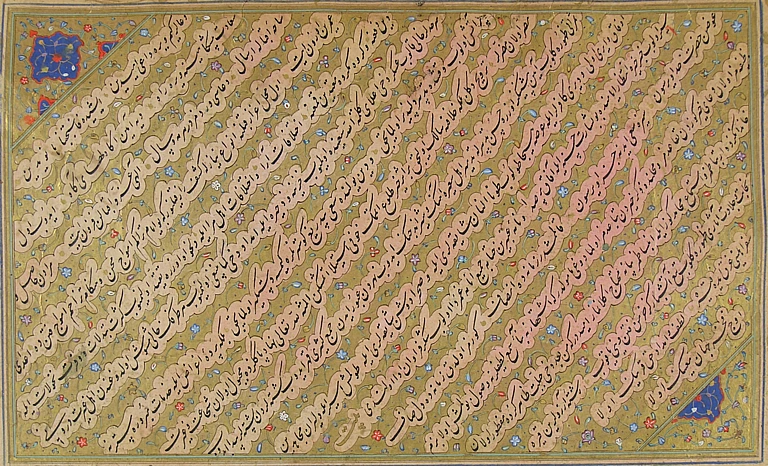
Persian Aesthetics in Ottoman Albums
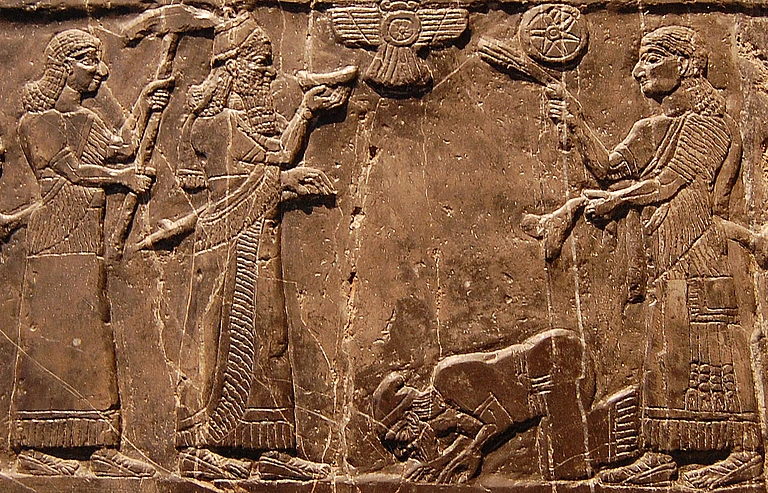
Who Wrote the Torah?
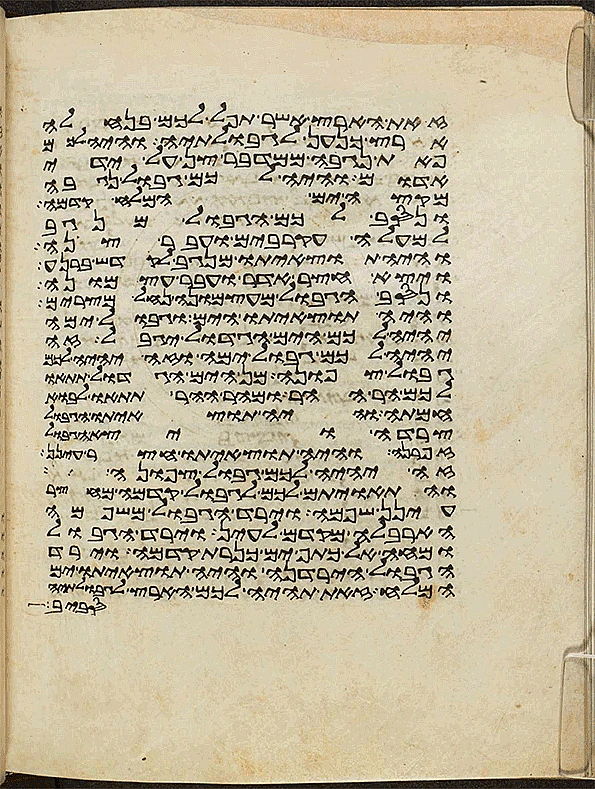
Is a qibla a qibla? Samaritan Traditions About Mount Garizim in Contact and Contention
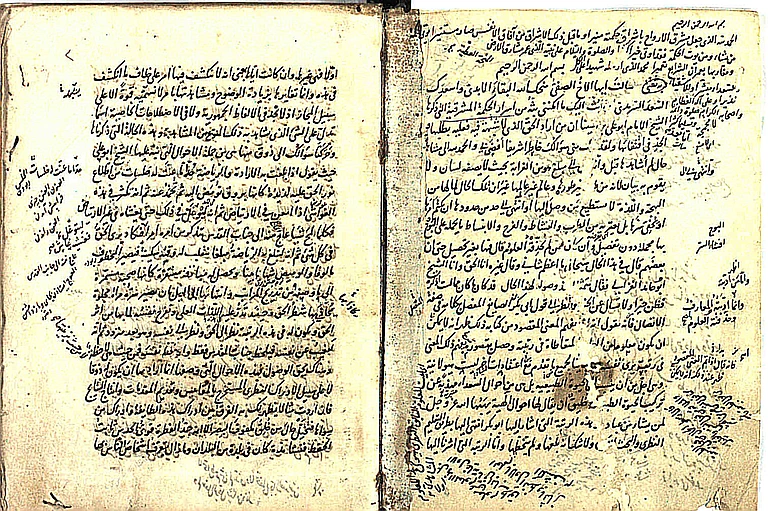
Ibn Tufayl on Learning and Spirituality without Prophets and Scriptures
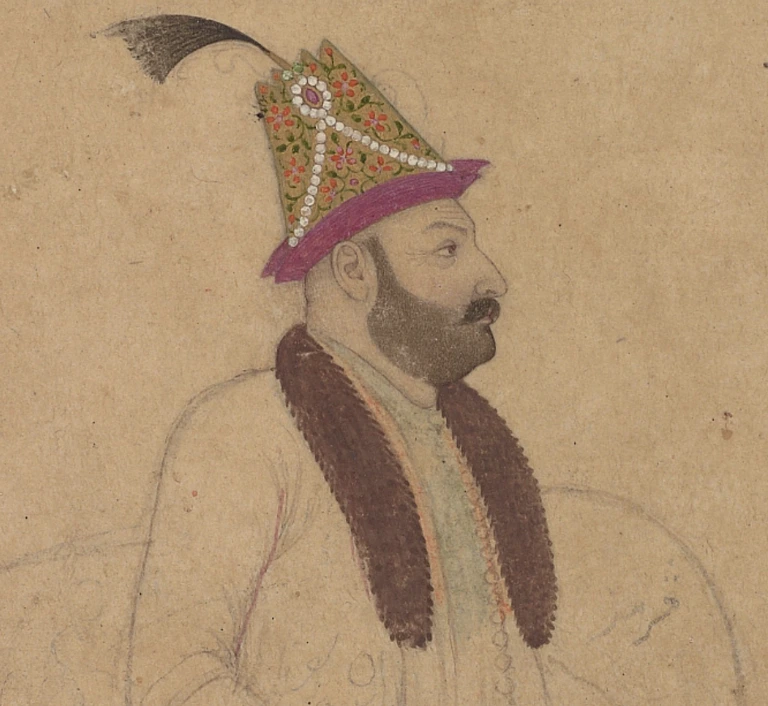
Nader Shah in Iranian Historiography
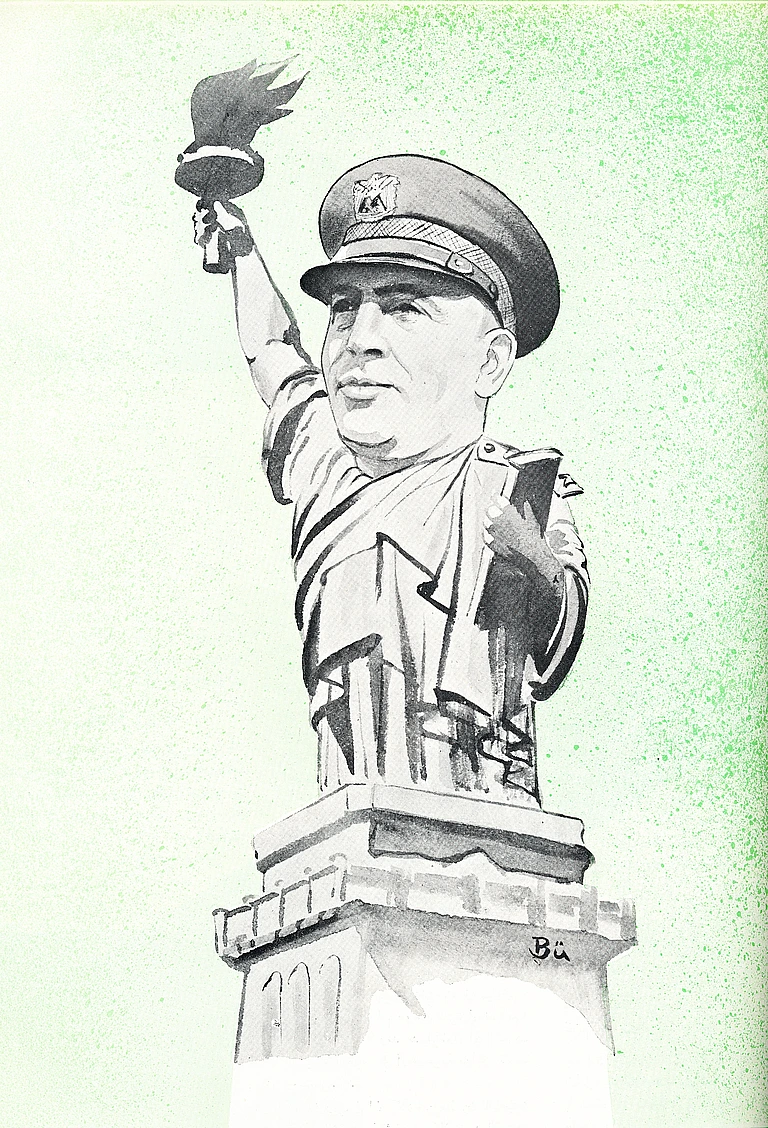
Authoritarian Culture in the Arab World
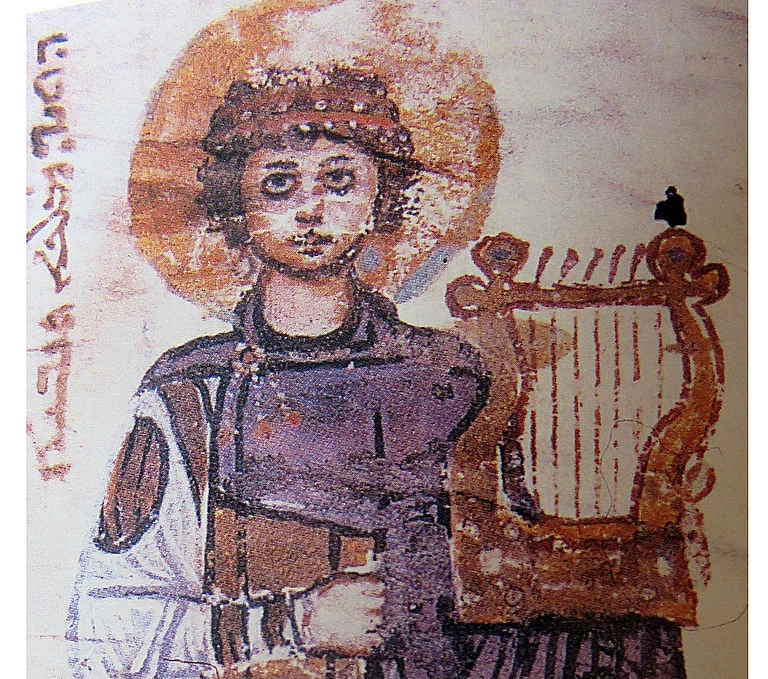
For a Different History of the Seventh Century C.E.
Patricia Crone’s Contribution to Iranian Studies
Peace and Quiet in Castile
Islamic Studies at the Institute for Advanced Study
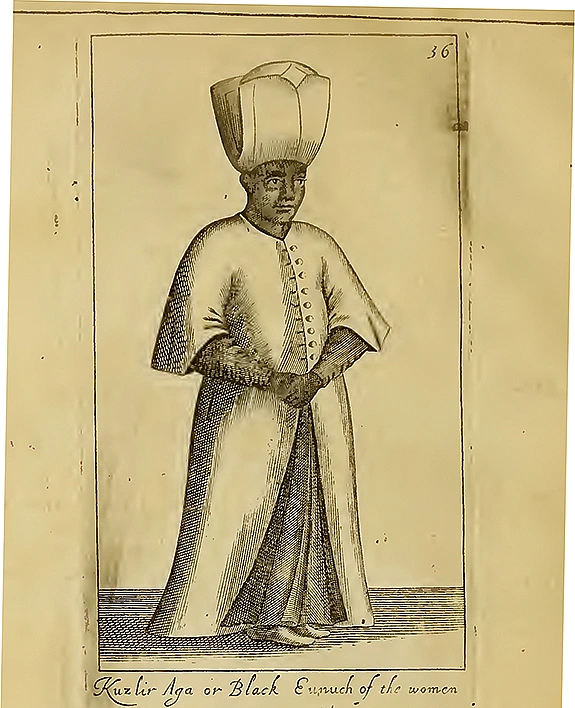
The Chief Eunuch of the Ottoman Imperial Harem
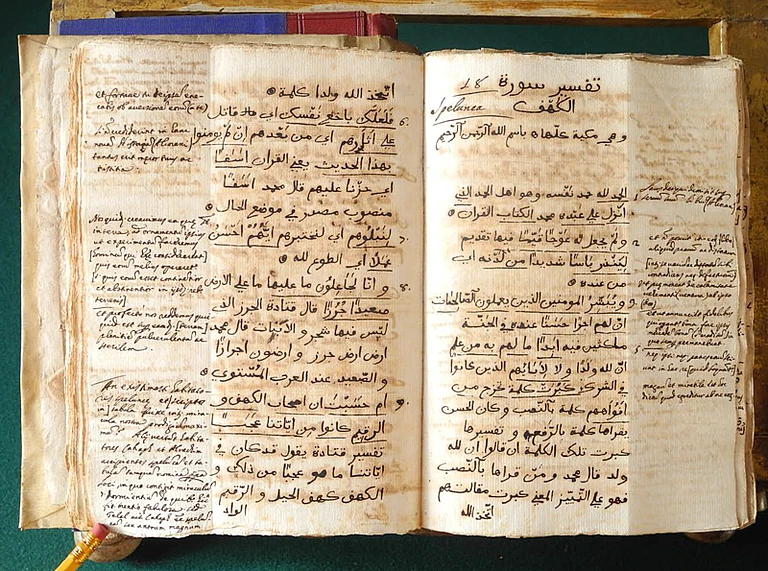
Editing the Qurʾān in Sixteenth- and Seventeenth-Century Europe
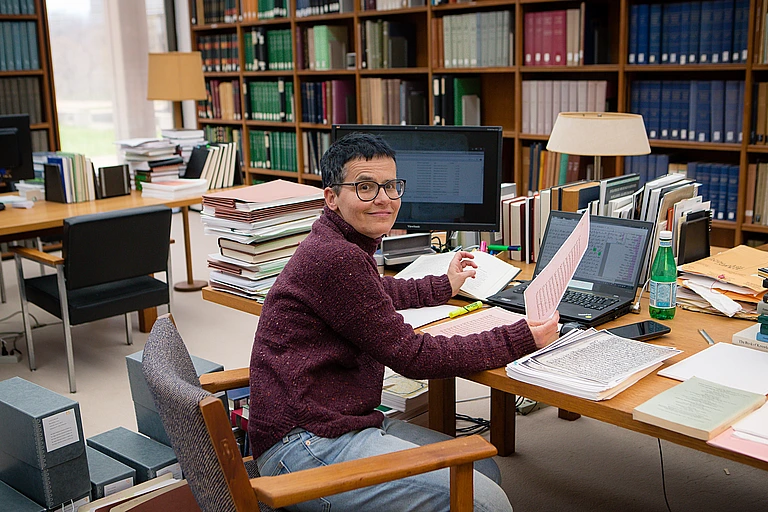
The Zaydi Manuscript Tradition
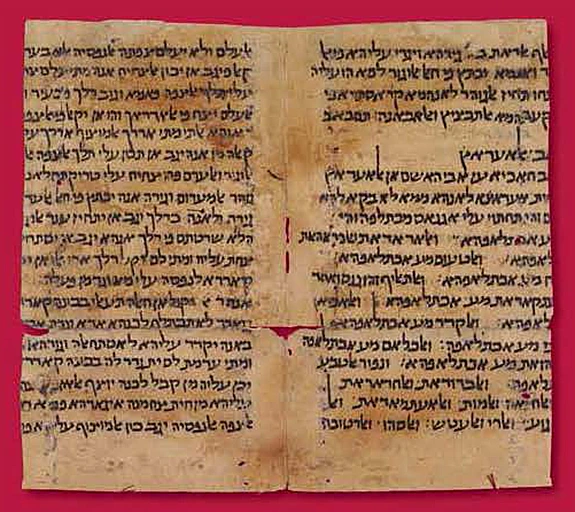
The People of Monotheism and Justice
School of Historical Studies Receives Grant from Carnegie Corporation of New York
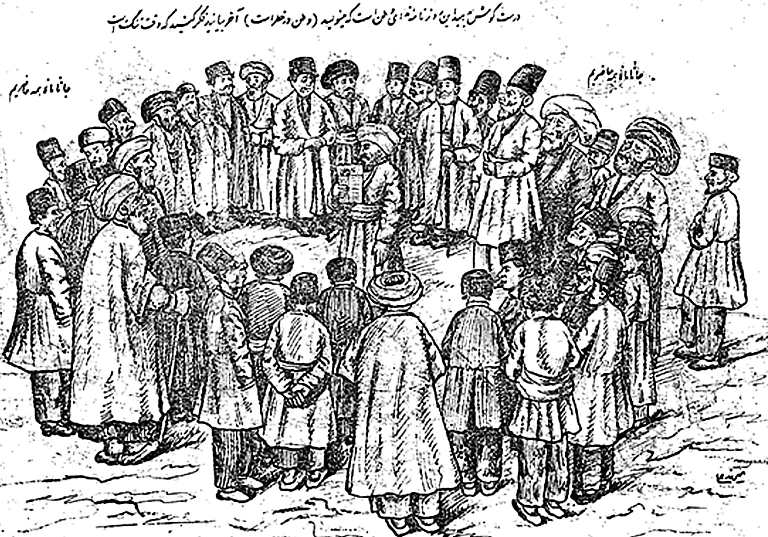
The Birth of Newspaper Culture in Iran
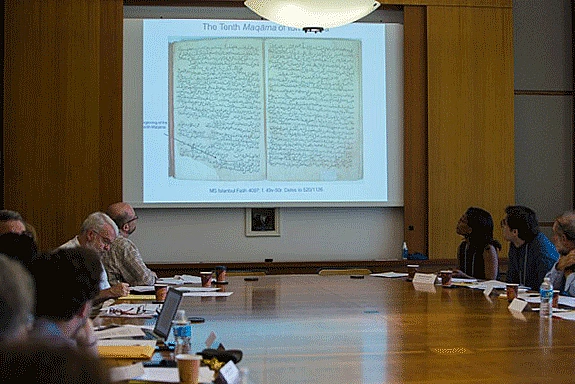
The Exploits of Maqāma
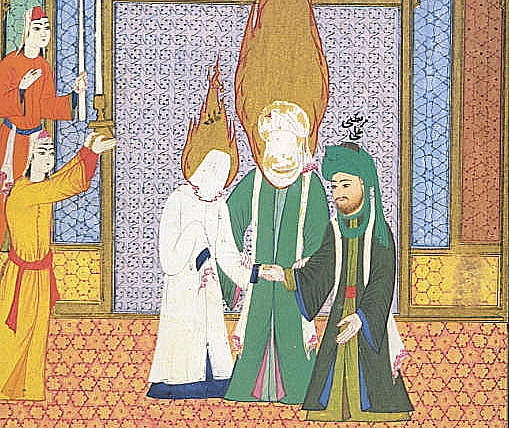
The Shiite Interpretation of the Status of Women
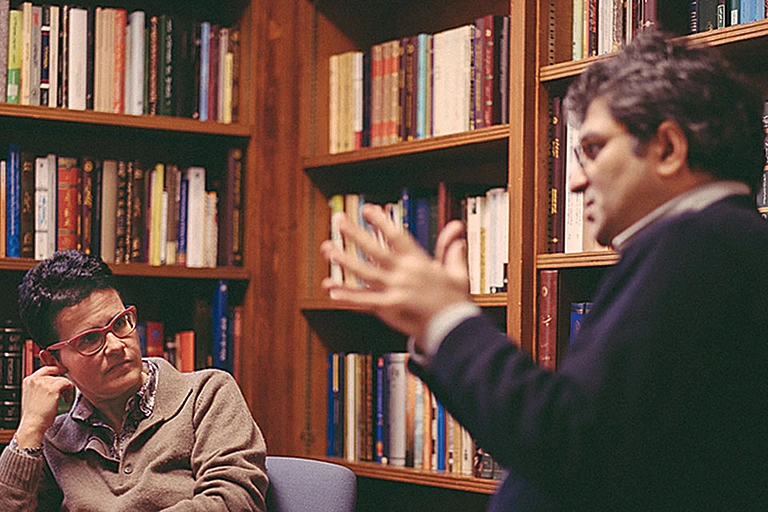
The Necessity of a Historical Approach to Islamic Theology
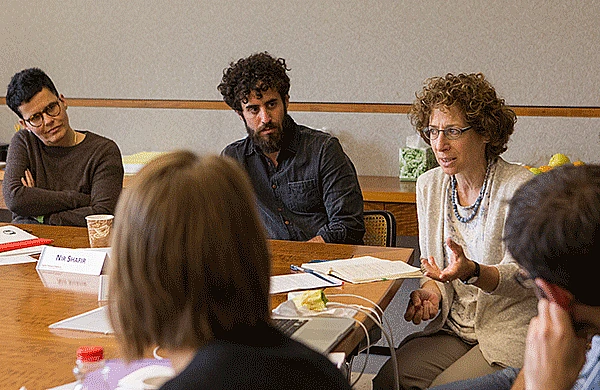
Designing the Digital Ottoman Project
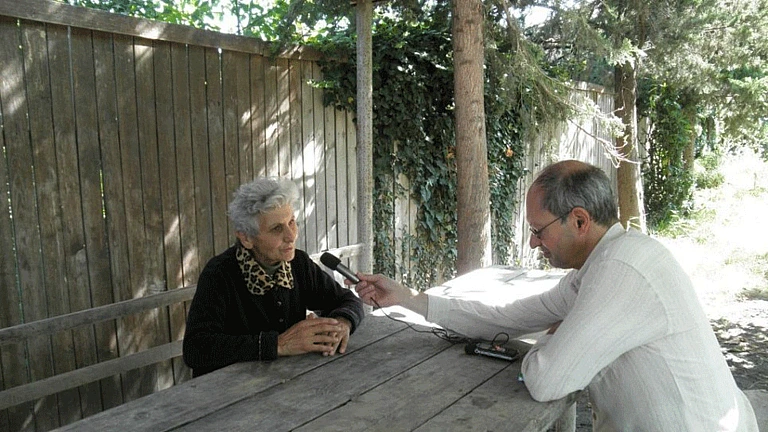
Aramaic and Endangered Languages
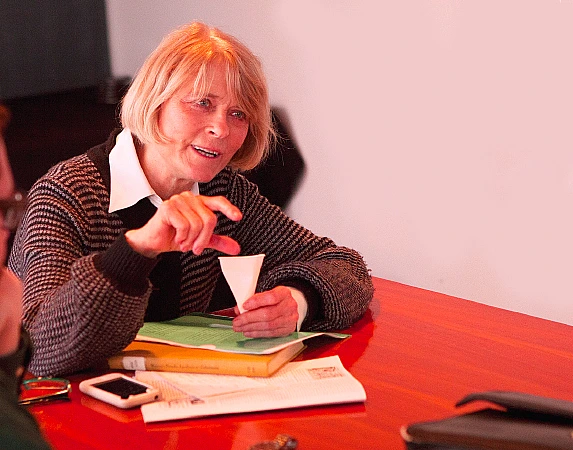
New Membership in Near Eastern Studies Created in Honor of Patricia Crone
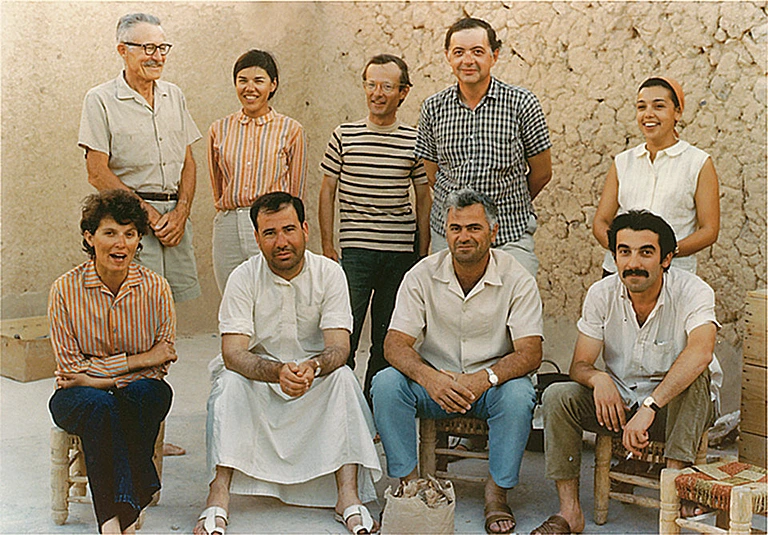
Sixty Years of Scholarship in the History of Art
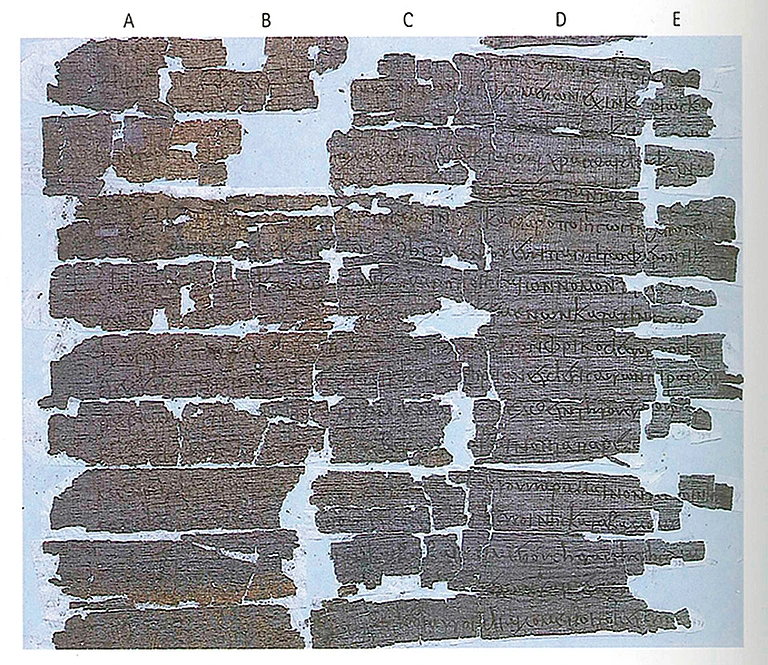
On the Excitements of Lot-Casting
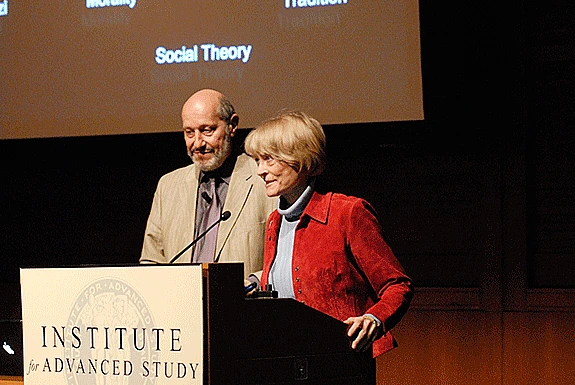
Islamic Freethinking and Western Radicalism
- Preserving, Studying, and Democratizing Access to the World Heritage of Islamic Manuscripts: The Zaydī Tradition by Sabine Schmidtke
- A Covenant of Life, Not Death. A conversation with Moulie Vidas by George Yancy
- "al-Dirāsāt al-islāmiyya fī Princeton" (Interview with Haytham Samīr and Aḥmad Shākir) Markaz Namāʾ li-l-Buḥūth wa-l-Dirāsāt (18 May 2017), Sabine Schmidtke
- Islamic Thought Beyond Denominational Borders. Challenges and Perspectives for a Comprehensive Approach by Sabine Schmidtke
- Muslim Perceptions and Receptions of the Bible by Sabine Schmidtke
- Patricia Crone (1945-2015). The influential, pioneering scholar and her indelible mark on Islamic studies and the Institute by Christine Ferrara and Alexandra Altman
- Oleg Grabar: the scholarly legacy by Robert Hillenbrand
- In Memorian: Shelomo Dov Goitein 1900-1985, Institute for Advanced Study