2014-2015 Members, Visitors and Research Assistant
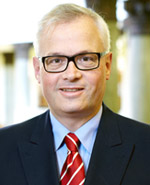 |
Holger AfflerbachIn residence for: Year Research Abstract: The project is a reevaluation of German warfare 1914-18, the reasons for Germany’s defeat and a portrait of its leadership. |
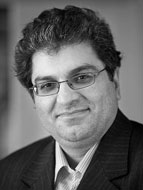 |
Hassan Farhang AnsariIn residence for: Year Research Abstract: In the 11th c., various intellectual factions prevailed among the Zaidīs of Yemen. Among them the pietist movement of the so-called Muṭarrifīya was the leading force in the doctrinal arena of Yemen. Its adherents insisted on following the doctrine of the early imāms while at the same time developing a cosmology and natural philosophy of their own. The Zaidī narratives of the 12th and 13th c. present the Muṭarrifīs as a heresy but careful examination of the sources suggests that their emergence as an independent branch was rather the result of a conflict between two doctrinal directions within Zaidism itself. The conflict had social and political roots, but the victors attempted to retroactively present the vanquished as being little over an abominable heresy to be banished. The Muṭarrifī School, despite its importance in the history of Yemen, remains virtually unknown. In recent years several Muṭarrifī doctrinal works were discovered in Yemen. These allow an investigation of the various dimensions of their politico-religious thought. In addition, an important biographical work written by one of the leading figures of the Muṭarrifīya, Musallam al-Laḥǧī (12th c.), is preserved in manuscript. A third corpus to be taken into consideration are the numerous refutations of the Muṭarrifīya, composed during the 12th and 13th c., many of which are extant in manuscript. Finally, the rich legal literature of the Zaidī imams who were opponents of the Muṭarrifīs must be examined, a category that has been completely neglected so far. Research will be divided along two lines: first, the social and political history of the Muṭarrifīya and the doctrinal thought of the movement and its origins within the larger context of Yemenī Zaidism. Secondly, Hassan Ansari intends to prepare critical editions of the few extant doctrinal works belonging to the Muṭarrifīya, particularly the Kitāb al-Burhān ar-rāʾiq of the 12th c. |
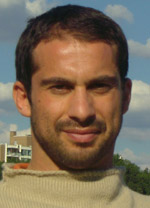 |
Marco Barducci(Gerda Henkel Member) Research Abstract: The reception of Grotius's works and ideas in England (c.1617-1730) will be a starting point for charting the multifaceted reception of Grotius in early modern Europe. This project covers the period from Grotius’s early contacts with English intellectuals and ecclesiastics close to King James I, until the early Enlightenment times of John Toland, who used Grotius’s ideas as a foundation for a deistic 'reasonable' Christianity. Grotius was commonly referred to, by many of his English admirers, as the 'most learned' man of their century. The great men of learning, from John Selden to John Locke possessed copies of his works and embraced some of his doctrines. This project has three interrelated aims: First, by establishing the nature of the intellectual reception of Grotius, it will identify how the English dimension drew from and was engaged with the more profound European context; Second, it will recover the powerful and persistent dimensions of the broader intellectual legacy of Grotius in Europe; Third, it would contribute to the methodological groundwork of a transnational European intellectual history that has transmission, exchange and reception at its core. By focusing on the study of the English receptions of Grotius, this project will bring together transnational history and the contextual approach to the history of ideas, thereby offering a new perspective on the transnational reception of works/ideas. This research aims to provide the first book-length account of the influence of Grotius on early modern English political and religious culture. |
 |
Robert BartlettIn residence for: Year Research Abstract: Gerald of Wales (c. 1146-1223) was an ecclesiastic, a servant and critic of the Angevin kings and a prolific and vitriolic writer. His Instruction for a Ruler (De principis instructione) is of interest for three main reasons: it provides a detailed, and violently partisan, account of the last days of Henry II of England; it is full of highly miscellaneous but valuable stories and anecdotes (e.g. the account of the discovery of the tomb of Arthur and Guinevere, the legend of the destruction of the Picts); and it is a monument to the literary culture of a highly educated writer at the heart of the so-called Twelfth-century Renaissance. Gerald was educated at Gloucester abbey and the nascent University of Paris, so his reading throws light on the texts available and the schooling offered in such milieux. The work survives complete in one fourteenth-century manuscript (British Library, Cotton Julius B. xiii, fols. 48-173), although the original preface can be found separately in Cambridge, Trinity College, MS R. 7. 11, fols. 86-92. There is a need for a new, complete edition and modern annotated translation, since the last edition dates to 1891, the only translation to 1858. The work has in fact never been printed in its entirety. |
 |
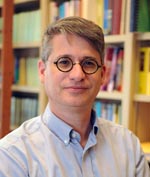
Adam BeaverIn residence for: Year Research Abstract: I will complete the MS of a new book project on Spanish-Egyptian relations in the late Middle Ages and Renaissance, as viewed through the experiences of the Italian-turned Spanish humanist Pietro Martire d'Anghiera (1457-1526). Martire is relatively well-known to Renaissance historians for his Decades de Orbe Novo (1511), the first history of the Spanish conquest of the New World. Almost completely ignored, however, is the fact that in his own time Martire's value to the Catholic Monarchs Ferdinand and Isabel derived primarily from the embassy he led to Cairo in 1501-1502, where he labored to strengthen Spain's three-centuries-old alliance with the Mamluk sultanate of Egypt. Martire's account of his adventures in the East, published as a companion piece to his Decades under the title Legatio Babylonica, explicates in vivid detail a neglected Spanish-Egyptian axis of diplomatic, economic, and cultural exchange which I argue did even more than the well-known Ottoman-Venetian relationship to facilitate the mobility of people and ideas across the medieval and Renaissance Mediterranean. Incorporating Spain and Egypt into our picture of the premodern Mediterranean is crucial for three reasons. First, the Spanish-Mamluk relationship highlights a number of non-state structures and institutions (like the Franciscan Custodia Terrae Sanctae) which played a major, but now forgotten, role in organizing European contact with the Levant. Second, reading Spanish narratives like Martire's reveals the danger that privileging humanist Crusade literature over other forms of humanist discourse about the East has given the Renaissance an undeserved reputation as a site of nascent Orientalism. Finally, Spanish-Egyptian interactions have much to tell us the historical development of Spain and its American empire beyond the Mediterranean. The need to maintain relationships with Muslim polities like the Mamluks (particularly in the years following 1492) shaped the Spanish Monarchy's inconsistent approaches towards its own religious minorities—most obviously the Muslims of Granada, but also its Jewish/converso and Amerindian subjects—in the sixteenth century and beyond. |
 |
David BelloIn residence for: Year Research Abstract: My environmental history project examines the interdependent effects of water and ethnic diversity on the Qing (1644-1912) state’s westward expansion into Tibet and Xinjiang during the empire’s long eighteenth-century. The Qing, initially imposed on ethnic Chinese (or "Han") by northeastern Manchu minority conquerors in the mid-seventeenth century, moved to incorporate both territories in response to the threat of eighteenth-century Mongol expansionism across its western boundaries. These western territories, however, were not easily incorporated into a Qing agrarian bureaucratic infrastructure based on a much wetter and more sedentary order of north China grain fields and south China rice paddies. Water remained a critical resource to consolidate Qing authority in the arid west, but was much more difficult to control through traditional hydro-engineering techniques than in the alluvial plains and river basins farther to the east and south. The Qing order in the west was, thus, necessarily different as it adapted to new relations between people and water. My project is structured by an environmental historical approach that seeks to clarify how humans and their surrounding ecologies have mutually conditioned each other to create different possibilities and constraints for historical development of both. Ecological conditions limited conventional grain cultivation in both regions, and this attenuated direct dynastic control by creating logistical and revenue problems, which neither irrigation nor the regions' prevailing pastoral relations could entirely address. In this basic respect the aridity of both regions creates just such different Qing possibilities and constraints. Moreover, water could not be controlled in such places, as it had been for centuries in China proper, in such a way as to create the right conditions to "grow" both crops and the Han farmers who subsisted on them. The project explores the consequent formation of alternative embodiments of the Qing order in Xinjiang and Tibet as conditioned by a more arid environment that spanned both deserts and glaciers. |
 |
Martin BentzIn residence for: Visitor (October to December) Research Abstract: Subject is the productive space and how it was integrated in the urban image of the archaic and classical polis. In the focus are pottery workshops and potters quarters, their dimensions and organization. The idea for this research is based on my own excavation project in the kerameikos of Selinus and very recent discussions on the subject. Did separate potters quarters really exist? Were there only family-size workshops or did production sites of ‘industrial‘ dimensions already exist or were there still different kinds of work organization like cooperatives or associations using a common infrastructure? Historical and archaeological research in this field proceed quite separately up to now – though their different sources and methods should be considered together. Very important seems to me a quantitative approach. |
 |
Sarah BetzerIn residence for: Year Research Abstract: This book examines artistic encounters with and pictorial responses to ancient figural sculpture from the discoveries of Herculaneum and Pompeii in the mid eighteenth century to the late nineteenth century. Focusing on episodes of transformation and vivification, the project reads against grain of the longstanding and seductive rhetorical marriage of antiquity, sculpture, and morbidity, the origins of which have been traced to the 17th-century founding of the French Academie des Beaux-Arts and to the rhetorical patterns attendant to the paragone. To this end, the project unites lines of inquiry that have been examined almost exclusively in isolation: on the one hand, the rise of eighteenth-century philosophical inquiry emphatically centered on the matter of bodily sensations and aesthetic experience, and on the other the artistic culture of the Grand Tour which was defined by a widespread enthusiasm for antique sculpture. The study's animating argument is that by the late-eighteenth century these two histories were powerfully convergent and would remain so well into the nineteenth century. Organized to examine a series of individual artists' encounters with antique figural sculpture and their pictorial responses in painting, engraving, and photography, the book moves between a wide range of destinations – among them Florence, Rome, Naples, Dresden, and Paris – and spans roughly a century: from the golden age of the Grand Tour (1760-70) to the second half of the nineteenth century. Emphasizing ancient sculpture's centrality to vital debates – at once philosophical, aesthetic, antiquarian, archaeological, touristic, museological and art historical in nature – the book offers a new account of the persistence of antiquity in the modern period. |
 |
John BodelIn residence for: Second Term Research Abstract: My goal is to complete a book on the ancient Roman funeral that will situate Roman mortuary behavior more securely within the history of western attitudes to death. I have three aims: to show how the funeral was embedded in Roman religious, economic, and social life by focusing on basic institutional structures and everyday practices over time; to consider why phenomena seen as symptomatic of a rise in individualism and an "anxiety of death" in the West in later periods (the birth of the undertaking profession, suburban cemeteries, emphasis on personal commemoration) did not have the same consequences in antiquity; and to linkup the two "halves" of the cultural history of death in the west by identifying which functions and forms of Roman funerals endured and which ones were lost or transformed. P. Ariès began his history of western attitudes to death with the early Middle Ages and assumed that the behaviors represented in the death of Roland (778 CE) went back "to the dawn of history". Historians of European manners have generally worked forward in time from there, whereas classicists have focused inwardly and retrospectively, on what are perceived to be distinctive aspects of ancient funerary culture. My study will challenge the assumption that nothing changed in attitudes to death between antiquity and the early Middle Ages by tracing the evolution of Roman funerary behavior from classical through to early medieval times; it thus aims to make a contribution to cultural history. By combining the insights of social theory regarding funerals as transitional rites with the approach of ethnologists such as E. De Martino about lament as a psychological defense, I hope to engage an historical question (when and in what ways did funerary practices change between antiquity and the Middle Ages?) through consideration of the ritual’s social and cultural functions over the longue dur’ee. Finally, my study will assess the relations between the performative and ephemeral displays of the funerary ritual focused on the body and the more enduring monuments of commemoration usually associated with the tomb. |
 |
Ari BryenIn residence for: Year Research Abstract: This project combines documentary, literary, and legal sources to write a history of the rise of "legal consciousness" among provincial populations of the Roman Empire and the effects of that consciousness on imperial governance in the first through fourth centuries. I aim to reconstruct local understandings of legal legitimacy through the ways in which provincial communities engaged with legal texts, both officially and unofficially. In addition, I hope to show how other provincials, intellectuals in particular, reacted against this consciousness by developing alternative understandings of the sources of legitimate authority—understandings which attempted to devalue imperial legal institutions. My aim in reconstructing these understandings is to demonstrate that provincial populations cared deeply about, and were politically invested in, the nature of imperial law. They imagined law not as a transcendent system or as a collection of imperatives, but as a practical activity of problem-solving in which imperial administrators ideally recognized local claims to right. Provincial populations articulated this understanding before a variety of administrators, constantly (if frequently implicitly) reminding such powerful actors that their authority was bounded and continent upon conforming to local needs and responsive to local rhetoric. Imperial law and legal practice was met at the ground level not with resistance, but with powerful transformations that forced the administrators into a form of legal dialogue not quite on their own terms. Provincial consciousness could therefore pose a challenge to governance. These challenges—and the legal and administrative anomalies they provoked—eventually forced emperors and jurists to re-imagine law as something ideally knowable, rationalized, and codifiable. In so doing, they began over the course of the third century, to forge a rule of law, and what we would now recognize as a rule-bound bureaucracy. The rule of law, in antiquity at least, originates from the challenge of empire, rather than from an internal dynamic tending towards rationalization. |
 |
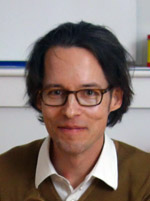
Suzannah ClarkIn residence for: Year Research Abstract: My book, "Quirks in Tonality: Aspects in the History of Tonal Spaces," examines one of the primary ambitions of nineteenth-century theorists. Theorists traditionally strove to explain the two modes of the tonal system—major and minor—through an identical set of principles. Their reasons for doing so seemed reasonable enough: the laws of the natural universe known at the time exhibited symmetry, so music should be no different. Furthermore, many thought the tonal system was God-given, but even the rationalists agreed that the tonal system was surely ordered and perhaps even perfectly symmetrical—it was just a question of discovering the right set of principles to demonstrate how. Theorists inevitably began their treatises with a detailed explanation of the major mode, only to be faced with the awkward problem of squeezing the minor mode into similar terms. My book is a history of why their quest for a highly ordered tonal system never works out, and why somewhere along the way there is always a "quirk" in the system. Such quirks have generally been dismissed by modern scholars as an idiosyncrasy of nineteenth-century theory, without any real consequence for the main substance of music theory. However, my book shows that they were in fact highly consequential. In particular, I explain the impact these quirks had on the history of chief concepts in music theory, namely how key relations and modulation were understood, analyzed, and aestheticized in the nineteenth century. In particular, I focus on five pivotal theorists from the German and French traditions and pinpoint how their various quirks shaped nineteenth-century perceptions of harmony in ways that are significantly different from our own today. At stake in my historical reading is the opportunity to recapture a nineteenth-century way of hearing music. The repertoire I cover includes music by Haydn, Mozart, Beethoven, Schubert, Schumann and Brahms. |
 |
Michael ColeIn residence for: Year Research Abstract: My project is to write a history of anti-materialist art in the West: art that in its substance or imagery positions itself against some richer thing. On the one hand, I am pursuing the intuition that various local gestures of "impoverishment," well-known by specialists in individual subfields, in fact belong to a longer, surprisingly coherent, and largely unrecognized tradition. On the other, I am setting out to differentiate the terms and values associated with aesthetic poverty in its varied iterations. |
 |
Joan ConnellyIn residence for: Visitor January 6 to March 6 Research Abstract: Joan Connelly’s current project is the publication of her excavations on Yeronisos Island off western Cyprus. This intriguing island sanctuary of Apollo, which flourished during the reign of Cleopatra VII and Ptolemy XV Caesar, sheds important light on late Ptolemaic interests outside Egypt and the hybridization of Cypriot and Alexandrian cult practices. |
 |
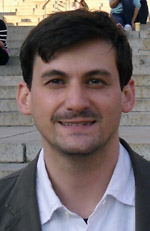
David CrouchIn residence for: Second Term Research Abstract: The project I hope to pursue at the IAS is a major part of my current overall research scheme funded by a Leverhulme Trust Major Research Fellowship I hold at my university between 2013 and 2016, whose purpose is to contextualize the emergence of a noble code of behaviour out of the twelfth and thirteenth century habitus. The new complexity introduced by the academic exploration of mannered behaviour, or 'courtliness', in medieval society has made the twentieth-century approach to approaching conduct through chivalry both misleading and tendentious. Chivalry was not in fact the defining form of medieval conduct, simply a later fossilisation of what in contemporary eyes made a man notable and noble: and indeed it may be an obvious point, but it was only men who could be 'chivalrous'. Yet if a noblewoman could not be chivalrous, she could be corteise 'courtly' and a 'preudefemme' a woman of merit, which of itself tells us that chivalry is but a park in a much bigger forest. My research plan is to open up a wider debate on medieval conduct by several means. The first stage is to produce and consolidate translations, editions of, and commentaries on, currently inaccessible conduct texts and this will occupy me through 2013 and 2014. The second phase is to contextualise thoroughly these and other texts within a wider reading embracing sociological understanding of class, conduct and literary understanding of genre and historicism. It is this later phase which will benefit from the multidisciplinary resources of the IAS. The end result will be a major book project which I provisionally call The Genesis of Chivalry, a study of the intertwining roots of codified behaviour in the middle ages and the way it contributed to the formulation of the concept of nobility and through nobility to a society stratified by status, which ultimately became the class-based society we are still familiar with, though it is nowadays only an intellectual relic. |
 |
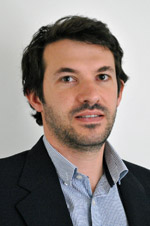
Olindo De NapoliIn residence for: Year Research Abstract: The main goal of the general project aims at writing a broad comparative history of European legal thought on colonialism in the age of empires. The last decades of 19th-century saw the development of a community of jurists who often were moderately nationalists and shared the idea that there was a European community of civilized states which could co-operate at an international level. Furthermore, the common tradition of Roman law (for continental Europe) and the professionalization of international law entailed a large circulation of legal concepts and theories about policies, which paradoxically promoted internationalism in the period of the peak of nationalisms. Historians are increasingly analyzing the international debate of 19th-century; nonetheless a global vision of such a theme in comparative perspective is unprecedented so far. In an article published in the Journal of Modern History I have already faced the issue of the legitimation of empires in Italy from an international viewpoint; other topics I have identified as basic in the European debate are: the idea of progress; the circulation of the comparison among the current empires and the ancient ones, and the use of the qualification of "new Romans"; the natives’ legal status and its relation with the category of citizenship. My research plan at IAS aims at facing the question of the comparison among modern empires and the ancient ones, particularly the Roman empire. This topic was very common among jurists especially those in charge of colonial administrations. I will not only analyze published sources, such as essays in books or journals, but even some archive record, that I’ve partially identified: sources that to date have been largely neglected in the study of international legal thought. The comparative perspective is the main methodological challenge of this project. In order to realize such a wide picture, I will study both the connections among topics and the networks between jurists of different nations. In this perspective the jurists' international links will lead me to write a transnational history of European legal culture and imperialism. |
 |
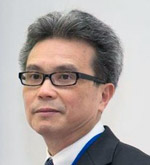
Vincent DebiaisIn residence for: Year Research Abstract: The research that I intend to pursue consists of an exploration of the intellectual conception and uses of silence in eleventh-/twelfth-century material culture. By giving it a real and significant value, my project sets out to determine its plastic qualities and complex symbolic foundations in material expression. Medieval silence cannot be reduced to a space free of language, and it must be analyzed beyond all linguistic dependence through its visual presence. Drawing on the confluence of the history of ideas and forms and art theory, this project aims to study how medieval artists conceived and used silence, emptiness, and whiteness specifically in the creation of the Moissac Abbey capitals, carved around 1100 in southern France (near Toulouse). If the motives on Moissac capitals and columns spread out in the silent cloister, it is not to compensate the monastic discipline about words; such silence actually is the essential material from which figures grow, which is why the Romanesque cloisters have been so deeply invaded by sculptures. The methodology I intend to develop is based on a careful visual analysis and reading of the inscriptions in the capitals at Moissac and other works of Romanesque art, and not on what one anticipates about the meaning and role of inscriptions. The first step is therefore the description in an illustrated and systematic catalogue of the inscriptions in their formal and paleographic aspects on the one hand, and the design of the theological and textual background on another hand. Once the coexistence between writing and image is analyzed, the book will search for the traces of the silent material and for its characterization. This exploration is needed to rehabilitate emptiness in medieval art, which has often been reduced to the notion of horror vacui, that is, a compulsion to figure every surface in an attempt to avoid pictorial silence. Now is the time to give raw material a visual and iconic value, itself capable of vibrating, shining, singing, and reflecting. |
 |
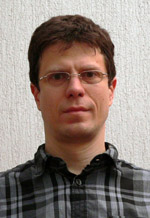
Poshek FuIn residence for: Year Research Abstract: My project reconstructs the history of China’s use of cinema in the cultural Cold War to win the hearts and minds of the Chinese across East and Southeast Asia during 1946-1956, and the ambivalence of China's images of the United States. |
 |
Ottó GecserIn residence for: Second Term Research Abstract: Among the reform movements of religious orders in the fifteenth century, Franciscan Observance excelled in its willingness to extend the reform to the laity as well. Through preaching and the publication of tracts they tried to change attitudes to superstitions, witchcraft, sodomy, clothing, gambling, usury, or the Jewish community. Plague in its traditional religious understanding as divine punishment for human sinfulness furnished proof for the preachers of the relevance and timeliness of their criticisms. Plague outbreaks, however, also required pragmatic solutions based on empirical observation, medical knowledge, and rational policy making on behalf of the political authorities. The main question I would like to answer with the proposed research refers to the way how Observant Franciscan authors perceived and interpreted the relationship between the pragmatic-medical and the normative-religious approach to pestilence. To answer this question I will survey sermons on saints, hagiography, collections of Lenten sermons, and tracts on various subjects written by Observant Franciscans, and analyze them in their local political, medical and religious contexts. |
 |
Linda GoddardIn residence for: Year Research Abstract: My project examines the writings of Paul Gauguin (1848-1903). As a French artist resident in Polynesia (1891-3, 1895-1903), Gauguin is crucial to histories of European modernism and primitivism, but his extensive writings have so far been neglected. I am writing the first monograph on his complete texts, which I argue were integral to his multi-media practice. I challenge the conventional interpretation of Gauguin's writing as naive and autobiographical, arguing instead that he developed sophisticated strategies to negotiate his ambivalent position on the margins of colonial and indigenous communities. Historians have underestimated his literary techniques, instead dwelling on biographical anecdote or treating his writings as transparent records of his aesthetic ideas. Editions of individual texts often 'correct' his characteristic use of repetition and fragmentation to disrupt linear narrative, and reorganize or omit the original illustrations, obscuring meaningful connections between word and image. I draw attention to their associative, apparently spontaneous structure and show how it contributed to a growing interest in non-consecutive modes of literary composition and to the discourse of primitivism in early twentieth-century literature (Maugham, Conrad, Segalen). My study of Gauguin's texts changes the way that we interpret artists' writings more broadly. His non-linear method was intended to align him with the 'primitive' culture of Tahiti in opposition to the 'civilized' style of the European art critic. I present him as a case study of the way in which artists, from the nineteenth century to the present, adopt apparently casual styles in order to distinguish their supposedly intuitive insights from the intellectual perspective of the professional writer, and to minimize the apparent contradiction of using writing to promote the visual. |
 |
Asaf GoldschmidtIn residence for: Year Research Abstract: This project explores medical practice during the Song dynasty by analyzing a unique set of sources, the case histories recorded by Xu Shuwei (1079-1154), who was the first physician to record his own cases. These cases provide us with a first-hand testimony about real-life medicine. Xu's cases manifest how broader changes in medicine, including increased accessibility to printed medical canons and the bureaucratization of medicine, impacted every day medical practice at the physician's lever. Furthermore, I claim that Xu formulated these case histories in order to serve as a new media to transmit medical knowledge to posterity. |
 |
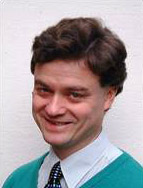
Karen GreenIn residence for: Second Term Research Abstract: Catharine Macaulay's Whig history of England was an influential response to David Hume's earlier more conservative interpretation of the events of the English Civil War. Macaulay looked back on the virtuous heroes of the Civil War and their battle for the right not to be taxed without representation with approval. The first volumes of her history were read in the US prior to the American Revolution, and it is arguable that it was an important source for the progressive interpretation of history which inspired many Americans. Macaulay represented 1688 as a lost opportunity for political reform, and urged the British Government to recognize the rights of the Americans in the years just prior to the Revolution. Later her 'Letters on Education' would significantly influence Mary Wollstonecraft. In this project I hope to deepen our understanding of Macaulay's place in the Radical Enlightenment through a thorough perusal of her letters, housed in various US Institutions, and in particular at the Gilder Lehrman Institute in New York. Only one biography of Macaulay exists, and it was written before this material was available. The aim of this research is to produce a monograph on Catharine Macaulay's life, political philosophy, and place in the radical enlightenment, and to develop as well as an account of her work a more accurate account of her place within the Radical Enlightenment in Great Britain. |
 |
Stephen HarrisonIn residence for: Second Term Research Abstract: This book of Horace's Odes is the subject of a classic scholarly commentary, Nisbet and Hubbard (1978) and a shorter student-oriented commentary by David West (1998). There is room for a commentary which is more modern and literary than the first, and fuller and more detailed than the second. I have been commissioned by CUP to write it. The commentary will have a full introduction, discussing issues of genre, metre, language, dating of Odes 2 and Odes 1-3, place in the poet's career, place in the context of Augustan poetry, sequence and ordering of poems in the book, addressees and philosophical affinities. The commentary will contain a new text of the book with limited apparatus criticus. The text will use existing collations of the principal MSS plus the new online Oslo repertory of Horatian conjectures to which I have early access. I use short introductory essays to identify the salient issues of literary interpretation for each poem as well as providing standard information: brief summary, evidence for date and historical context, structure (usually dividing the poem into blocks of stanzas), themes and texture, and intertexts (the main literary models). This allows the reader to navigate the commentary effectively and find things quickly. There will be a selective bibliography of important treatments for each poem (and the introduction will aim readers at the full modern bibliographies on Horace, both in print and online). The notes will pick out the essential literary parallels, establish linguistic usage by reference to the standard Oxford Latin Dictionary (not fully available for N&H) and standard grammars rather than exhaustive lists, and pay particular attention to resemblance of context as well as linguistic similarity. They will also pay more attention than N&H to features of linguistic and verbal structure, wordplay and etymology, metapoetry and narratology and literary nuance in general. Particular care will be taken to make reference to standard works that have appeared since N&H (e.g. the Lexicon Iconographicum Mythologiae Classicae for mythological parallels in visual art, perhaps previously underestimated). |
 |
Danian HuIn residence for: First Term Research Abstract: This is the first book project that seeks to study systematically the origin and development of the Chinese physicist community, including Western physicists serving in China over the last century. Remarkably, this was a century when China evolved from a scientific backwater to a world leader in research publications despite her grave suffering and repeated setbacks during many war-ridden and politically tumultuous years. This book will examine the socioeconomic and political situations that transformed Chinese physicists’ "opportunities and institutions, responsibilities and attitudes, [and] their power, status, and expectations," as Daniel Kevles has accomplished for American physicists. Meanwhile, it will also explore how these physicists have changed China through their introduction of revolutionary theories, devotion to scientific education and research, contributions to national industrialization and defense, dedication in the nuclear program, support to economic reforms, and promotion of democracy and human rights. My book intends to narrow the gap concerning physics in the third-world countries like China and contribute to the global studies of physicist community. Chinese physicists have evolved into arguably the most influential group of scientists in China after 1949. I will follow the life trajectories of many prominent Chinese physicists through these turbulent decades and attempt to understand and interpret their work and actions in the contemporary Chinese setting. Through analyzing the opportunities, restrictions, accomplishments, failures, and their causes in the development of Chinese physics, I hope this study will help identify the general characteristics of twentieth-century Chinese science. Benjamin Elman has recently pointed out, "If there has been one constant in China since the middle of the nineteenth century, it is that imperial reformers, early Republicans, Nationalist party cadres, and Chinese communists have all made science and technology a top priority." My investigation spanning all these periods in twentieth-century China is well suited for testing this inspiring "constant." |
 |
Jinhua JiaIn residence for: Second Term Research Abstract: This book project is the first full-length study of Daoist priestesses in Tang China (in English). It applies a multi-disciplinary approach of religious, literary, and women and gender studies, and brings to light many new texts, in order to explore how Tang Daoist priestesses realized their individual worth with achievements in religious leadership, theory, practice, and literature, through their negotiation with religious and social forces and norms. This project restores Daoist women to the landscape of medieval Chinese religious, facilitates a deeper understanding of Chinese religion and women's history, and sheds light on methodology and sources for the rising field of women, gender, and religion in general. |
 |
George KallanderIn residence for: Year Research Abstract: My project explores political identity and cultural practices in Korea’s Koryŏ dynasty (918-1392) to demonstrate how the peninsula was impacted by regional dynamics. Using examples of leisure activities such as the royal hunt, I show how vociferous debates among scholars about proper conduct stemmed from tensions surrounding Korea's contacts with regional and Eurasian empires. On the Korean peninsula, though political elites are documented as hunting in the earliest recorded histories, much like other leaders in Northeast Asia, Confucian scholars in the Koryŏ civil bureaucracy began forcefully denigrating the royal hunt in the first half of the dynasty. Rather than a frivolous pastime, however, I argue that it served as an important source of political power, legitimizing royal authority in the eyes of military elites, regional strongmen outside the capital, and Mongol imperial personnel. It also offers a space for male homosocial camaraderie that challenged the hierarchical structures of the Confucian bureaucratic worldview and threatened scholarly influence at the court. As a study of political transformation and cultural exchange, it shows that attention to seemingly insignificant practices such as hunting depicts how a multiplicity of cultural references existed in tension with each other and served as a battleground for defining elite masculinity. My project offers a fresh understanding of premodern Korean politics and society and Korean contact with the Mongol empire and Ming imperium. |
 |
Marion KatzIn residence for: Year Research Abstract: This project examines one aspect of the history of Islamic marriage contract and the gendered roles that it has been understood over the centuries to require, focusing particularly on the distinctive attitudes towards domestic labor and marital sex expressed by certain scholars of the fourteenth century. While historically Muslim jurists had generally seen housework as "statused" rather than gendered (with husbands responsible for the provision of domestic help in ways that largely reflected considerations of social prestige), these scholars began to argue with new vigor that domestic labor of some sort was obligatory even for elite wives, and was an expression of proper gender hierarchy within marriage. Their attitudes to marital sex, however, were more egalitarian. This study tries to place these developments within the broader social and religious context that informed these scholars’ approaches to labor, sex, and affect. |
 |
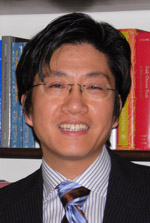
Geoffrey KhanIn residence for: Second Term Research Abstract: The site of Qasr Ibrim in Nubia has preserved a considerable amount of Arabic documentary material. This is datable to throughout the Islamic period. It includes an Arabic papyrus from the middle of the 2nd/8th century, documents from the medieval period and documents from the Ottoman period. The medieval Arabic documents from Ibrim can be classified into two main categories (i) legal documents and (ii) administrative correspondence with the Viceroy. The legal documents exhibit a formulaic archaism that reflects the peripheral position of Ibrim in the Islamic world. The letters cast light on the Sudan trade network, in which the Jewish merchants of the Genizah documents did not participate. The proposed project is to produce an edition and analysis of this important corpus of Arabic documents. |
 |
Guolong LaiIn residence for: Year Research Abstract: The prevalent international heritage discourse has been Eurocentric in its origin. But the different cultural, historical, and geographical contexts call for more context-specific approaches to heritage management. Situated in this background of the international debate on the validity of "international" conservation principles (such as the Venice Charter of 1964–the International Charter for the Conservation and Restoration of Monuments and Sites to give it full name) in non-Western context, this project explores the history of heritage conservation in China over the course of the twentieth century. Heritage conservation was introduced from the West as part of the modernization efforts of the late Qing dynasty (it fell in 1911). By focusing on the tension between traditional practices and Western methodologies, this study examines the vicissitudes of Chinese attitudes toward the past as revealed in conservation theories and practices, cultural legislation, and related intellectual debates. Not only did the concept of national heritage emerge with modernity, but modernity also compelled changes in how heritage was conceived and preserved. Bringing the Chinese case into the global heritage discourse, this study shows how a nation invents tradition and how conservation has intersected with politics. It is a multidisciplinary study that combines history, art history, archaeology, museology, art law, and intellectual history. By elucidating the conflict between China’s traditional practices and modern Western approaches, this project will teach us something about the more general relevance of Western approaches to conservation in non-Western settings. This will not only enrich the fields of heritage conservation and modern Chinese history by offering a pioneering and systematic approach to an important and timely topic, it will also enlarge Americans' understanding of China's heritage and its cultural policy, presenting a distinctive Chinese as well as East Asian perspective which is a valuable source for scholars and students and practitioners of heritage within and beyond the East Asian context. |
 |
Jon LendonIn residence for: Year Research Abstract: I propose to investigate the influence of education in rhetoric on decision-makers in the Roman empire. In the imperial centuries the education of young men of the ruling class was narrowly confined to public speaking. In a world without subsequent professional education, this education had a pervasive influence on how its recipients regarded the world, and so upon the decisions they made when they took positions of leadership in their own cities or in the imperial government. The book consists of four studies, the first investigating the influence on the real Roman law of the imaginary laws that gave pretexts for "declamation," the last stage of rhetorical training: judges sometimes applied those rhetorical laws to actual cases, and over time the emperors had to step in to forbid this, or simply incorporated the laws of declamation into the Roman law. The second examines the significance of the figure of the tyrant—a stock figure in declamation—to the conduct of Roman emperors: how the ceaselessly rehearsed characteristics of that stereotyped figure both repelled and attracted real emperors. Third, I argue for the influence of training in epideictic ("display") oratory on conceptions of the city in the eastern provinces of the Roman empire, arguing (for example) that those so educated came to exaggerate the civic water-supply as an aspect of their city's identity, and so to build the vast monumental fountains ("nymphaea") that are such characteristic structures of the cities of second- and early third-century Asia Minor. Finally, I show how that same training in epideictic rhetoric underlay a new imperial-period understanding of geographical and strategic territory, and so influenced Roman foreign policy, by encouraging the Romans to transfer their aggressive ambitions from the barbarian West to the East, against the Parthians and Persians. The ultimate aims of this project are to forge links between our understandings of Roman high culture and Roman government, subjects that have tended to be studied separately, and to deepen our understanding of the significance of formal education, in any society, to the actions of men and states. |
 |
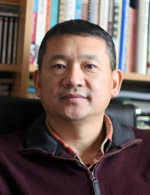
Vayos LiapisIn residence for: First Term Research Abstract: This project is expected to lead to a comprehensive view of the ramifications and interactions between the monetization of Greek society and contemporaneous patterns of thought, so far as they may be culled out from literary sources (esp. Solon, early tragedy, and Herodotus) and from the historical record. Fundamental and characteristic features of money may be argued to influence such seemingly unrelated areas as Greek ethics, conceptions of time, and history. In opposition to the reciprocity of gift-exchange, dominant in pre-monetized societies, money is impersonal and universal: it can be used for all sorts of commercial and monetary transactions, and is not exclusively associated with a specific interpersonal relation the way gifts are. Moreover, money is a homogenizing agent, insofar as all goods are liable to be exchanged for money. Finally, it is abstract and transcendent: having no use-value in and of itself, it can serve as a universal standard of value, one that both encompasses and transcends the individual commodities exchanged and the individual participants in any given transaction. The above characteristics of money, and related notions of monetary debt and repayment, can be shown to inform a variety of developments in archaic and early classical Greece. These include the notion of ancestral guilt (the belief that punishment for the sins of the ancestors may be visited upon their descendants) and the concomitant idea of moral transgression as monetary debt to be paid either by the perpetrator or, crucially, by his descendants. Moreover, the conception of time as a linear sequence of events can also be associated to the mechanics of monetary debt, which accumulates in direct proportion to the length of (linear) time during which it remains outstanding. Finally, early Greek historiography (esp. Herodotus), as well as relying on linear time, is also concerned with transgression and retaliation envisioned in terms of debt and repayment, and with the commensurability principle that must also underlie monetary exchange. |
 |
Xin LuoIn residence for: Year Research Abstract: In order to answer the question that how to understand the process of becoming Chinese of those peoples with a distinctive Inner Asian origin, the first step of my research is to re-investigate and re-evaluate the Inner-Asia-ness of the early medieval China, especially the Sixteen Kingdoms and the Northern Dynasties. The second step is to develop a new approach in using mono-linguistic written sources, which is Chinese sources, to reveal the true facets of the multi-linguistic societies. The third step is to outline the rise and down of identities, ethnic labels, and the varied ethnogenesis discourse of the Inner Asian peoples based on detailed case studies. On top of the foundation of the foregoing, hopefully we can bring to light the essence of becoming Chinese, which stands not for how powerful the Chinese civilization is, but for the truth that the civilization itself has been constantly created and recreated. |
 |
John MarincolaIn residence for: Second Term Research Abstract: The project that I am proposing for the Institute for Advanced Study is part of a larger project on which I am engaged, namely a comprehensive overview and analysis of the historical writing of the Greeks (and non-Greeks, including those Romans who wrote in Greek) during the period from the death of Alexander the Great in 323 BCE to the death of Cleopatra in 30 BCE. In the IAS project, I intend to study the use of the emotions in Hellenistic historiography with a particular (but not exclusive) focus on Polybius, Posidonius and Diodorus. In addition to describing and analysing the emotions portrayed or stimulated in the ancient historians' narratives, I am particularly interested in what connections there might be between the emotional engagement of the reader and the ‘learning’ that history was supposed to impart. To this end, I shall examine not only historical writing in the period but also the ways in which the emotions figured in the areas of Hellenistic literature more generally and, especially, in Hellenistic philosophy. |
 |
Sara McDougallIn residence for: Year Research Abstract: My book will examine the handling of adultery among nobles and bourgeois in multiple legal and cultural arenas in late-medieval Northern France. As I will argue, Christian teachings on marriage as expressed in fifteenth century Northern French culture transformed responses to adultery, but this transformation worked out differently at different levels of the social hierarchy. Royal and noble society had a far greater tolerance for adultery than found in bourgeois society, but both groups treated adulterous women and illegitimate children better than scholars have often assumed. Analysis of late-medieval Northern French court records and chronicles reveals that courts and husbands by and large responded to adultery by punishing other men. Courts across Northern France prosecuted adulterous men far more often than they prosecuted adulterous women. When cuckolded husbands killed, they killed their wives’ lovers and only rarely killed their adulterous wives. Meanwhile, preachers as well as authors of prose romance and advice manuals all urged that the best response to a wife's adultery was discretion, reconciliation, and forgiveness. Over the course of the century, however, jurists and religious reformers alike called for a return to the stricter punishments for adultery found in Roman Law. They also increasingly redefined adultery as a crime only when it involved a wife, thus exempting husbands from criminal prosecution for their extramarital affairs. As I argue, both the more forgiving and less tolerant attitudes towards adultery are bound up with two different idea of marriage. Late-medieval French judges understood marriage as an indissoluble sacrament. Whatever adultery a wife or husband might commit, the marriage remained intact and the spouses should reconcile. By the sixteenth century, legal humanists endorsed a more secular understanding of marriage, one the prioritized the protection of the patriline from illegitimate children and one that sought to bolster a husband’s authority over his wife as household head. |
 |
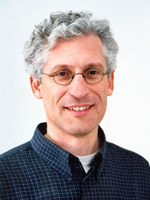
Alexander PottsIn residence for: Year Research Abstract: My book project, Picturing the Social in Modern Art: realist, naturalist and early modernist, re-examines the relationship between two major tendencies in later nineteenth and early twentieth century art that are commonly set in opposition to one another—a commitment to direct depiction of the material world, and a preoccupation with the internal constitution of the art of picturing. Conflict between these imperatives often erupted in critical discussion at the time. It also plays a key role in recent historiography with the polarity drawn between a conservative naturalism and more radical formal experimentation. The present study argues that this early phase of modern artistic culture is better understood if naturalist depiction and modernist auto-figuration are not seen as clearly distinct tendencies, but as existing in close, if often uneasy, relation with one another. Both played an active part in the cultural political concern that is central to this study, namely the powerful presence of serious social realist ambitions across almost all registers of art making. The case is made that the impulse to picture the social is a significant feature, not only of more overtly realist work, but also of artistic tendencies seen as proto-modernist, and persists in the figurative modernism that emerged after the breakdown of nineteenth century cultural norms in the earlier twentieth century. |
 |
Jonathan PriceIn residence for: First Term Research Abstract: The project is to create a comprehensive, scientifically edited, analytical corpus of the more than 600 inscriptions from ancient synagogues, in all languages and in all locations, dating from the first through the eighth centuries CE. The corpus will include unpublished inscriptions; published texts will all be re-edited (and autopsied when possible). Inscriptions and groups of inscriptions will be explicated and contextualized by means of a comparative epigraphic and historical commentary. This commentary will reveal above all the connection of each inscription or group of inscriptions, based on their form and content, to the local (non-Jewish) epigraphic culture. From the compiled data and analysis, it will be possible to offer a more grounded understanding of Jewish epigraphic practices. The database is currently under construction, with about 500 texts already entered and preliminarily edited (text, bibliography, notes for commentary). All relevant texts will be entered in some form by the end of the academic year, and substantial progress made on the historical parts of the commentaries. I propose to use my time at the IAS to work on the comparative parts of the commentary: placing each Jewish inscription in its local epigraphic culture. |
 |
Nicole ReinhardtIn residence for: Year Research Abstract: This project explores the notion of 'counsel of conscience' in early modern politics through the rise and fall of royal confessors as counsellors in Spain and France in the seventeenth century. Scholarship so far has concentrated mainly on the role of royal favourites as counsellors, but the parallel rise of royal confessors, integral to the process of Catholic Reform, has been either neglected, or misrepresented in manipulative terms. My study takes the notion of ‘counsel of conscience' seriously and assesses its intellectual, religious and political significance. Comparing France and Spain is elucidating as these two competing kingdoms offered contrasting models of early modern Catholic statecraft. The hypothesis is that during the confessional and political struggles of the sixteenth and seventeenth century, the notion of 'royal conscience' was transformed from a political and public conscience into a private and absolute one, which in turn promoted, what Weber called, an of ethics of responsibility over an ethics of conviction. Hence, through the prism of 'counsel of conscience' the study engages with fundamental modernization paradigms such as the emergence of 'absolutism', individualisation and the division of public and private. Putting theological and religious dimensions back into political theory and practice, this project sheds new light, not only on the importance of counselling for early modern statecraft, but also on the reconfiguration of normative frameworks underlying them. To achieve this it draws on a variety of source types (moral theology, political thought, council minutes, pamphlet literature) that reconnect the normative frameworks with the practices on the ground, showing that they need to be read together to be fully understood. The project is under contract with Oxford University Press for a major monograph. During my stay in Princeton I want to focus on the comparison of counselling institutions and on sample cases of counselling practices. |
 |
Teemu RuskolaIn residence for: Year Research Abstract: This project will examine the history of the introduction of Western international law in China and analyze the implications of that history for the theory and politics of international law. The political and intellectual history of international law has emerged as an important field of study in recent years. It is also evident that no understanding of the modern world is complete without consideration of China's place in it. However, studies of international law approach the topic almost exclusively from the vantage point of Europe, with China at best as an example—or a negative counter-example—illustrating a more central point. At the same time, while scholars in Chinese studies have increasingly begun to pay attention to international law, they lack the legal expertise to make it their central focus and are often encumbered by disciplinary constraints that make it difficult to analyze China in a truly global frame. In short, despite the urgency and importance of the topic, to date there is no sustained historical as well analytic treatment of China’s role and place in the making of modern international law. This project undertakes to fill that gap, using a broadly humanistic approach to a topic that is too often treated in a technical and narrowly disciplinary manner. |
 |
Patrick SängerIn residence for: First Term Research Abstract: Politeumata are predominantly attested in the documentary sources from Egypt. They appear during the reign of the Ptolemies and occasionally can be found still in Roman times on the territory of the former Ptolemaic kingdom. In Egypt we know politeumata of Boeotians, Cilicians, Idumaeans, Jews, Cretans, Phrygians and Lycians. These groups probably formed semi-autonomous communities in a certain quarter of a town. This important assessment is based on twenty papyri which were published in the year 2001 and document a Jewish politeuma in Herakleopolis between 144/3 and 133/2 BCE (P.Polit.Iud.). These papyri put an end to the traditional and controversial debate regarding whether a politeuma was a private association or an organisation of persons with a kind of political autonomy. They are also of particular interest because they show that the archons (and the presiding politarches), who governed the Jewish politeuma, were approached by means of petitions in order to secure the demands of the petitioners ordinarily in private legal disputes between Jews. Concerning the judicial competences of the Jewish archons, research up so far mainly used P.Polit.Iud. to define the administrative nature of the politeumata, to sketch the character of the archons' jurisdiction as 'Beamtenjustiz', and to categorize this jurisdiction as a kind of 'Sondergerichtsbarkeit'. The combination of 'Beamtenjustiz' and 'Sondergerichtsbarkeit', however, raises many questions. In order to obtain a satisfactory evaluation of the role the politeumata played in the system of the Ptolemaic jurisdiction, the intended research at the IAS aims at the first systematic and comprehensive historical analysis of the jurisdiction within the form of organisation politeuma. This analysis should be composed of three studies: First, a comparative assessment of the procedure displayed by the petitions of P.Polit.Iud.; second, a summarizing analysis of the importance Jewish legal conceptions had for the petitioners; third, considerations on the roots of the jurisdiction of the politeumata. |
 |
William SchmidliIn residence for: Year Research Abstract: Utilizing multi-archival, multi-national research, my project aims to make a major contribution to our understanding of the Reagan Administration's Cold War policy. On one level, my research indicates that the Reagan team sought to utilize the discourse of representative democracy and free market capitalism to drum up support at home and abroad for policies aimed at reversing perceived communist advances, particularly in Latin America. On another level, I argue that over the course of the 1980s, human rights gained traction as a legitimate foreign policy goal within the Washington bureaucracy in general, and among U.S. Foreign Service personnel in particular. As a result, important arenas for cooperation opened up for U.S. diplomats, human rights NGOs, concerned members of Congress, and their counterparts in the developing world. Focused on pursuing Cold War goals, the Reagan Administration nonetheless underwent a substantive evolution in thinking on democracy promotion over the course of the 1980s. |
 |
Edward SchoolmanIn residence for: Year Research Abstract: During the ninth, tenth, and eleventh centuries, northern Italy underwent stunning demographic and political changes with the wholesale immigration of German elites, the alternating cohesion and fracture of political unity under regional kings and foreign emperors, and the consolidation of power through the exchanges of land and property between religious and aristocratic groups. Through the lens of the family and descendants of Hucbald, a German noble who travels to Italy to join the retinue of the Emperor Louis II in the 850s, this project examines issues ranging from the construction and creation of new identities to the role of women in memory and property to the strategies used in the maintenance of family aristocratic power over the course of two centuries using a wide range of sources including donations, court records, and medieval chronicles and histories. Hucbald's descendants established themselves in both Tuscany and Emilia- Romagna, and became integrated into the local aristocracies, yet continued to maintain close connections with other German immigrants through marriage alliances. Through these topics, the family acts as a template for understanding the changing ethnic, social, and political composition of northern Italy from the end of the reign of Charlemagne through the eleventh century. The final product of this research will not only be useful in demonstrating large-scale demographical and historical shifts through the prism of a single family, but also provide the framework for a number of cross-disciplinary investigations into issues not centered specifically on Italy or this period, including the flexibility of identity, the creation and maintenance of local aristocratic networks, and the role of women in the transfer of land both as actors and as those memorialized. |
 |
Richard VanNess SimmonsIn residence for: Second Term Research Abstract: This project will investigate the history of Mandarin and compile a comprehensive picture of the language from its earliest appearance to the present, both with regard to the history of the Mandarin dialects and to the evolution of the standard written and spoken language of China. The standard language of today's China is most commonly referred to as Mandarin. Conventional understanding assumes that Mandarin is the language of Beijing and that Beijing has served as the basis for the standard language for a long time. But in fact Beijing is not the origin of the modern standard written language and the city's dialect was not the basis for the language commonly used for interregional oral communication in imperial times, even when Beijing was the capital. Modern Standard Chinese is a Mandarin-based language; but as a technical term ’Mandarin’ encompasses much more. This study will consider what Mandarin is and how to characterize it. It will discuss what all the various forms of Mandarin share in common and where they differ. This will include a consideration of early Mandarin, the historical language of officials (Guanhua), the early written colloquial of the Ming novels known as Baihua, the modern standard language and the many varieties thereof, as Putonghua, Guoyu, and regional Mandarins. The project will undertake detailed research into the history and characteristics of all these types and how they fit in with Mandarin dialect varieties, including northeastern, southwestern, northwestern, Jiang-Huai (southeastern), and central varieties. This will include a look at the intertwined evolution of all the various Mandarin types and the historical, literary, and geographical forces that shaped them, from Hangzhou as a specimen of Song period Mandarin and seedbed for the emergence of vernacular literature, through Ming period Nanjing as the prestige dialect of Ming and Qing, and to the rise of Beijing as the pronunciation standard in the late imperial and early Republican periods. The resulting monograph will fill a need for an accurate picture of the nature and genesis of one of the most widely used languages of the modern world. |
 |
Amy SingerIn residence for: Year Research Abstract: Edirne (Adrianople) thrived as an Ottoman capital from the 14th until the early 18th century, a prosperous political, military and cultural center. Among the largest cities of the empire, with a multi-confessional population, Edirne was a hub for trade, transport and communications routes through the city overland and on the Meriç river. Yet modern historiography has neglected this Thracian city, a distorting lacuna given its enduring importance. Despite its prominent role in Ottoman history, Edirne has attracted little attention as a subject of historical research, especially when compared with its predecessor, Bursa, and its dazzling successor, Istanbul. Although there are cogent reasons for this lacuna, it distorts both general analyses of the empire and omits an important case from more topical research into every aspect of Ottoman history. The present project takes up the study of Ottoman Edirne, beginning with its formative period, including the years it served as the official Ottoman capital (to 1458), and until the completion of its most important monuments, most notably the iconic Selimiye mosque (1574) which dominates the local skyline. The mosque reflects the enduring centrality of Edirne as an Ottoman imperial center; at the same time, it distorts any organic interpretation of the city in the two centuries before its construction. This study aims to understand the specific nature and roles of Edirne. Concurrently, it sheds light on Bursa and Istanbul, and on the interactions between Anatolia and the Balkans. Historical sources for the study of Edirne include imperial Ottoman documents, local judicial and community records, chronicles, literary compositions; travel accounts by Ottomans and foreigners, and diplomatic reports all contain written and sometimes illustrated evidence. There are extensive physical remains of Ottoman Edirne. Along with more familiar historical methods of analyzing these sources, this study incorporates the technical capacities of Geographic Information Systems (GIS) to analyze digitized historical data and include space as an integral variable in the interpretation of historical change. |
 |
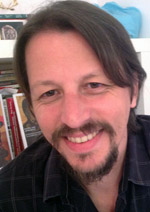
Nader SohrabiIn residence for: Year Research Abstract: What caused the demise of the Ottoman Empire? My title "Gens or Guns" communicates succinctly an unresolved question about the causes of the breakdown of the empire. Was it nationalism or war? Unlike previous studies I argue that it was the interaction between the two that proved explosive. Nationalism by itself did not bring down the empire in the course of a decade. Yet, without nationalism, it was hard to imagine the outbreak of Balkan Wars, and without the Balkan Wars it was hard to imagine the Ottoman decision to join the Great War on the German side. Nationalism came first, the Balkan Wars followed, and that in turn further intensified nationalism. These developments informed the Ottoman decision to enter the Great War and to do so on the German side. The outcome proved disastrous. |
 |
Vlada StankovicIn residence for: Year Research Abstract: The political principles upon which the influence of Byzantine Empire spread over the vast region of southeastern Europe changed radically at the outset of the 12th century, when Emperor Alexios I Komnenos married his eldest son and co-ruler John to the Hungarian princess Piroshka-Eirene. By choosing a foreign-born princess as the future Empress, Alexios Komnenos set a precedent in Byzantine politics and the Empire's relations with the outside world, acknowledging the political reality of his time. At the same time, the Emperor laid down the new principle that would be followed by generations of his successors in the Byzantine world during the two centuries that followed: in order to maintain Constantinople's dominance over southeastern Europe, the creation of an ever-spreading web of relatives and the inclusion of the strongest and the most prominent foreign rulers within the imperial family was deemed necessary, while maintaining the emperor himself as the leader of this peculiar government of kinsmen. Instead of domination through sheer military power – no longer possible from the late 11th century onward – the dominance of Constantinople now lay in its ability to establish and control the political aristocracy in southeastern Europe in the 12th and 13th century, an aristocracy created at the incentive of the Emperor through marriage alliances of Byzantine princess and princesses with foreign rulers or ambitious aspirants that had the backing of Constantinople. This new political paradigm created a web of relatives throughout southeastern Europe, from Byzantium, Hungary and Bulgaria to Serbia, South Italy and the Mongolian Golden Horde, whose interconnections and relations dominated the Balkans in the 12th and 13th century, remaining, nevertheless, rarely recognized in modern scholarship and only superficially analyzed. This project examines that interconnectivity of the political elite in southeastern Europe in the 12th and 13th century through the strong familial ties that bonded them together and influenced their policies, behavior, and deeds in a measure much greater than recognized. |
 |
Owen StanwoodIn residence for: Year Research Abstract: During the seventeenth and eighteenth centuries Huguenot refugees played a disproportionate role in imperial projects. My book follows these refugees from France to communities in the Americas, Africa, and Asia, showing how Huguenots attempted to found their own distinct communities in new worlds, but ended up in the service of foreign empires, especially Britain and the Netherlands. In particular, imperial officials attempted to use the refugees to settle strategic territories and expand their economies by making products like silk and wine. The story allows demonstrates that while the transnational Huguenot network had great influence, historians should not discount the power of states and empires to direct the movement of early modern people. |
 |
Andrea SterkIn residence for: First Term Research Abstract: This project explores one dimension of the complex relationship between religion and empire in world history: the role of eastern Christian mission in Late Antiquity and the early Middle Ages. The period from 300 to 900 was critical for the expansion of world religions, which were used to help unify and justify world empires. Meanwhile religious beliefs provided motivation to challenge or resist imperial power. My geographical focus is a broad area encompassing the southwest Asia, northeast Africa, and eastern Europe, a region that has been called the First Byzantine Commonwealth. In the period I study large parts of this territory were Christianized by eastern missionaries in diverse relationships with late Roman or Byzantine imperial rule. I will examine both the notion and the practice of Christian mission in and along the extensive frontiers of the East Roman Empire. Within the broader framework of Byzantine political and diplomatic history, this study will focus on direct agents of mission—whether monks, merchants, scholars, women, or captives—rather than the imperial and ecclesiastical authorities who may have sponsored them. It will attempt to assess various forms of mission "from below" rather than present a more typical narrative of Byzantine imperial mission. I will argue that underlying religious ideals and motivations, complemented by better known imperial ambitions, help to explain the dynamics of Byzantine Christianity and its relations with cultural and religious siblings along its borders. Scholarship on pre-modern Christianity has long been preoccupied with western Christendom, and the regions and peoples I cover receive scant attention. My project aims to reorient perspectives in this regard and add nuance to reigning scholarly paradigms of mission and conversion in the Christian East. |
 |
Wendy SwartzIn residence for: Year Research Abstract: Early medieval China bore witness to an unprecedented proliferation in the body of literary sources and an increasing interconnectedness of not only different intellectual repertoires (e.g. Confucian, Lao-Zhuang, and Buddhist) but also different branches of learning (e.g. philosophy, poetry). Intertextuality thus has special significance and ramifications for this period in light of the fluid boundaries of textual traditions and the dynamic interactions among diverse, expanding repertoires of literary and cultural meanings. During the third and fourth centuries, Chinese literary men drew extensively from a set of philosophical classics, in particular the Laozi, Zhuangzi, and Classic of Changes (later collectively known as the Three Mysterious Texts), and their respective commentaries, to express their positions in conversation or in writing on major issues ranging from politics to nature to human behavior. My book project, whose working title is "The Intertextual Brush: Reading Philosophy and Writing Poetry in Early Medieval China," will examine major cases of deliberate and legitimating intertextuality and consider how writers best made use of diverse, heterogeneous sources suited to their needs. My research aims to elucidate both reading and writing practices of early medieval China, as well as assumptions about literary production and interpretation in classical Chinese poetry. There are hardly any works that conceptualize intertextuality as a literary-historical problem or examine reading and writing practices in pre-modern China, though there is a rich body of research on these subjects in the context of western literature and history. I hope that my work will contribute to a fuller understanding of the history of reading and writing in China and the world. |
 |
Emily ThompsonIn residence for: Year Research Abstract: "Sound Effects" is a historical examination of the nature of both technological and artistic creativity in the American film industry during the transition from silent to sound motion pictures, circa 1925-1933. It explores how creative hybrids—people, practices, and technologies—were deployed to effect this fundamental transformation of a large-scale industry. Craft practices—of musicians, sound engineers, editors, and projectionists—as well as the often disruptive social practice of their livelihoods will be explored, giving voice to the many working men and women who brought about a creative and industrial revolution. |
 |
Stephen TracyIn residence for: Long-term Visitor Research Abstract: I am currently helping English and Australian colleagues prepare a new edition of Athenian decrees of the late fourth to third centuries BC. I am also working on Athenian letter cutting of the second half of the fifth century BC and on the hands of the so-called Athenian Tribute Lists. *First Term |
 |
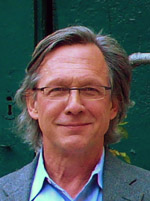
Moulie VidasIn residence for: Year Research Abstract: This project examines the emergence of Talmudic culture in third- and fourth century Palestine. The book argues that this period—traditionally termed "Amoraic," in contrast with the earlier "Tannaitic" period—saw wide-ranging transformations in both the configuration and value of rabbinic scholarly practices; that these transformations resulted in the production of the first Talmud, the Yerushalmi; and that these developments should to be seen in connection with other scholarly traditions of late antiquity. |
 |
K. Steven VincentIn residence for: First Term Research Abstract: Élie Hal’evy (1870-1937) is known to Anglo-American scholars for his histories of Utilitarianism and nineteenth century England; and famous with French scholars for his connection with the Revue de métaphysique et de morale, his defense of Alfred Dreyfus, and his history of European socialism. He is well-known in both contexts for his early criticism of post-World War I radical movements on the Right and Left. My project is a deeply contextualized intellectual biography of Hal’evy. My book will trace the evolution of an important French sociopolitical tradition (that includes, most famously, Montesquieu, Constant, Tocquevile, Taine) as it confronted the sociological and psychological breakthroughs of late-nineteenth century thought, the trauma of WWI, and the crisis of interwar European politics. |
 |
Thomas WallnigIn residence for: Second Term Research Abstract: The past years have witnessed ongoing discussion about the relationship between "Religion" and "Enlightenment", but also a new awareness of the "critical revolution" (Jonathan Israel) contemporaneous and interacting with the "scientific revolution" in natural philosophy and its neighboring disciplines. While considerable progress has been made in understanding the intellectual history of Western Europe, the scholarly milieus of Catholic Central Europe and the networks of learned clergymen and their research endeavors have been only scarcely studied thus far. This may be due, among other things, to the fact that for a long period these milieus were dominated by exclusively Latin textual scholarship which at the same time, however, was affected by a large number of little known debates and literary struggles. From a praxeological point of view, these conflicts offer the key to a new understanding of these complex and often contradictory intellectual developments beyond the narrative of modernization. The proposed research therefore aims at continuing a path initiated e.g. by Ivo Cerman, David Sorkin, and in particular Ulrich Lehner, who have not only (re-)integrated Catholic scholars into the overall concept of European Enlightenment(s), but have thereby also created a common ground of discussion between differing historiographic traditions with diverse narratives of modernity. Focusing on Benedictine scholarship of the late 17th and early 18th century in the southern parts of the Holy Roman Empire, the proposed research aims at discussing at a general level the terminological, epistemological and methodological difficulties that arise when learned monks appear to become "enlightened". |
 |
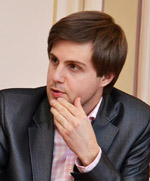
Xi WangIn residence for: Year Research Abstract: Xi Wang is a research assistant to Professor Nicola Di Cosmo. She is studying the history of the relations between Mongolian and Manchu from 17th to 18th century. Her research is also affiliated with a National Science Foundation Research Project: Climate change in Mongolia in 12th and 13th century. |
 |
Mykhaylo YakubovychIn residence for: First Term Research Abstract: In contrast to the previous studies on the history of Islamic Philosophy, nowadays many scholars pay significant attention to the issues of Post-Classical period of the Islamic intellectual development (meaning the time between thirteenth/fourteenth and eighteenth/nineteenth centuries). Apart from the traditional centers of Islamic religious and philosophical learning (Cairo, Damascus, Baghdad), in Post-Classical period of Islamic history many new centers of knowledge appeared. This is clear when one considers the number of existing philosophical, logical and exegetical works, written by the authors from Transoxania, Khorasan and Anatolia; all these traditions made a path for further development of science in the Ottoman Empire, especially during its "Golden Age" in fifteenth and sixteenth century. One of the most interesting regions where the Islamic intellectual tradition made its way in Post-Classical period, is the Crimean peninsula, including the southern part of the present-day Ukraine (also denoted as Qirīm in some Arabic and Ottoman sources). Unfortunately, this part of Islamic intellectual history has been almost completely neglected in scholarly studies. Using the variety of sources (mostly manuscripts), the final goal of our research is to reconstruct the whole picture of the Islamic intellectual life in Crimea. Taking into consideration the most developed "religious" and "rational" sciences in this region, usul al-fiqh (hermeneutics) tasawwuf (mysticism) and kalam. It must be shown, that the very origins of the Islamic intellectual tradition in Crimea go back to thirteenth/fourteenth century. Although just a few sources cover this issue, there are enough documents to track these traditions in their cultural and political context. That is, the Islamization of the Golden Horde, which finally took place in the first half of the fourteenth century. Unfortunately, this part of Islamic intellectual history has been largely neglected by the scholars of Islamic Philosophy (as well as the Post-Classical period of Islam in general). |