Scholars 2025-2026
Visitors
Ingrid Becker - Term 2
Cathy Davidson - Term 1
Anne-Claire Defossez
Jenny Earle
Ana Grondona - Term 2
David Kazanjian - Term 2
Scott MacLochlainn
Justine Pila
Philipp Rehm
Ravideep Sethi - Term 2
Julieta Suárez-Cao - Term 1
Research Associates
Science, Technology, and Social Values Lab
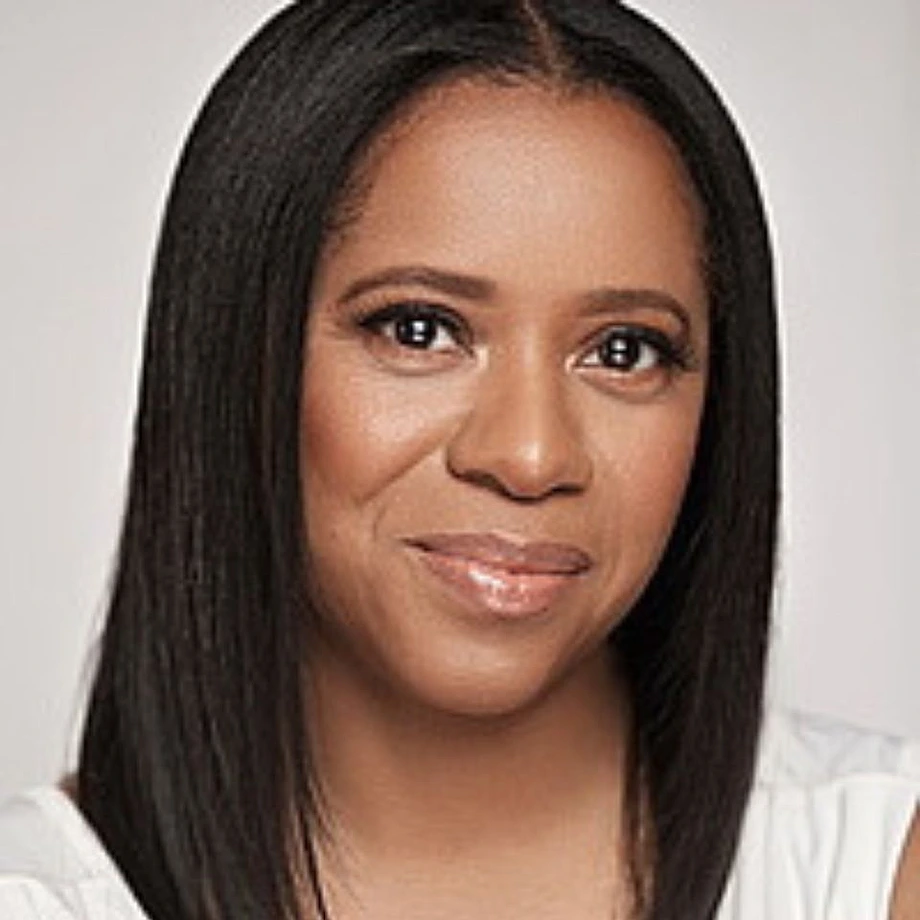
Carina Albrecht
Tatiana Carayannis
Christine Custis
Members
Fernando Brancoli
Federal University of Rio de Janeiro
Political Science / International Relations
[email protected]
Fernando Brancoli is Associate Professor of International Relations at UFRJ, Brazil. He was a Program Fellow at the GLD Institute, University of Gothenburg (2024), and serves on the Board of Security in Context. Since 2015, he has been a Researcher at the Orfalea Center, UC Santa Barbara. With a background as an award-winning journalist and humanitarian specialist in conflict zones, at IAS he examines global peripheralization through the Amazon, focusing on neoextractivism, state crisis, and governance.
Martín Cortés
Consejo Nacional de Investigaciones Científicas y Técnicas
Political Theory
[email protected]
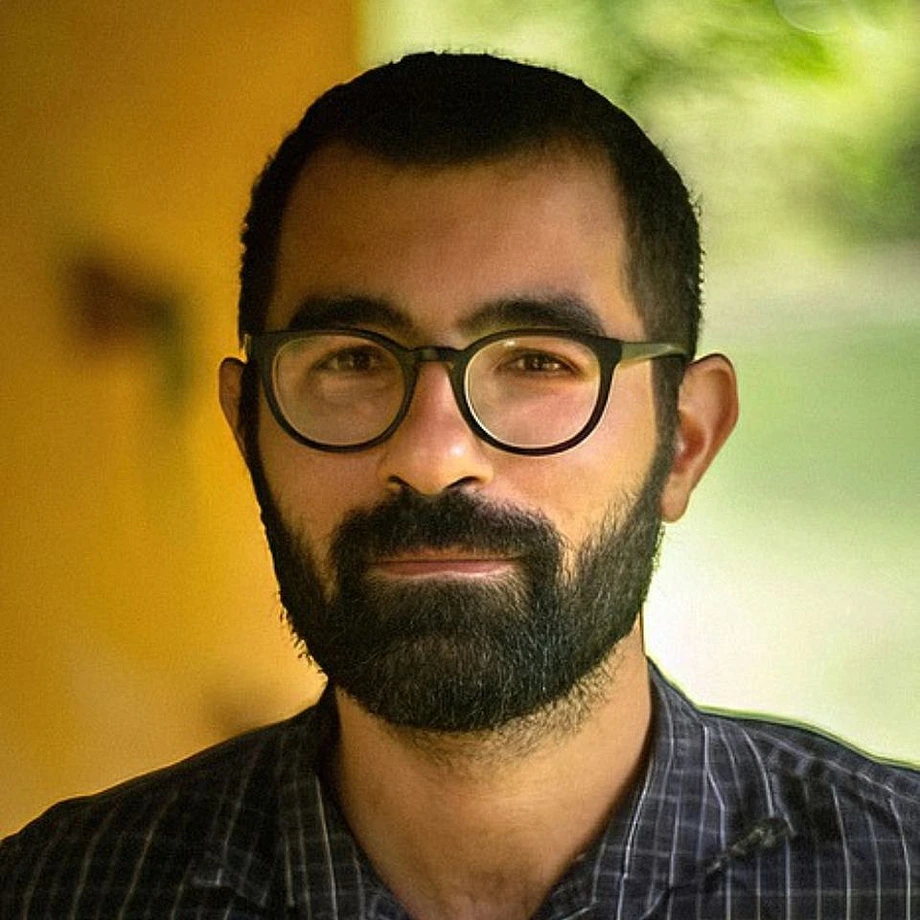
Martín Cortés’s research focuses on political theory, intellectual history, and the history of the left. He examines key contributions of Latin American Marxism, including critiques of linear time, the relation between class and political subjectivity, and the national question. At IAS, he will study “non-Western Marxisms,” analyzing links between Latin American thought and other traditions from the capitalist periphery, such as the Caribbean, Africa, and Asia.
Molly Crockett
Princeton University
Cognitive Science
[email protected]
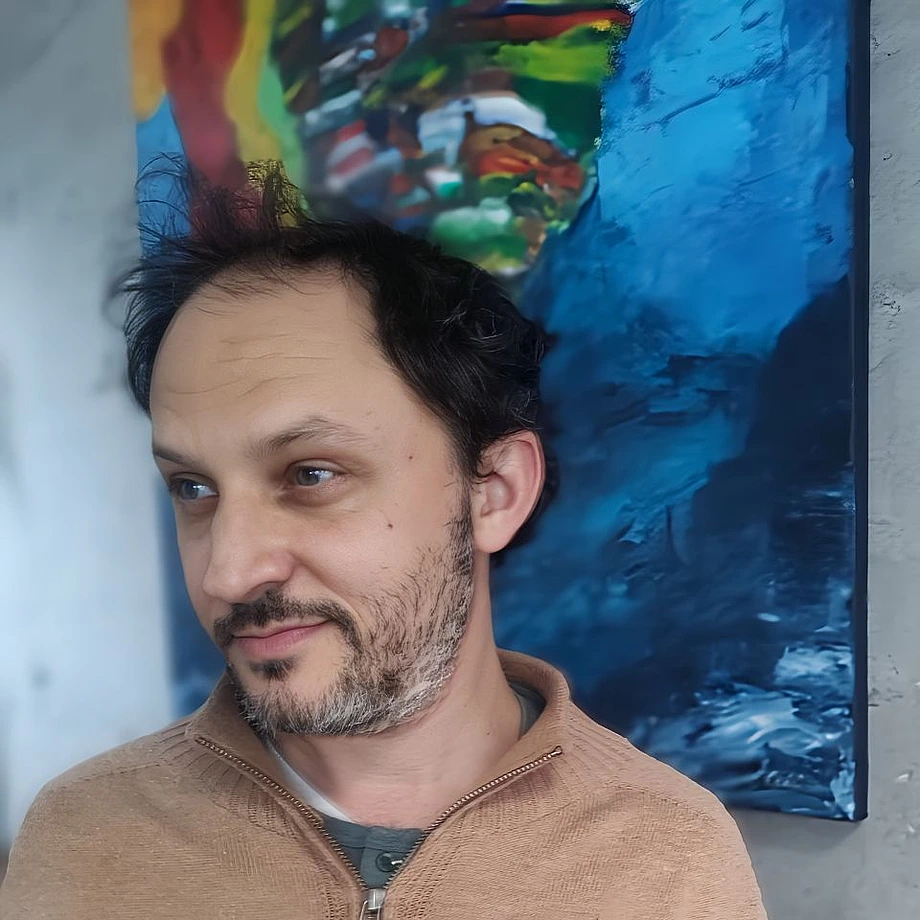
Molly Crockett is a cognitive scientist studying how technologies shape social cognition and knowledge production. At the IAS, they will explore how artificial intelligence research is shifting collective understandings of human cognition.
Taylor Cruz
Northeastern University
Sociology of Science, Technology, and Medicine
[email protected]
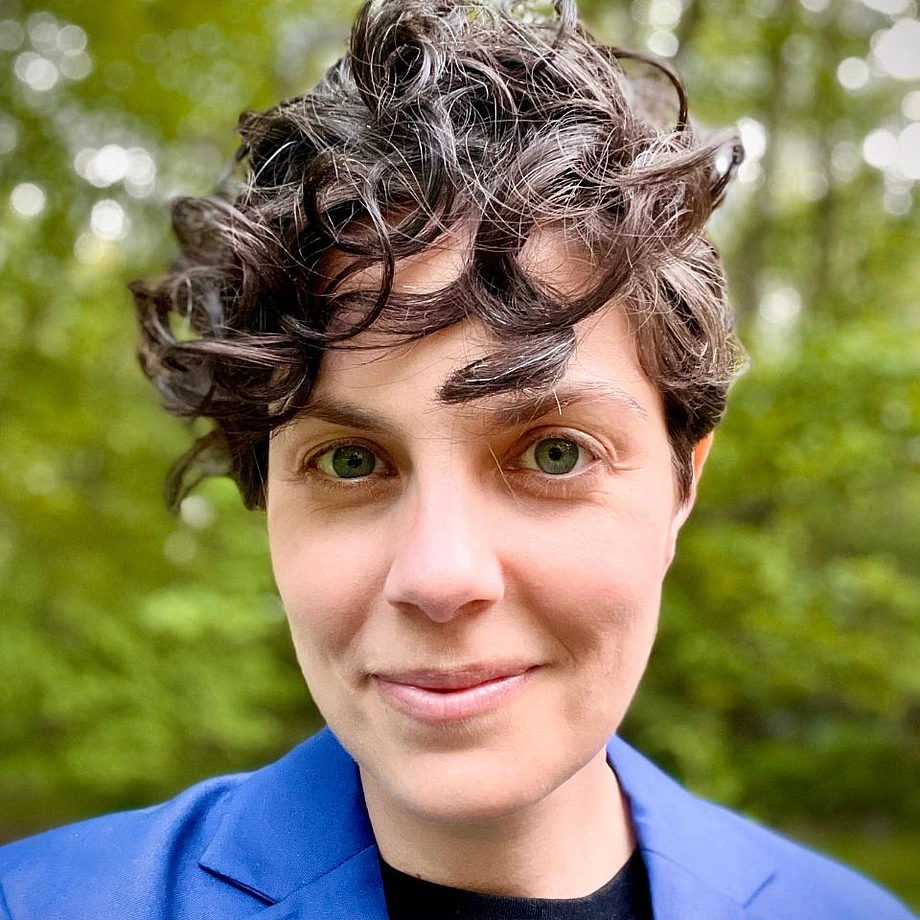
Taylor M. Cruz studies the societal dimensions of emerging technologies in United States biomedicine. While at IAS, she will conduct research on how investments in data analytics are transforming care in the digital safety-net.
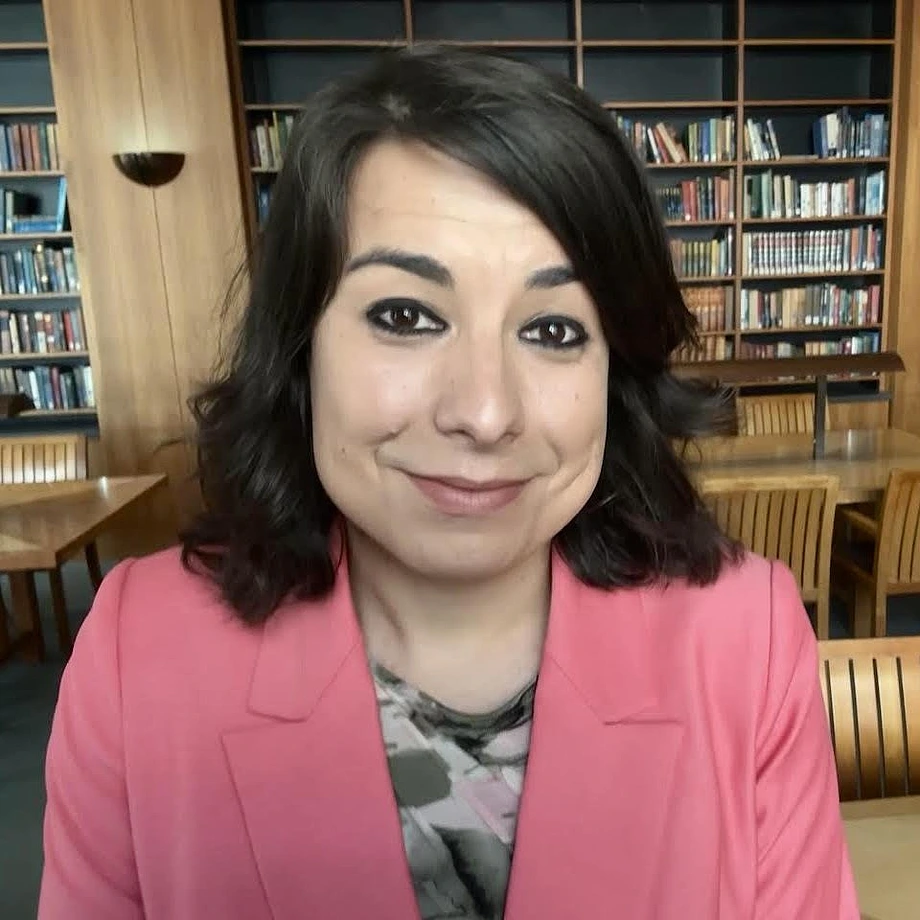
Gastón Gordillo
University of British Columbia
Anthropology
[email protected]
While at IAS, Gastón Gordillo is working to complete a book manuscript on how perceptions of whiteness in Argentina are defined by the sense of being under siege by racialized multitudes. In particular, the book analyzes how historically and in the present the middle-classes and the elites fear crowds of working-class people as if they signaled the return of the “Indian hordes” that until the late 1800s controlled half of Argentina.
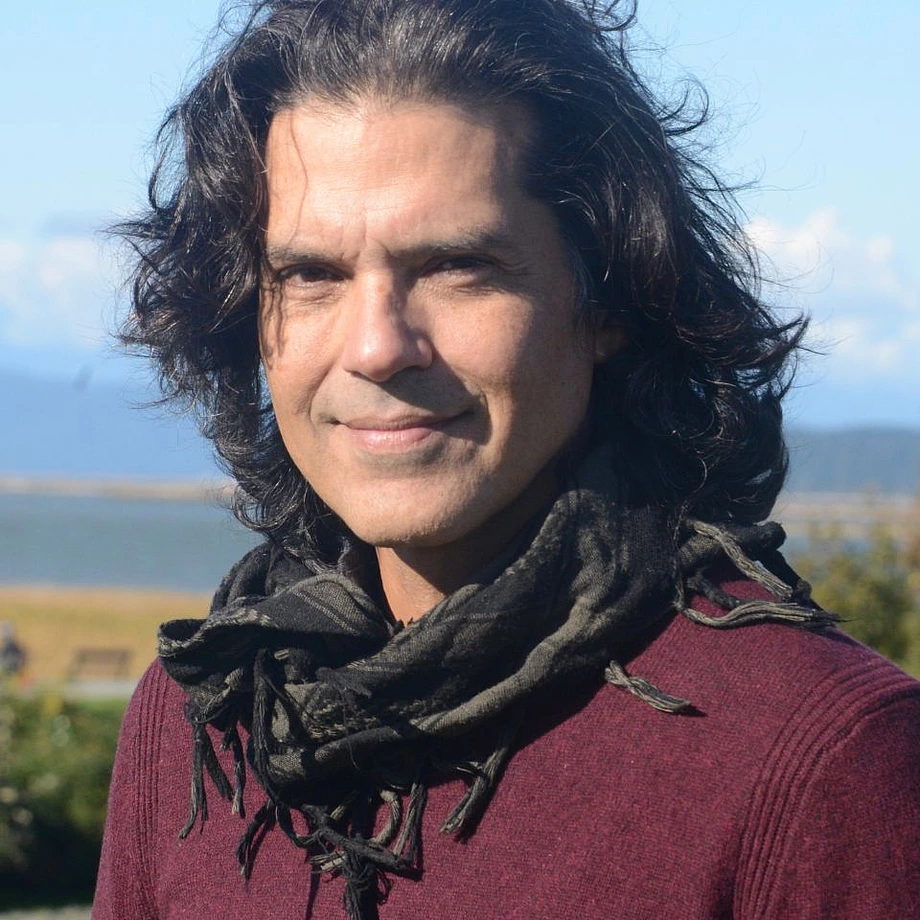
Sarah Jackson
University of Pennsylvania
Communication Studies
[email protected]
Sarah J. Jackson studies how media, journalism, and technology are used by and represent marginalized publics, with a focus on the contributions of Black, feminist, and activist communities to U.S. politics and culture. While at IAS, she will consider how digital theory and African American history are interlinked in questions of virality, migration, and the refutation of pseudoscience.
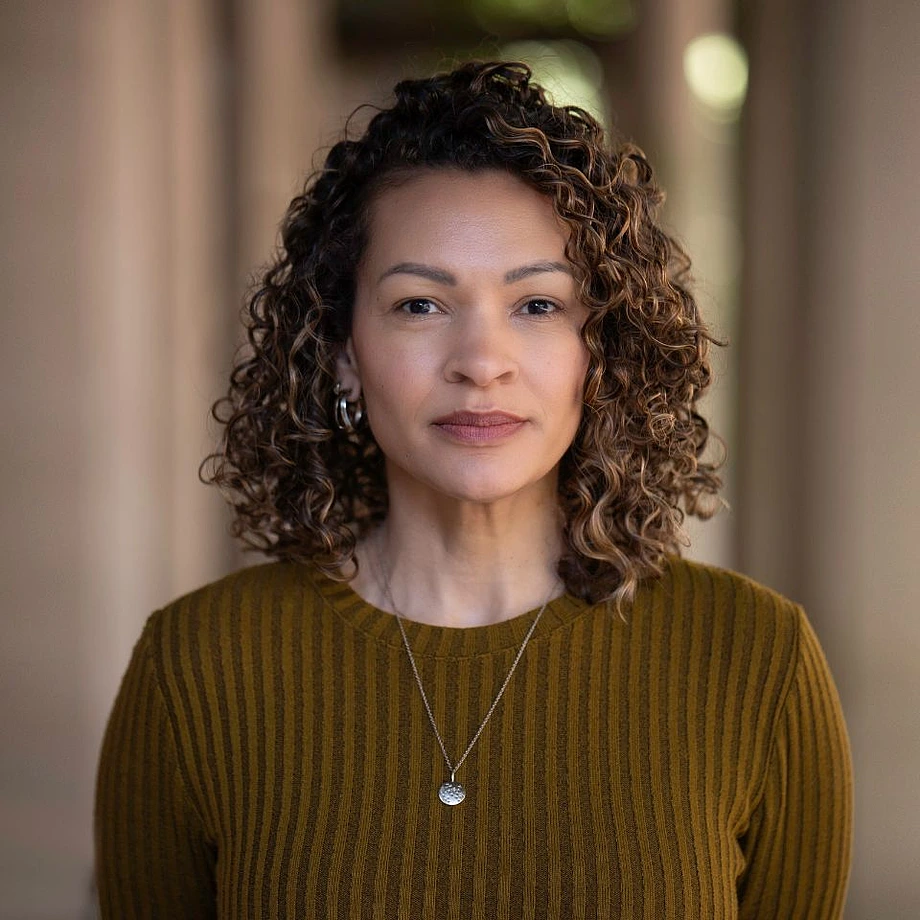
Peniel Joseph
University of Texas at Austin
20th-century American History
[email protected]
Peniel Joseph's project, "Witness: James Baldwin's 1963," examines the way in which the writer's discourse of race, democracy, and citizenship altered global discourse on dignity and freedom in the epochal year of the March On Washington, Birmingham, the 16th Street Baptist Church bombings, and the assassinations of civil rights leader Medgar Evers and President John F. Kennedy.
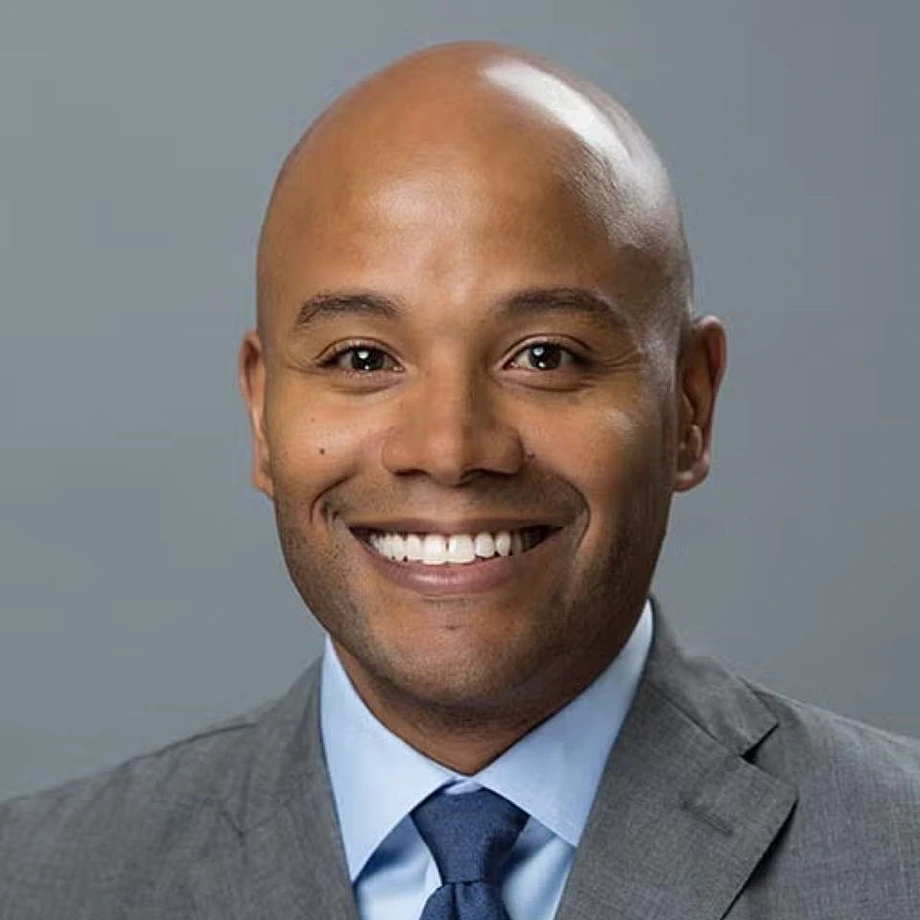
Lilian Mathieu
Centre national de la recherche scientifique (CNRS)
Political Sociology
[email protected]
Lilian Mathieu's project examines how Argentine artists and intellectuals adapted to, and sometimes challenged, a context of censorship, coercion and state terror during the last military dictatorship (1976-1983).
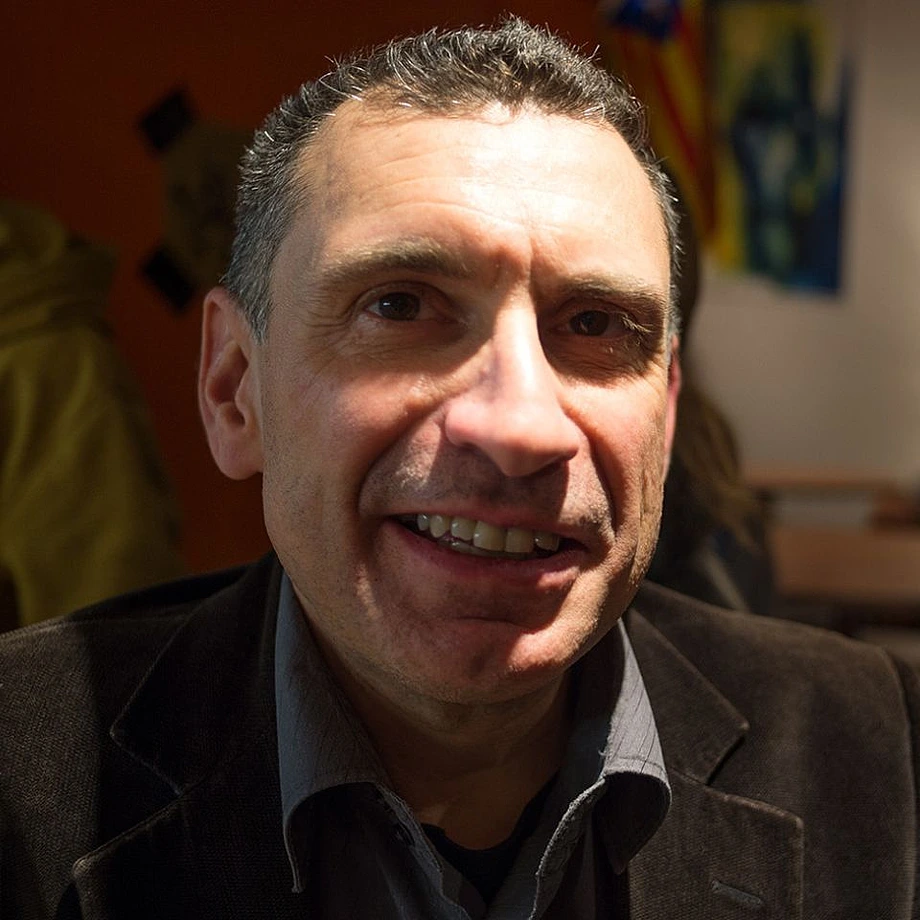
Sabine Mohamed
Johns Hopkins University
Anthropology
[email protected]
Sabine Mohamed's research is focused on infrastructure, political economy, race, citizenship, and empire. While at IAS, she will be working on her first book, “Losing Ground: Emergent Black Empire and Counter-Futures in Urban Ethiopia”, which ethnographically explores how categories of blackness and race, as well as experiences of urban and national dispossession, are attached to an infrastructure of emergent empire in East Africa.
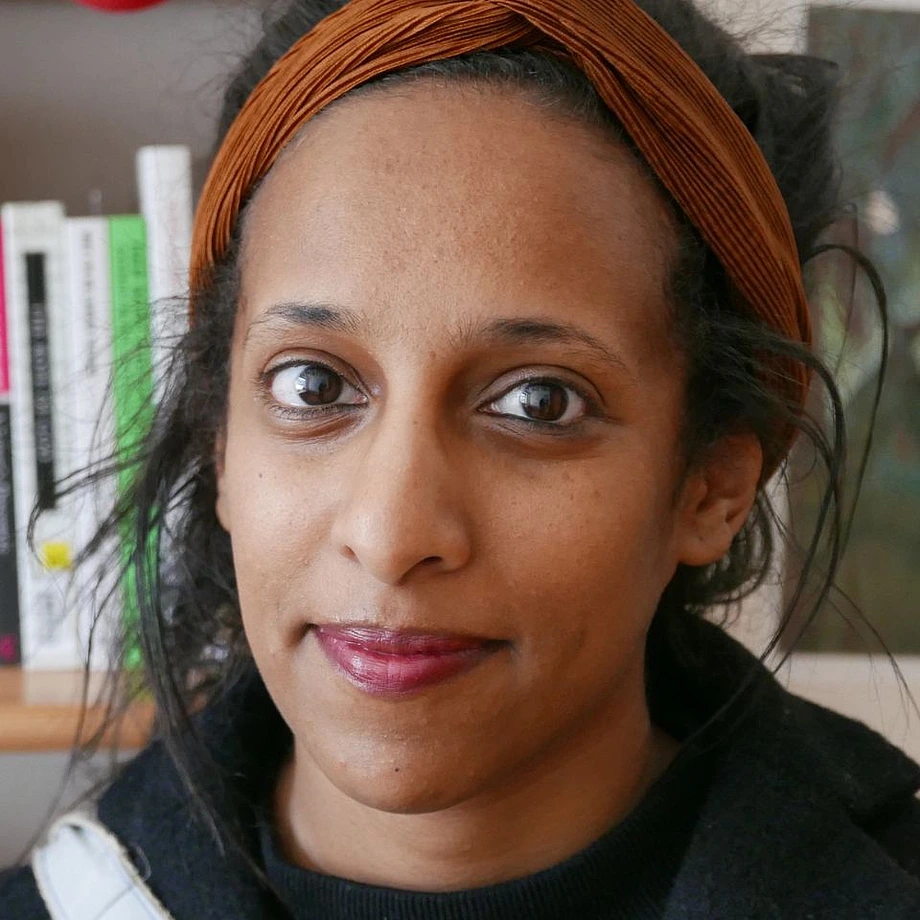
Taberez Neyazi
National University of Singapore
Technology, Politics, and Governance in Asia
[email protected]
Taberez Neyazi is interested in internet governance policies and the role of AI in content moderation, political campaigns, and decentralized governance. His research examines the evolving relationship between technology, governance, and power, contributing to broader debates on how digital infrastructures and media influence political behaviour and shape political and social dynamics across different political regimes.
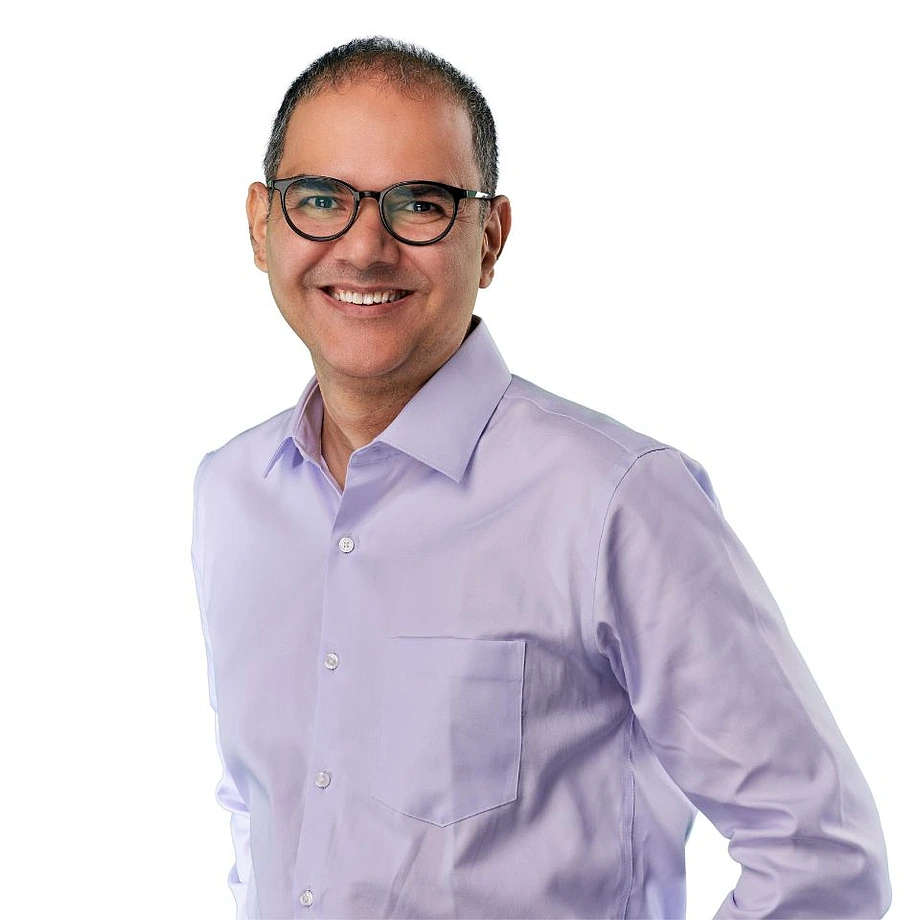
Ayesha Omer
York University
Media Studies, Anthropology, Environmental Humanities
[email protected]
Ayesha Omer studies the relationships between media technologies, political sovereignty, and the climate crisis. At IAS, she will complete a book on dust as the material residue, affective medium, and technological mediation of global networks through an ethnography of Chinese infrastructures in Pakistan's indigenous borderlands.
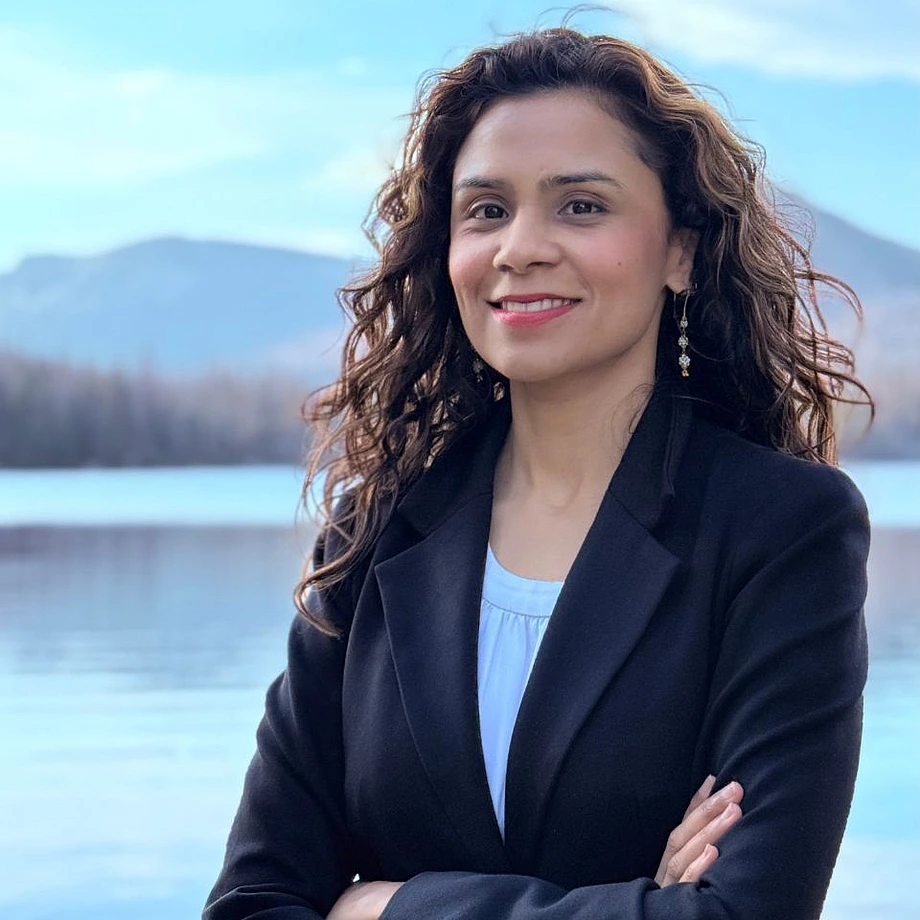
Shobita Parthasarathy
University of Michigan
Science and Technology Studies
[email protected]
Shobita Parthasarathy is a science and technology studies scholar who studies the social and political dimensions of technological innovation and innovation policy, in cross-national perspective. She is completing her 3rd book on the evolution, institutionalization, and impacts of “inclusive innovation," a type of “tech for good” that leverages innovation and the marketplace to solve global poverty and inequality. The book focuses on technologies for sanitation and menstrual health and hygiene in India.
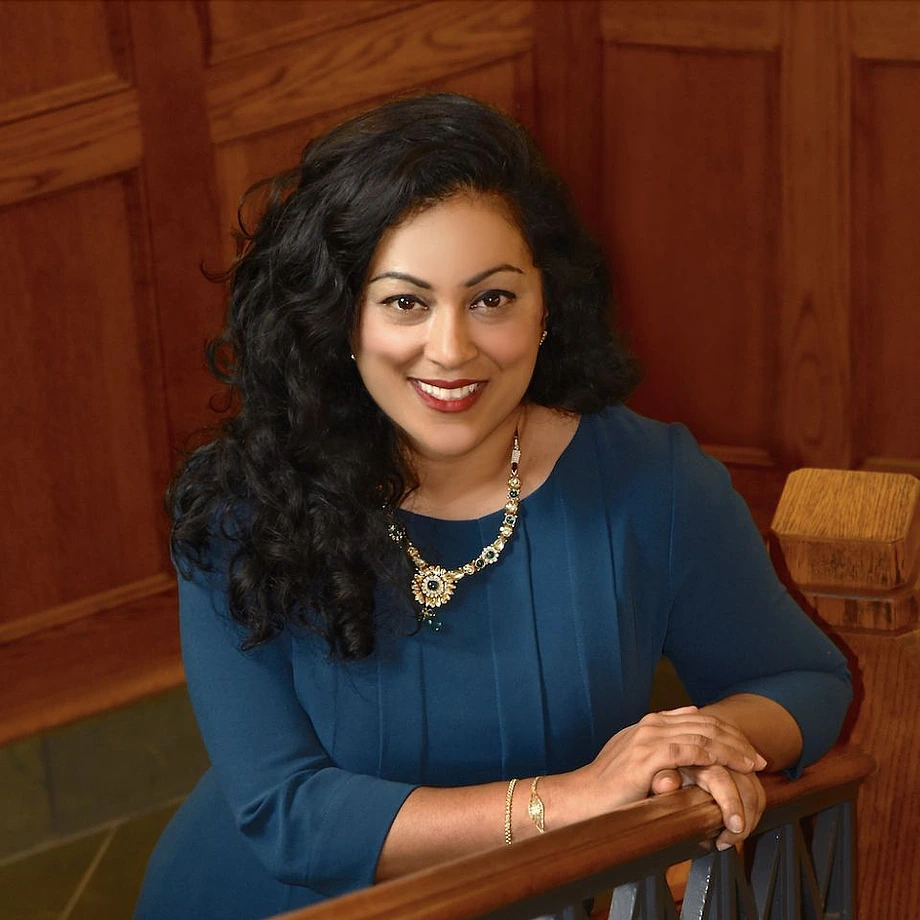
Lucas Pinheiro
Bard College
Political Theory
[email protected]
Lucas G. Pinheiro’s research is in the history of political thought and contemporary political theory, with a focus on questions of race, labor, and technology within the histories of capitalism and empire in the Atlantic world. At the IAS, he is finishing a book on the colonial origins and digital afterlives of the factory system and the ways in which the factory’s long-running, global development tells a new story about the intertwined histories of modern political thought and capitalist society.
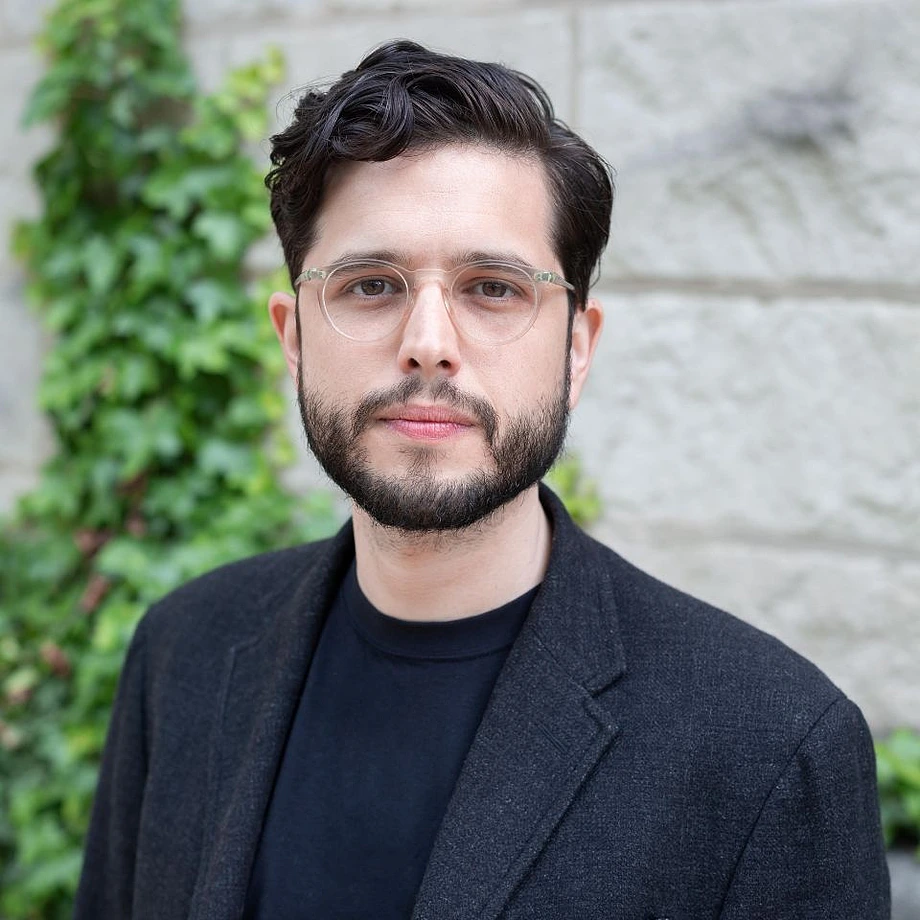
Jennifer Ponce de León
University of Pennsylvania
Latin American and American Studies
[email protected]
Jennifer S. Ponce de León is an interdisciplinary scholar who researches culture and politics in the Americas in the 20th and 21st centuries and Marxist and anticolonial thought.

Annelise Riles
Northwestern University
Law/Anthropology
[email protected]
Digital platforms have many of the qualities of transnational self-regulatory communities, akin to offshore banking systems or transnational social movements, transnational authorities that draw upon but also transcend the power of nation-states. Annelise Riles is writing a book that rethinks transnational law in light of the rise of digital platforms as new sources of global authority and considers how digital platform sociality can be reimagined for more just global futures.
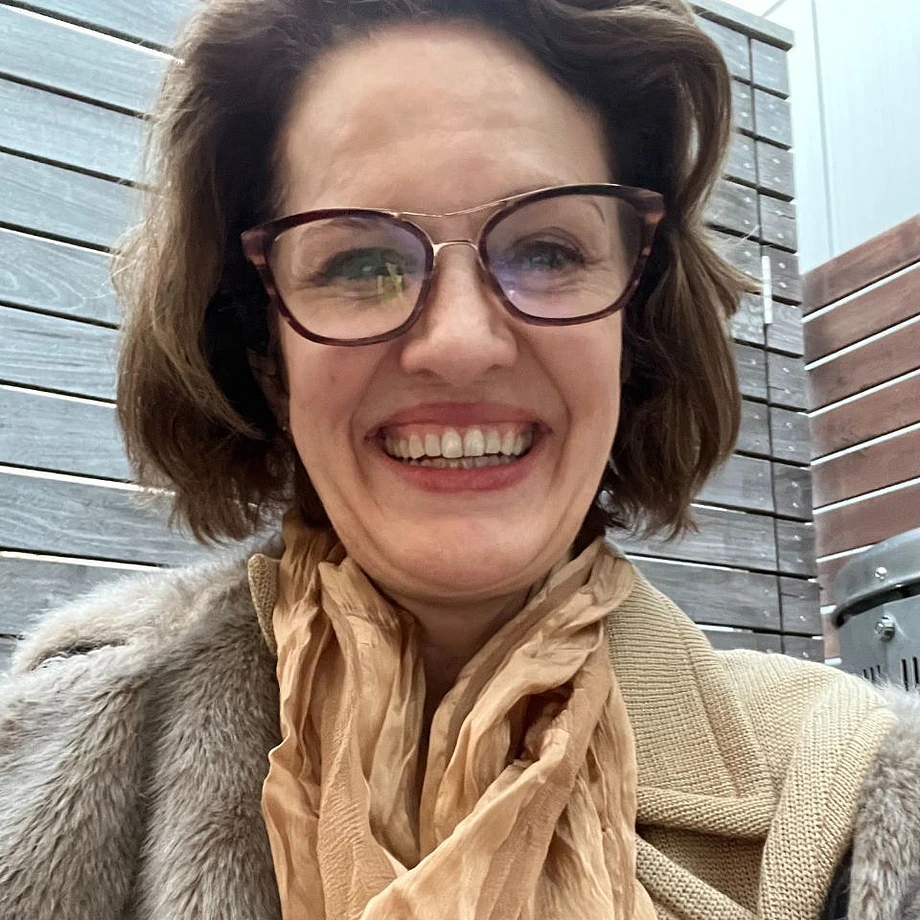
Corey Robin
Brooklyn College and the CUNY Graduate Center
Political Science
[email protected]
Corey Robin specializes in political theory and the history of political thought. He will be working on a political theory of capitalism while he is at the Institute for Advanced Study.

Diego Rossello
Term 1
Universidad Adolfo Ibañez
Political Philosophy
[email protected]
Diego Rossello explores the contribution that animal magnetism can make to contemporary ecocriticism. This theory, widely discussed and adopted by French revolutionaries, German idealist philosophers, and Gothic writers, has been recuperated by contemporary scholars in new materialism and animal studies. Emphasizing the interconnection of all forms of life, animal magnetism shares affinities with radical democratic forms of government and seeks to cultivate a harmonious relationship with nature.
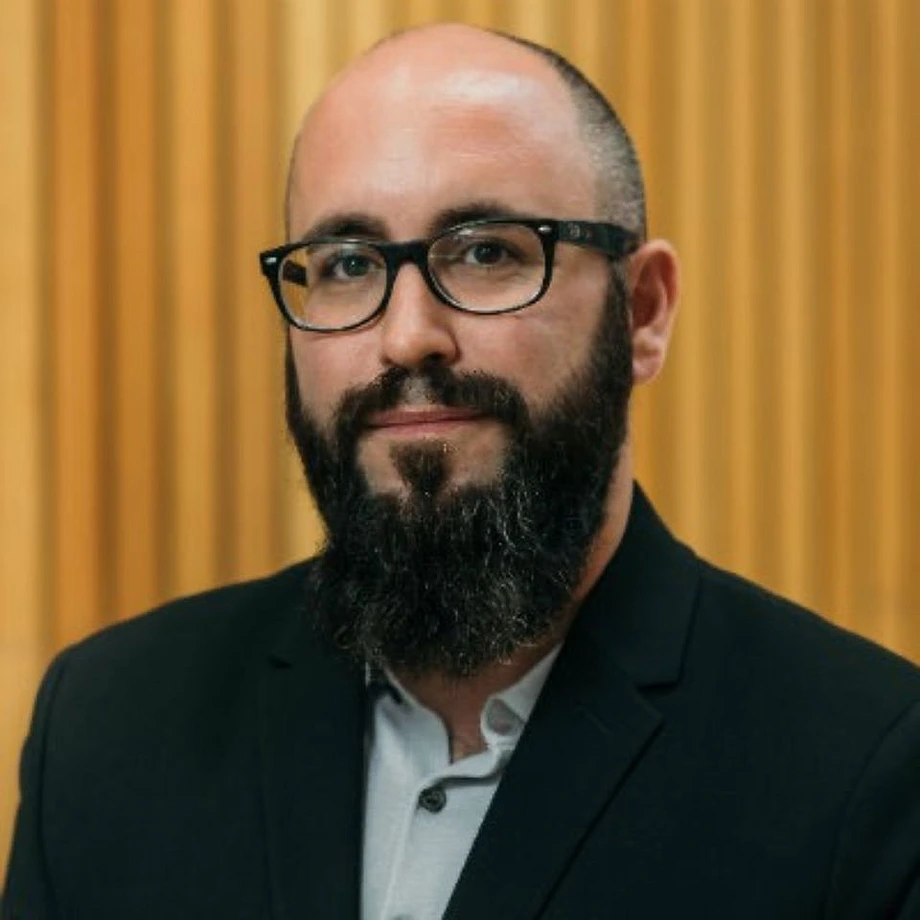
Alma Steingart
Columbia University
U.S. History, History of Science
[email protected]
Alma Steingart's research interests lie in the intersection of the history of science and U.S. political history. She is interested in the interplay between politics and mathematical rationalities. While at IAS, Steingart will be working on her book manuscript entitled Accountable Democracy: Mathematical Reasoning and Representative Democracy in America, 1920 to Now.
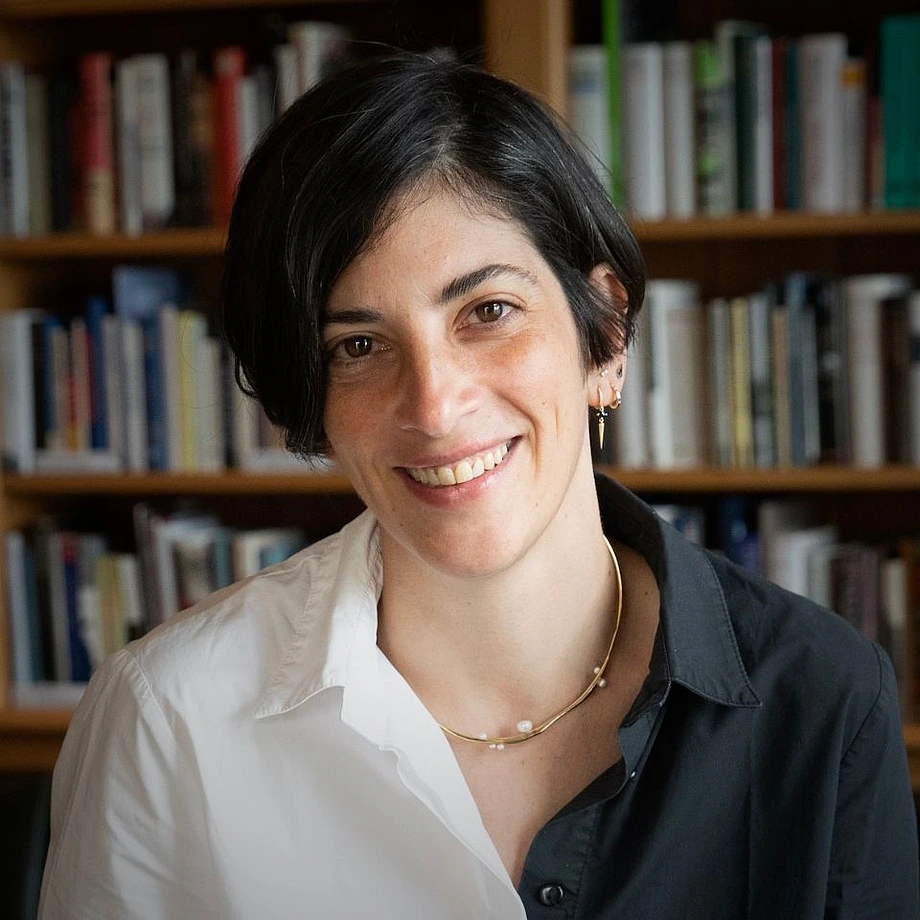
Inés Valdez
Johns Hopkins University
Latin American Marxism and Dependency Theory, Imperialism, and Racial Capitalism
[email protected]
Professor Valdez works on the political theory of empire, Latin American Marxism, and racial capitalism. At the Institute, she is working on Marxist dependency theory. A recovery of this tradition demonstrates that it has important implications for pressing issues in anti-colonial political theory. These include postcolonial democracy, the perils of rehabilitating the New International Economic Order, and the place of political economy in theorizing empire and anti-colonialism.
Miguel Vatter
Term 1
Deakin University
Political Theory
[email protected]
Miguel Vatter is a political theorist who works in the areas of history of republican political thought, biopolitics, and political theology. During his visit to the Institute he will be working on the planetary turn in political theory, and in particular on the political and legal ramifications of adopting the perspective of planetary habitability on the ecological crisis.
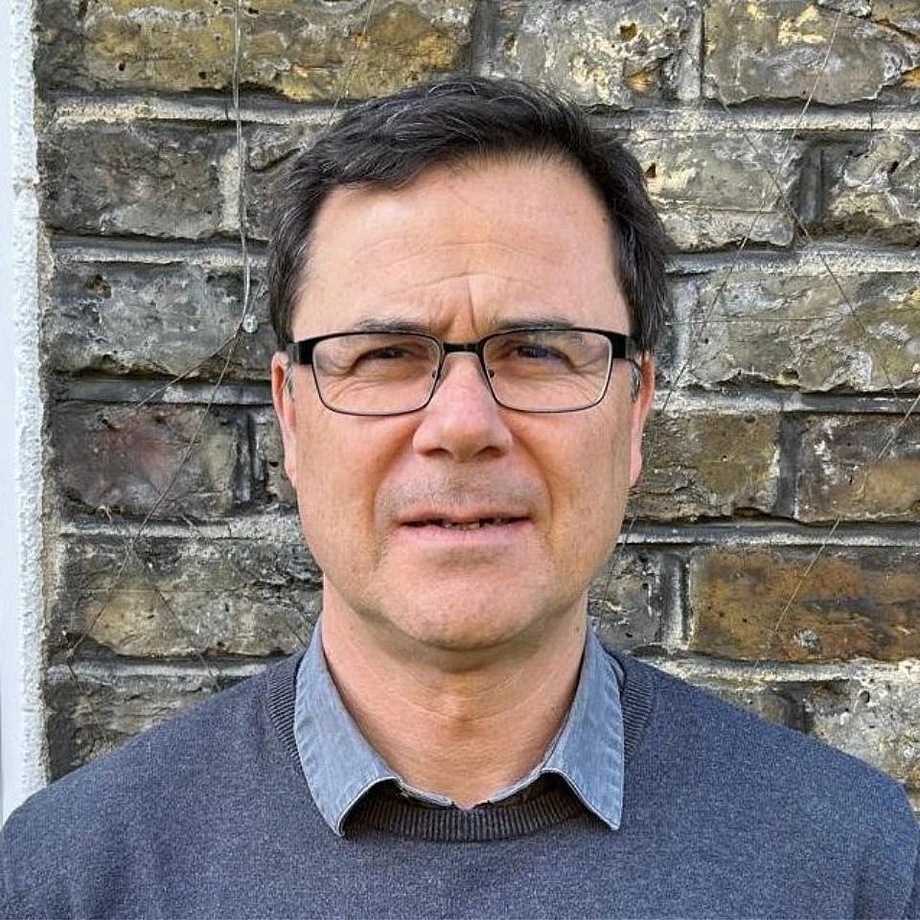
Judy Wajcman
London School of Economics
Sociology
[email protected]
Judy Wajcman’s scholarly interests encompass the sociology of work and employment, science and technology studies, gender theory, temporality, and organizational analysis. She recently completed a project at the Alan Turing Institute on Women in Data Science and AI. At the IAS, she will interrogate whether and how the gender gap in high-tech and high-finance shapes technological innovation.
Visitors
Ingrid Becker
Term 2
Bard College
Sociology
[email protected]
Ingrid Becker’s research bridges poetry and poetics, human rights, and sociology in the twentieth and twenty-first centuries. While at the IAS, she will work on a new research project about the rise of the questionnaire—a sociological technology and ubiquitous mass cultural form—in relation to the shifting status of the question in post-1945 Anglo-American poetry.
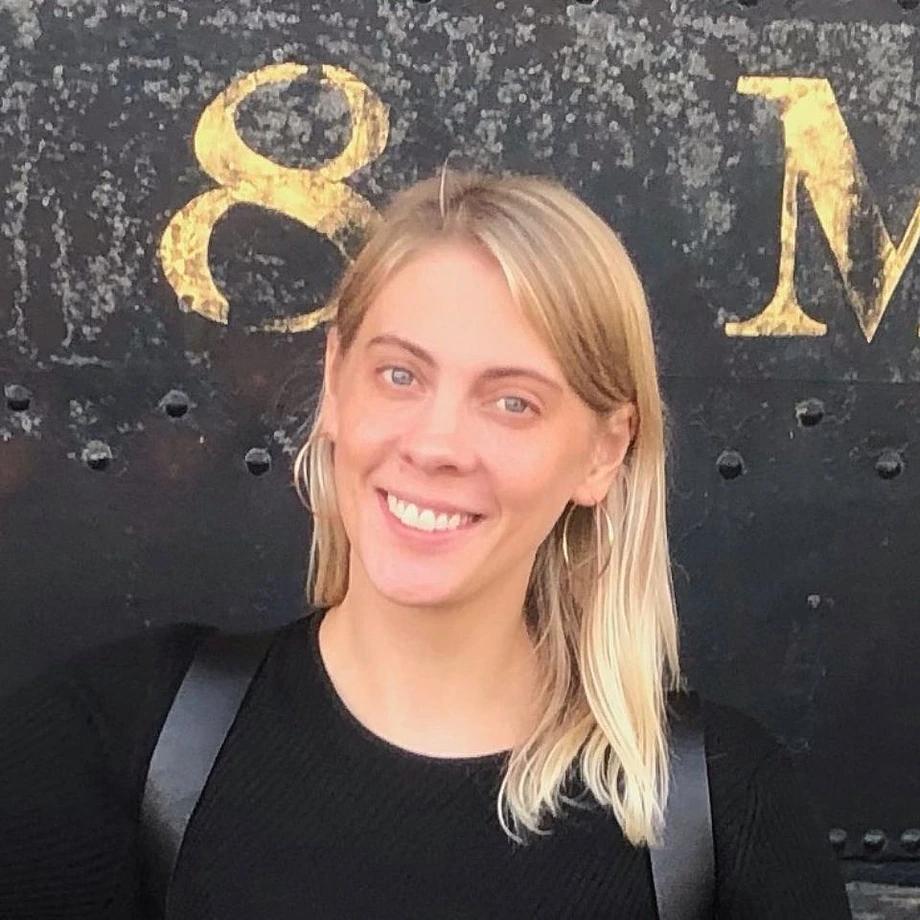
Cathy Davidson
Term 1
CUNY Graduate Center
History of Technology and AI
[email protected]
Cathy N. Davidson is investigating three past eras in the development of information technologies in the U.S. and the ways in which their creation, adoption, dissemination, and regulation can help inform current individual, community, educational, and governmental decisions about Large Language Models and Generative AI.

Anne-Claire Defossez
Institute for Advanced Study
Sociology
[email protected]
Anne-Claire Defossez is a sociologist who has been conducting a research on migration during 5 years at the border between Italy and France. Based on this ethnography her work this year will be focused on solidarity practices toward exiles and their evolution in a context of growing repressive policies.
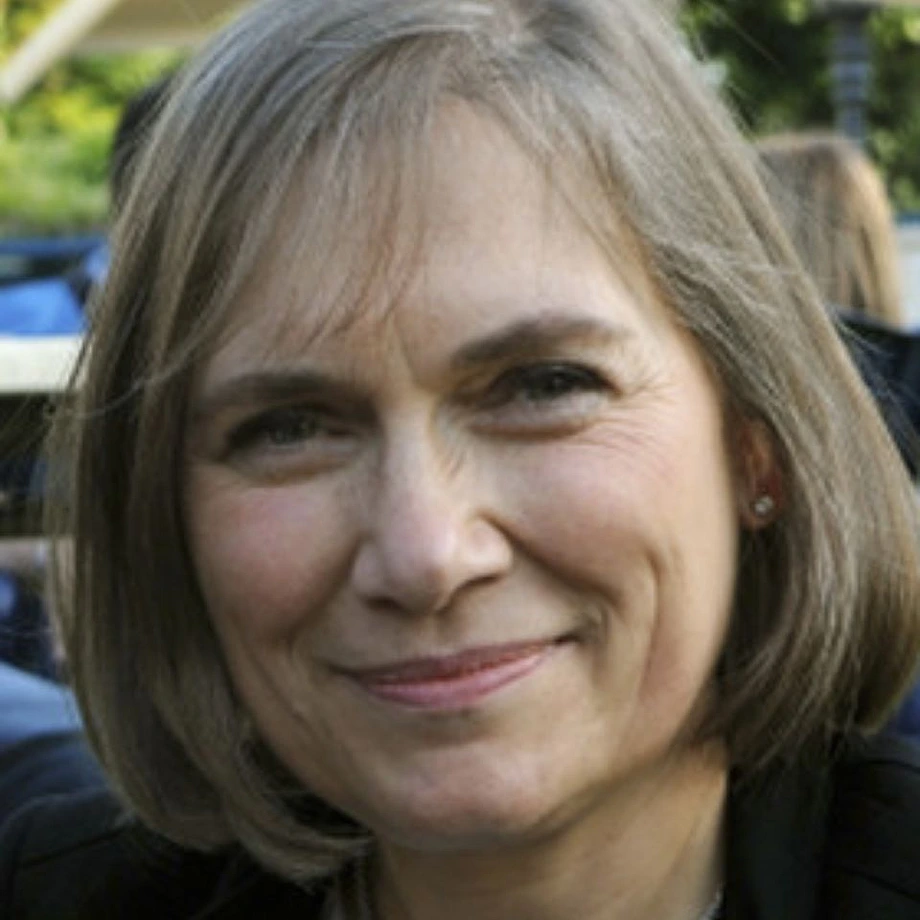
Jenny Earle
Independent Researcher
Criminology/Gender Studies
[email protected]
Jenny Earle has studied and worked on a range of women's justice issues. Her current research is focused on the adverse consequences of imprisonment for pregnant women and mothers, and will investigate policy developments and good practice in UK and USA.
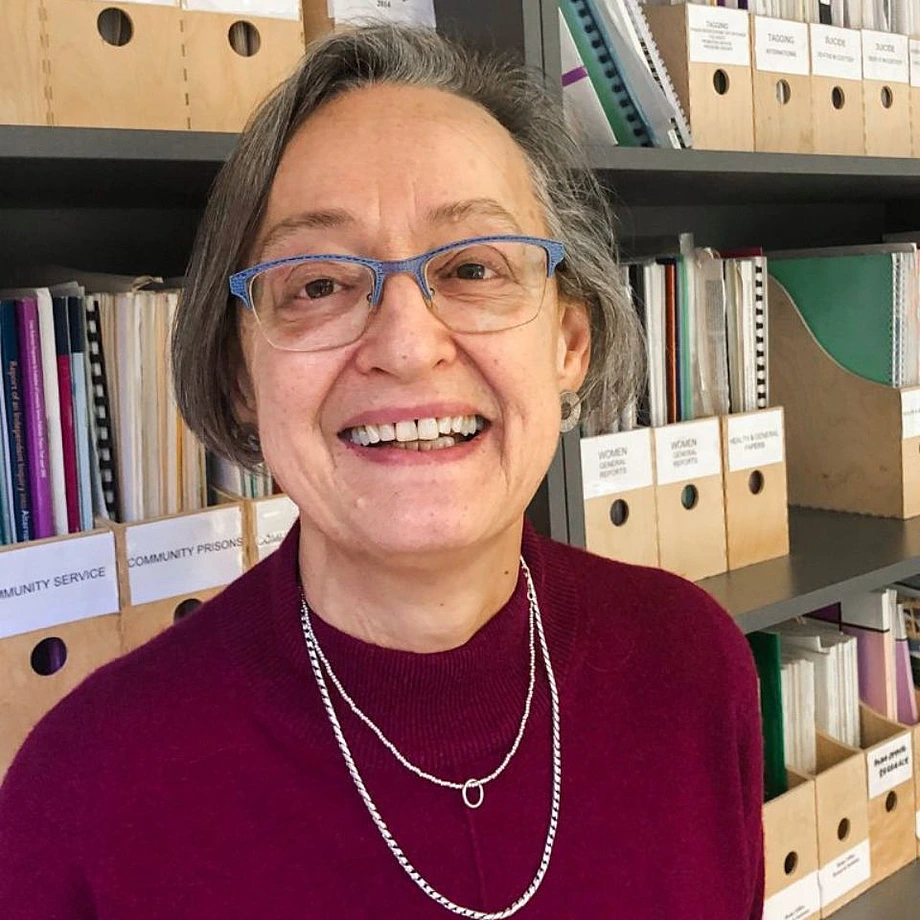
Ana Grondona
Term 2
University of Buenos Aires
History of Latin American Social Sciences and Archival Studies
[email protected]
Ana Grondona specializes in the history of Latin American social sciences and archival studies. Her research focuses on the South–North circulation of development and modernization debates during the second half of the 20th century. At IAS she will examine Gino Germani’s intellectual trajectory in the United States (1966–1979), analyzing his scholarly work, transnational academic networks, and the archival challenges posed by global intellectuals’ personal records.
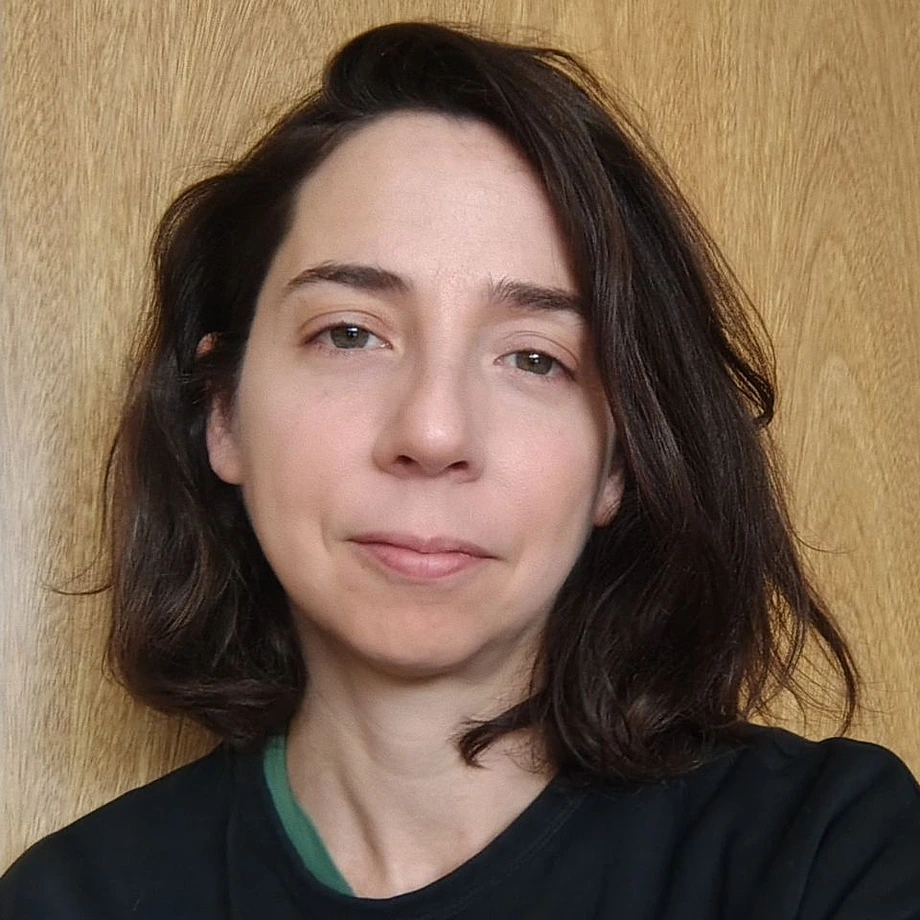
David Kazanjian
Term 2
University of Pennsylvania
Colonial Latin American Studies
[email protected]
In David Kazanjian’s book “The Trusted Ones: A Conversation and a Conflict in Colonial Yucatán,” he re-assembles the history of an enslaved Black man named Juan Patricio who fought with a Spanish priest named Don Ignacio de Esquivel over the fate of a Maya woman named Fabiana Pech in 1690 on the Yucatán peninsula. “The Trusted Ones” reveals a potent Black and Indigenous critique of both dispossession and possession.
Scott MacLochlainn
Johns Hopkins University
AI Language and Sentiment in the US/Death in the Philippines
[email protected]
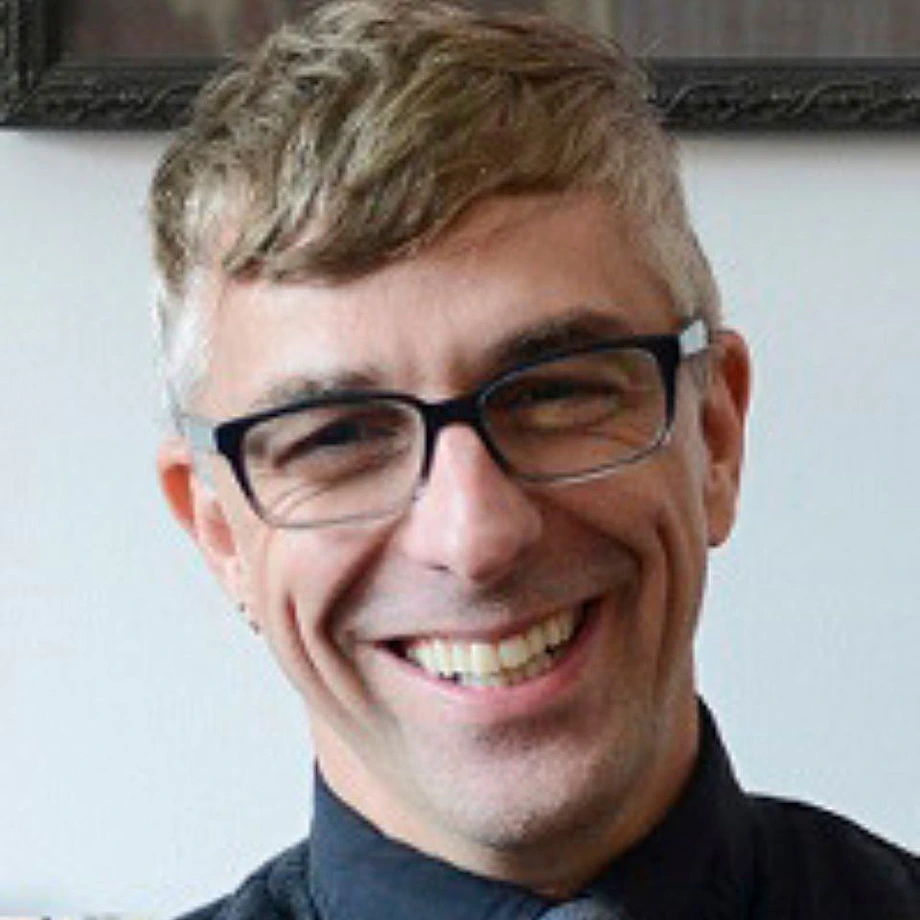
Scott MacLochlainn’s work examines new language, media, and legal formations in the Philippines, as well as in the United States and Ireland. He is currently exploring how death has been documented and recorded in the Philippines. He is also studying the relationship between AI, voice, and gesture. In particular, he is interested in how the aggregation and analysis of text and speech data is emerging as a critical site through which different actors are conceiving of how publics think, feel, and believe.
Justine Pila
University of Oxford
Law, Regulation and Technology
[email protected]
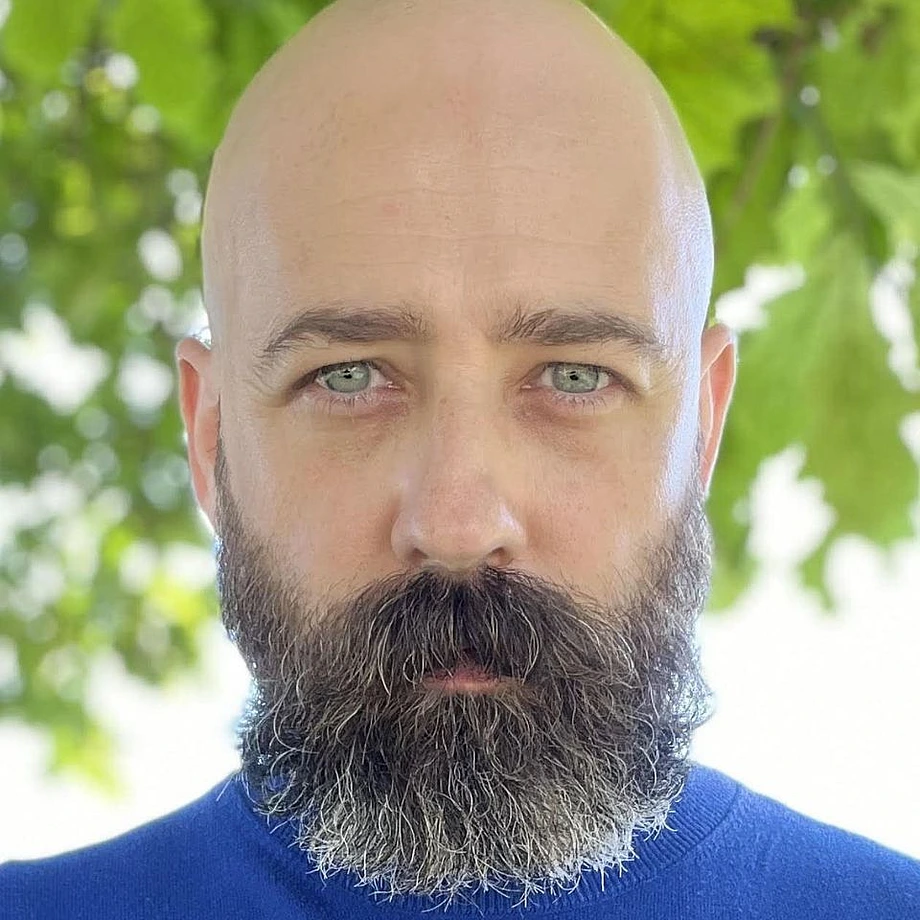
Professor Pila works in the fields of intellectual property law, and law, regulation and technology, and will use her time at the Institute to progress a monograph she is writing on law and technology for publication by OUP.
Philipp Rehm
Johns Hopkins University
Political Science
[email protected]
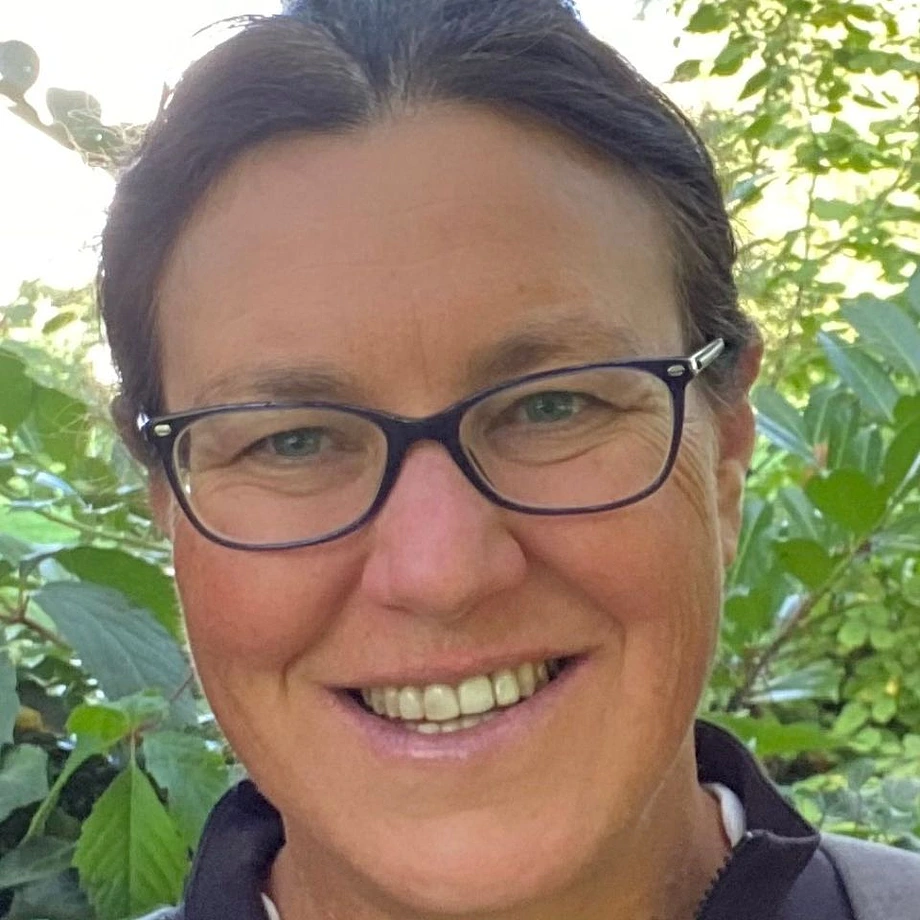
Philipp Rehm's research is in comparative politics, with a focus on social policy and political behavior in wealthy democracies.
Ravideep Sethi
Term 2
University of Utah
Economics
[email protected]
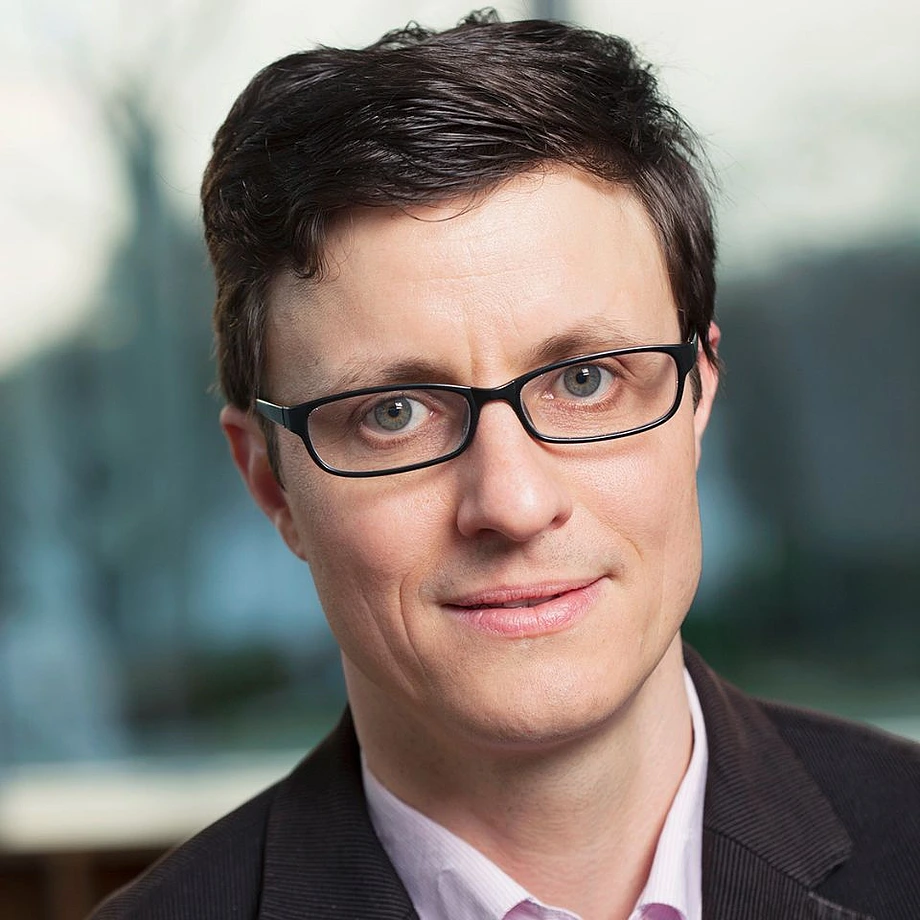
Professor Sethi is an applied microeconomic theorist and experimental economist. He uses the tools of information economics and non-cooperative bargaining to study topics in political economy and organizational economics.
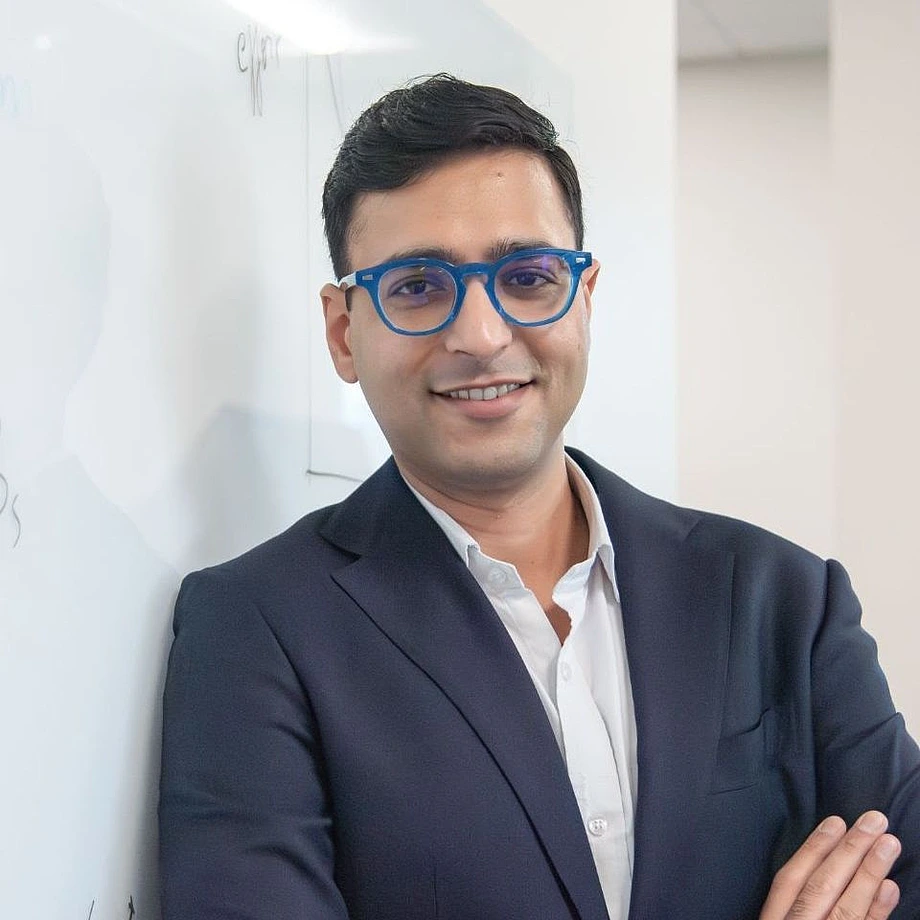
Julieta Suárez-Cao
Term 1
Pontifical Catholic University of Chile
Comparative Politics
[email protected]
At IAS, Julieta will advance research on governance, gender, and political crisis in Latin America. Her research employs mixed-methods and comparative approaches, combining historical analysis, electoral data, public opinion surveys, and in-depth interviews.

Research Associates - Science, Technology, and Social Values Lab
Carina Albrecht's research focuses on critical studies of the technical models that shape the web and artificial intelligence. Her work in the ST&SV Lab focuses on Sociotechnical Imaginaries and Narratives of AI (SINAI). She is interested in "data fluencies," combining humanistic work with data science to express, imagine, and create innovative and sustainable engagements with our data-filled world.
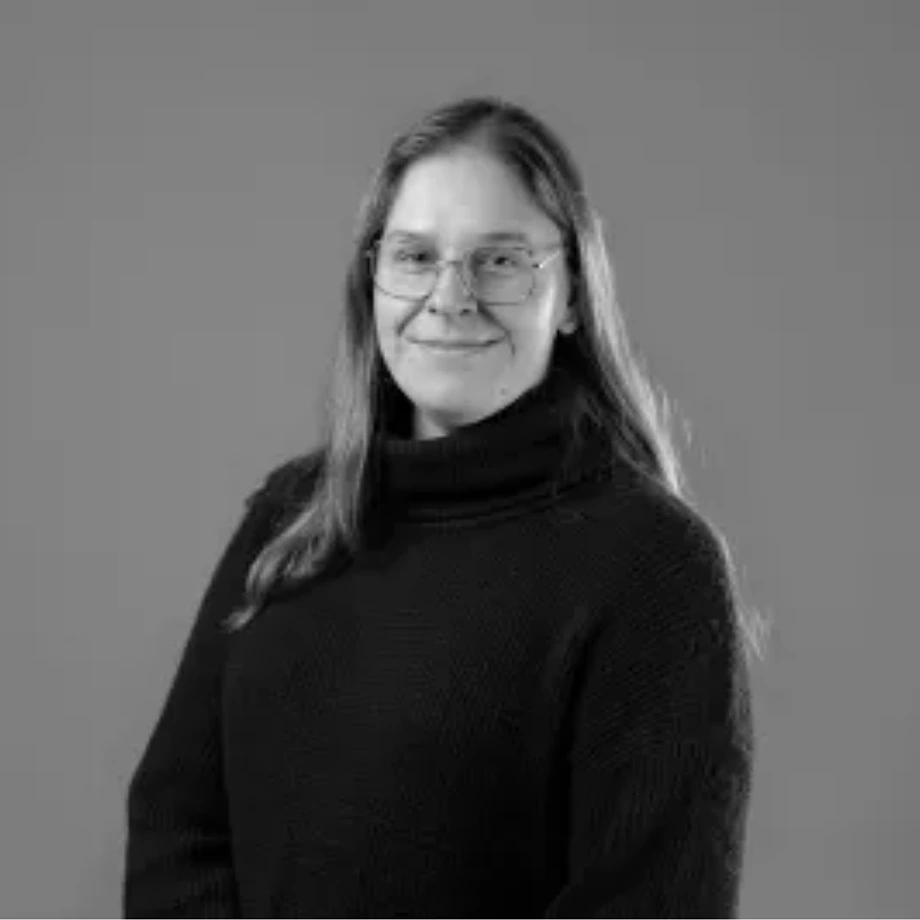
Tatiana Carayannis
Global Affairs and Technology Advisor
International Relations, Global Governance, Emerging Technology, Violent Conflict, Research Ethics
A leading scholar of international organizations, global governance, and violent conflict in Central Africa, Tatiana is currently working on the geopolitics of AI and critical minerals supply chains. Previously, she served as program director at the Social Science Research Council and has had visiting appointments at LSE and NYU.
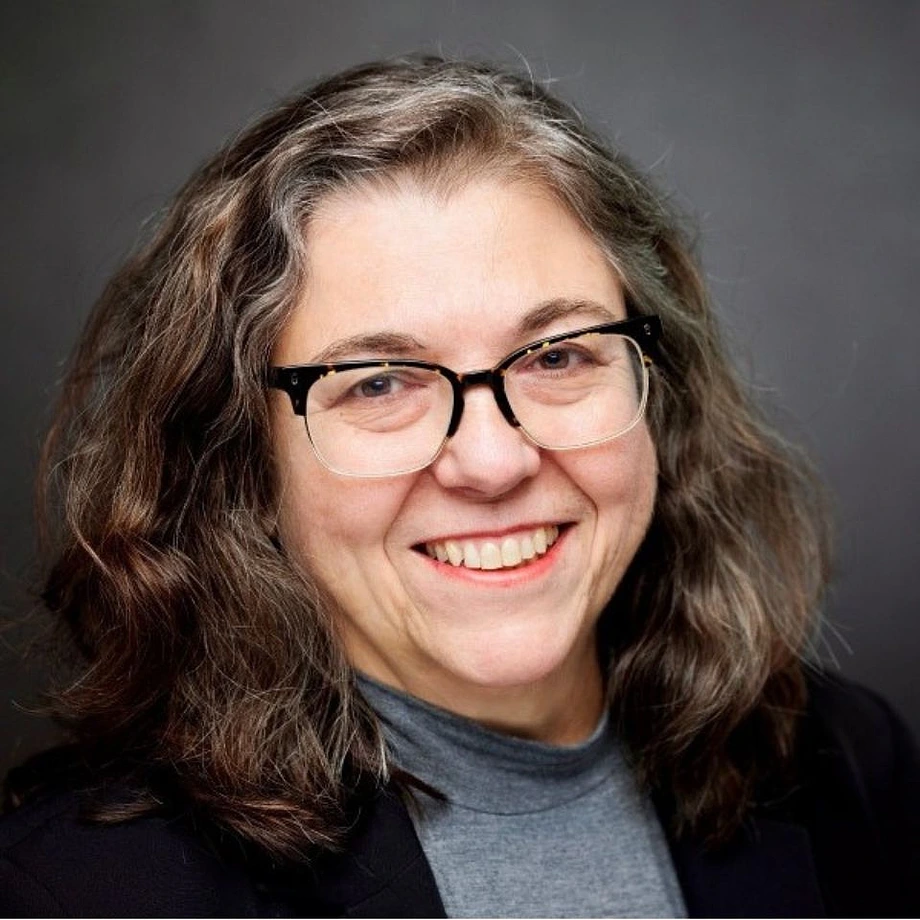
Christine Custis
Science, Technology, and Social Values Lab Manager
Ethical and Responsible AI Innovation
[email protected]
Christine Custis is a Research Associate and Program Manager for the Science, Technology, and Social Values Lab. A computer scientist and organizational strategist whose work has spanned industry, civil society, and academia, Dr. Custis has more than two decades of experience in the development and governance of emerging science and technology. She previously served as Director of Programs and Research at the Partnership on AI. At IAS, she collaborates with Alondra Nelson on multidisciplinary research and policy initiatives examining the social implications of AI, genomics, and quantum science.